


Uptake of newer insulin products increased from 2016 to 2020 for ambulatory use in U.S. adults with type 2 diabetes
MONDAY, Oct. 18, 2021 (HealthDay News) — Insulin analogs and insulin pen delivery devices remained dominant for ambulatory insulin use for U.S. adults with type 2 diabetes from 2016 to 2020, according to a study published online Oct. 12 in JAMA Network Open.
Sudipa Sarkar, M.D., from the Johns Hopkins University School of Medicine in Baltimore, and colleagues used IQVIA’s National Disease and Therapeutic Index to assess trends in ambulatory insulin use among U.S. adults with type 2 diabetes from 2016 through 2020.
The researchers found that insulin glargine was the most frequently used insulin, accounting for approximately half of treatment visits (2020: 2.6 million of 4.9 million visits). Long-acting insulin accounted for approximately two-thirds of treatment visits during this period. There was an increase in treatment visits for insulin pens (from 36.1 percent in 2016 to 58.7 percent in 2020). Parallel declines were seen for use of insulin vials/syringes. Across all years, analog insulin use dominated and accounted for more than 80 percent of total treatment visits. Over time, there were increases in the use of newer insulins (from 18.1 percent of total treatment visits in 2016 to 40.9 percent in 2020). Use of biosimilar insulin, which was first approved in 2015, increased from 2.6 percent of total insulin treatment visits in 2017 to 8.2 percent in 2020.
“These findings suggest that even with increased costs and scrutiny for insulin products, ambulatory use remains dominated by the use of insulin analogs and insulin pen delivery devices, with persistent uptake of newer products as they are approved,” the authors write.
.jpg) Pregnancy Complications Linked to Subsequent Risk for Cardiometabolic-Renal Conditions
Pregnancy Complications Linked to Subsequent Risk for Cardiometabolic-Renal Conditions  GLP-1 Receptor Agonists, SGLT-2is Slow Renal Function Decline in T2D With Albuminuria
 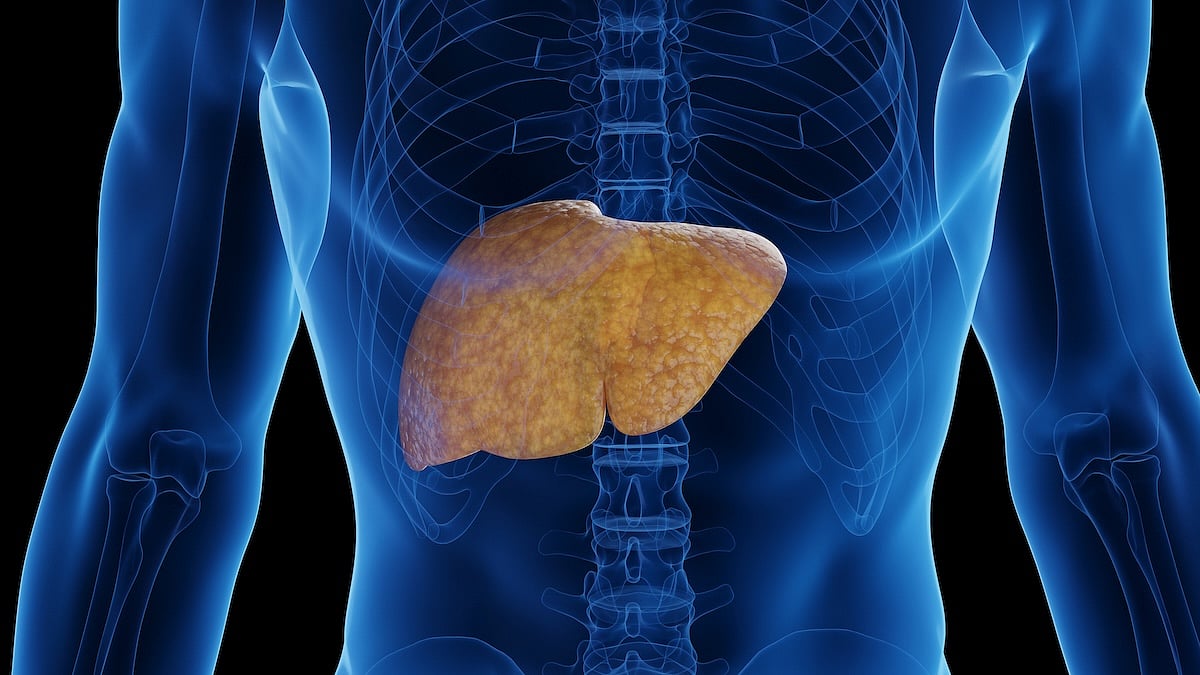 Genetics, Diabetes Tied to MASLD-Associated Cirrhosis Before Age 50
 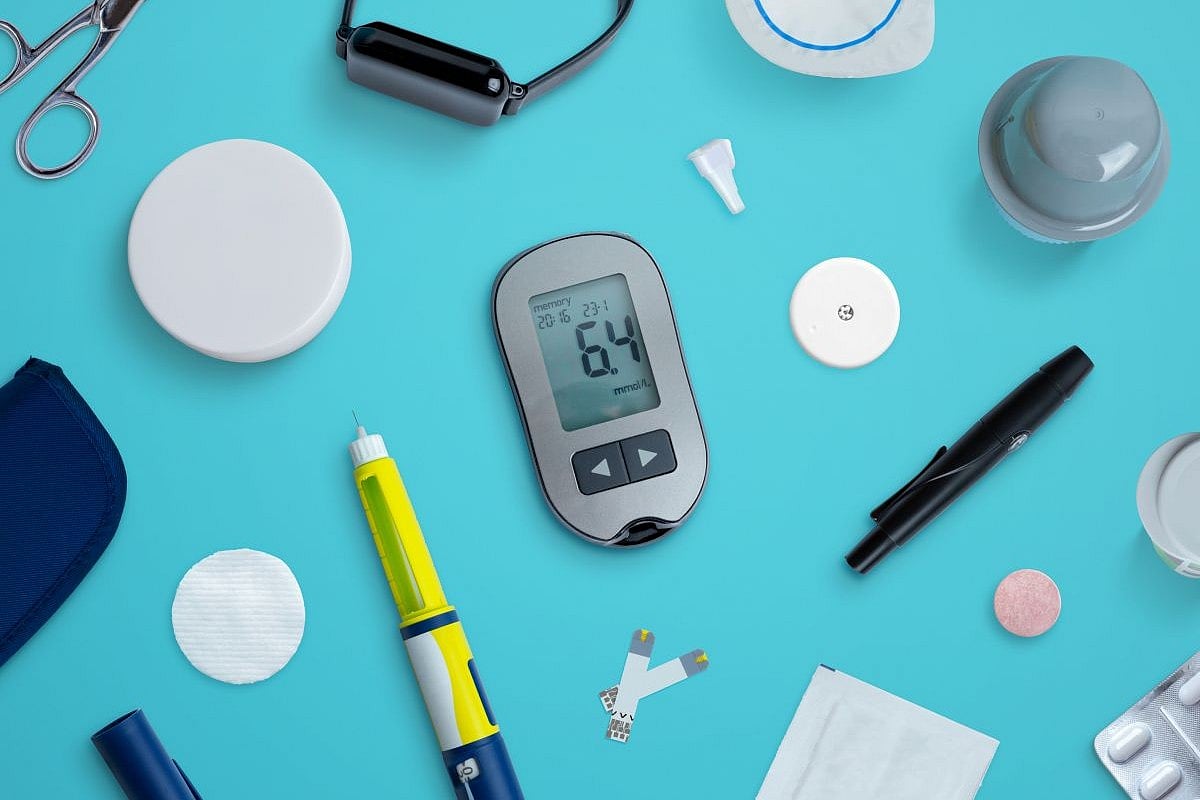 Study IDs Risk Factors for Ketoacidosis in Adults With T2D Receiving SGLT2 Inhibitors
  Drug Interactions Reducing Contraceptive Effectiveness Common in Epilepsy
 .jpg) Most Specialty Oral Anticancer Meds for Blood Cancers Are Initially Rejected by Insurers
Most Specialty Oral Anticancer Meds for Blood Cancers Are Initially Rejected by Insurers  1 in 3 With Lupus Take Supplements, Medications With Potential for Interactions
  Holding DMARDs at Time of COVID-19 Vaccine Not Warranted in Those With Inflammatory Arthritis


