


Parental and infant ampicillin resistant enterobacterales colonization was 91 and 76 percent
TUESDAY, Feb. 24, 2026 (HealthDay News) — A considerable proportion of pregnant women are colonized with enterobacterales with ampicillin (AmpR-E) and ceftriaxone resistance (CefR-E) in the United States, according to a study published in the January issue of the Open Forum Infectious Diseases.
Leena B. Mithal, M.D., from the Ann and Robert H. Lurie Children”s Hospital in Chicago, and colleagues estimated the rate of gut colonization of AmpR-E and CefR-E in healthy birthing parent-infant dyads in Chicago and examined the genetic characteristics of CefR-E in pregnant women anticipating vaginal birth from two hospitals. Overall, 293 parent and 261 infant samples were collected from the dyads.
The researchers found that parental and infant AmpR-E colonization was 91 and 76 percent, respectively, while the rate of parental and infant CefR-E colonization was 12 and 7 percent, respectively. Estimated perinatal CefR-E transmission was 17 percent. The only clinical variable significantly associated with parental CefR-E colonization was race (higher for Asians, lower for White race). Significant associations were seen for birthing parent age and type of infant nutrition (breastmilk) with decreased infant AmpR-E colonization. Based on whole-genome sequencing, 38 percent of the CefR-E isolates were Escherichia coli.
“Our finding that healthy pregnant people had a significant burden of these bacteria was surprising, as it was a much higher percentage than previously reported for high-income countries,” Mithal said in a statement. “It shows that this is truly a global problem with potential adverse impacts to neonatal health.”
 Low Levels of Placental Growth Factor in Pregnancy Linked to Subsequent ADHD in Offspring
  Recommendations Issued for Use of Incretin-Based Meds in Pregnancy
  IBD Not Linked to Risk for Hypertensive Disorders of Pregnancy Overall
  Maternal Vitamin D Status Linked to Preterm Delivery
  Serum 25(OH)D May Serve as Biomarker of Disease Activity in IBD
 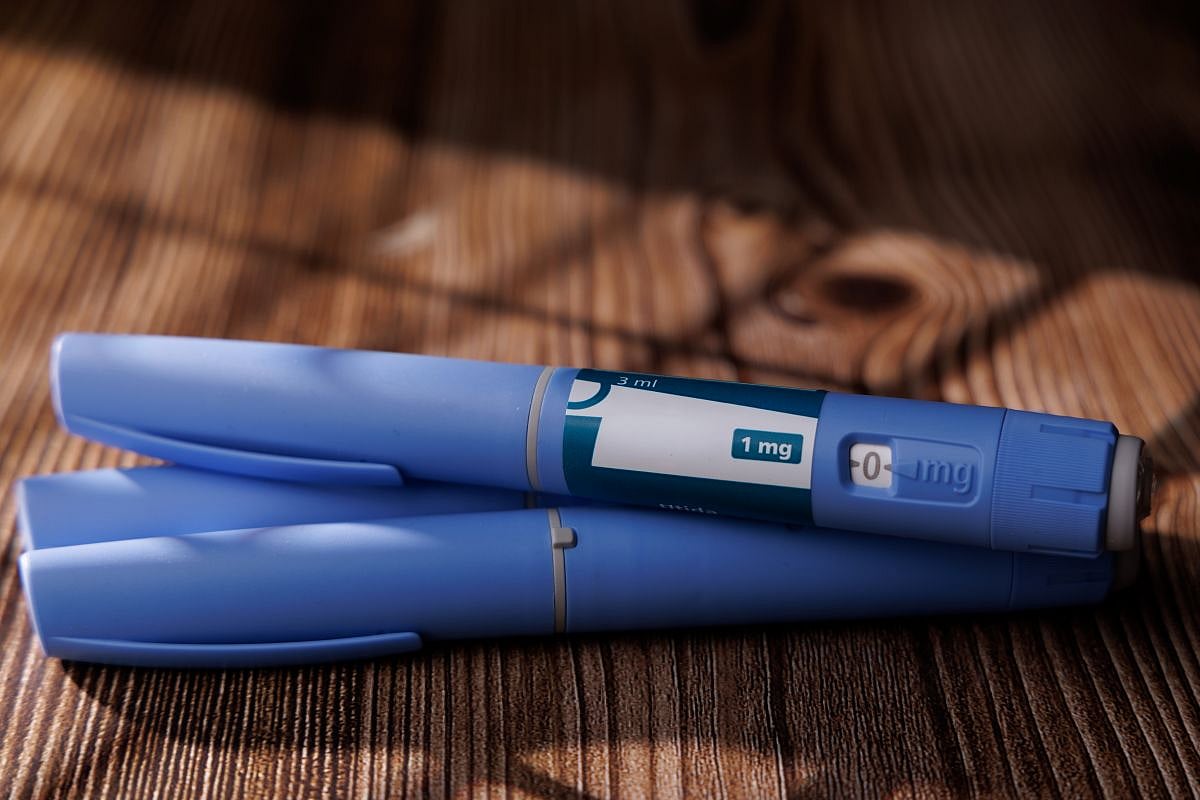 Nutritional Deficiencies Seen in Youth Taking GLP-1 Receptor Agonists
  Mom"s Poor Sleep in Late Pregnancy Linked to Offspring"s Obesity Risk in Early Childhood



.jpg)
