



Patients with low disease activity using app-assisted patient-initiated care had fewer consultations with rheumatologists
FRIDAY, Aug. 12, 2022 (HealthDay News) — Patient-initiated care supported with smartphone self-monitoring is noninferior to usual care for rheumatoid arthritis (RA) in patients with stable low disease activity, according to a study published online July 11 in Arthritis & Rheumatology.
Bart Seppen, M.D., from Reade Rheumatology in Amsterdam, and colleagues assessed the safety and efficacy of a smartphone app for patients with RA, which allows them to self-monitor their disease activity in between clinic visits. The analysis included 102 patients randomly assigned to either app-supported patient-initiated care with a scheduled follow-up consultation after a year (app group) or usual care.
The researchers found that after a year, noninferiority of the disease activity score 28 (DAS-28) was established with the mean ΔDAS-28 between the groups within the noninferiority limit: −0.04 in favor of the app group (95 percent confidence interval, −0.39 to 0.30). In the app group, the number of rheumatologist consultations was significantly lower (visit ratio: 0.62; 95 percent confidence interval, 0.47 to 0.81).
“Our results show that [it] is possible to optimize RA health care delivery by letting patients initiate consultations and self-monitor their disease,” the authors write. “Our intervention strategy may reduce the workforce that is needed per RA patient and could therefore decrease health care costs per patient, which will be evaluated in a separate analysis.”
Abstract/Full Text (subscription or payment may be required)
 Holding DMARDs at Time of COVID-19 Vaccine Not Warranted in Those With Inflammatory Arthritis
  Rheumatic Immune-Related AEs With Immune Checkpoint Inhibitors More Severe Than Previously Reported
 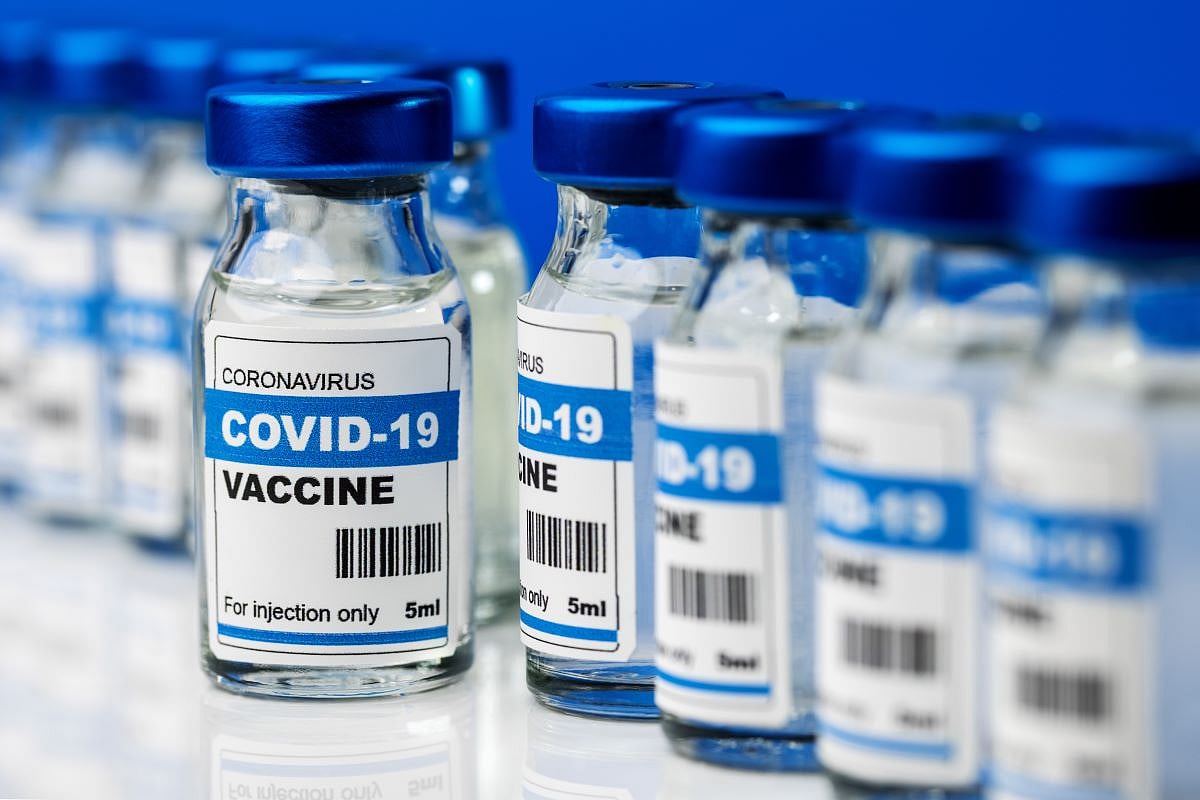 Updated COVID-19 Shot Beneficial for Those With Autoimmune Rheumatic Disease
  Distinct Characteristics ID"d for Patients With Rheumatoid Conditions, Opioid Use Disorder
  Withdrawal From Medetomidine Increasingly Seen in ICUs
  1 in 3 With Lupus Take Supplements, Medications With Potential for Interactions
 .jpg) Considerable Gaps Reported in Care for Youth With Opioid Use Disorder
Considerable Gaps Reported in Care for Youth With Opioid Use Disorder  Low Hydroxychloroquine Intake, Blood Levels Linked to ASCVD Risk in Lupus




.jpg)