


Findings seen regardless of the presence or absence of other evaluated risk factors
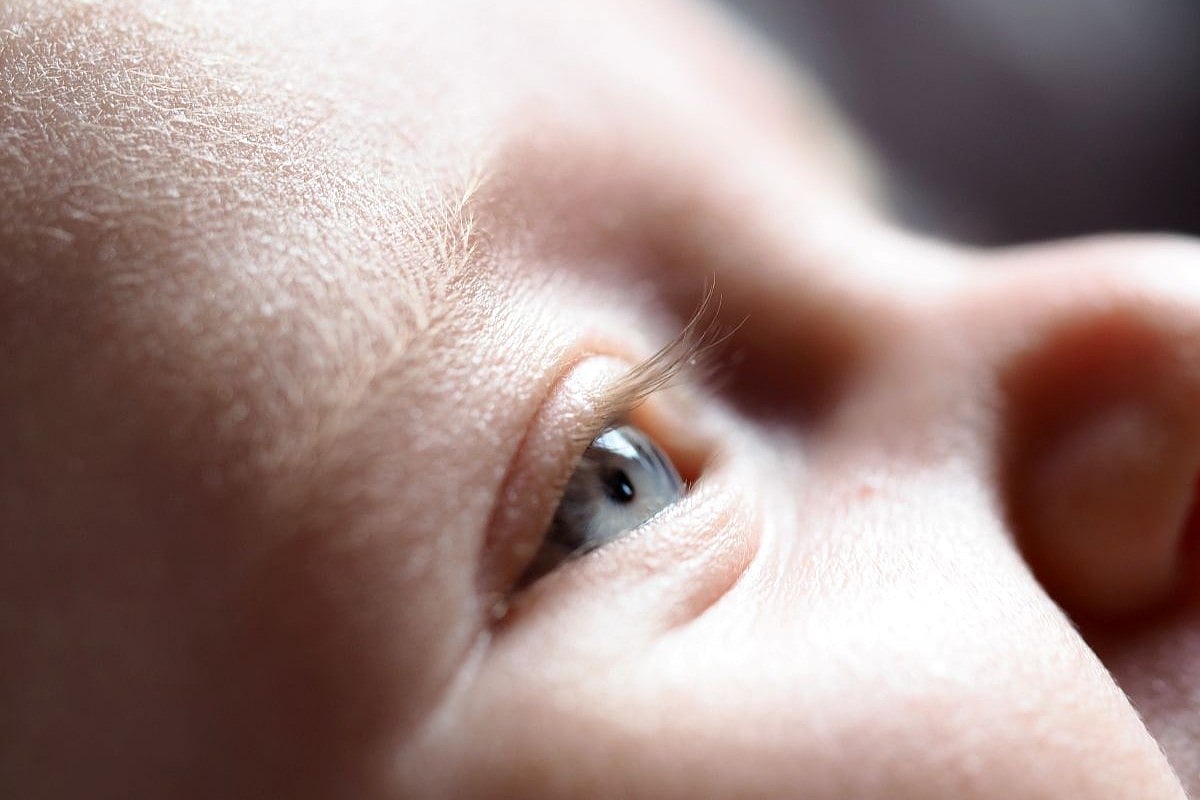
TUESDAY, Feb. 3, 2026 (HealthDay News) — Arachidonic acid (AA) and docosahexaenoic acid (DHA) decrease the risk for severe retinopathy of prematurity (ROP) in extremely preterm infants by nearly half, according to a research letter published online Jan. 29 in JAMA Ophthalmology.
Pia Lundgren, M.D., Ph.D., from The Sahlgrenska Academy at the University of Gothenburg in Sweden, and colleagues examined which risk factors were influenced by AA and DHA and their association with severe ROP. The analysis included 177 infants (gestational age, <28 weeks) born between Dec. 15, 2016, and Aug. 7, 2019, participating in a trial in which half were randomly assigned to receive enteral supplementation with AA (100 mg/kg/day) and DHA (50 mg/kg/day), in addition to standard care, from birth until term-equivalent age.
The researchers found that severe ROP occurred in 37 percent of infants receiving standard care (34 of 93) versus 19 percent of those receiving AA and DHA (16 of 84; risk ratio [RR], 0.52). Other morbidities were similar between the groups. No safety issues were reported with supplementation. The risk ratios of potential risk factors for ROP varied from 1.49 to 8.86. Severe ROP was associated with the following risk factors: thrombocytopenia (RR, 2.40), hyperglycemia (RR, 5.83), patent ductus arteriosus (RR, 2.51), parenteral nutrition for ≥14 days in the first month of life (RR, 8.86), and necrotizing enterocolitis (RR, 2.22). Infants who received AA and DHA, regardless of presence of evaluated risk factors, had a lessened overall risk for severe ROP (RR, 0.52).
“Our findings highlight the potential importance of AA and DHA for extremely preterm infants to reduce the incidence of severe ROP and preserve vision development,” the authors write.
Abstract/Full Text (subscription or payment may be required)
 1 in 3 With Lupus Take Supplements, Medications With Potential for Interactions
  Maternal Vitamin D Status Linked to Preterm Delivery
  2009 to 2023 Saw Surge in Probiotic Supplement Use
  Dexamethasone Eye Drops Can Reduce Progression to ROP Requiring Treatment
  Ambient Temperature Linked to Intraocular Pressure in Glaucoma
  Very Preterm Birth, Very Low Birth Weight Linked to Lower Positive Functioning in Early Adulthood
  Plasmapheresis Linked to Improved Outcomes for MOGAD Attacks
  Novel Treatment Regimen Promising for Diabetic Macular Edema




.jpg)