


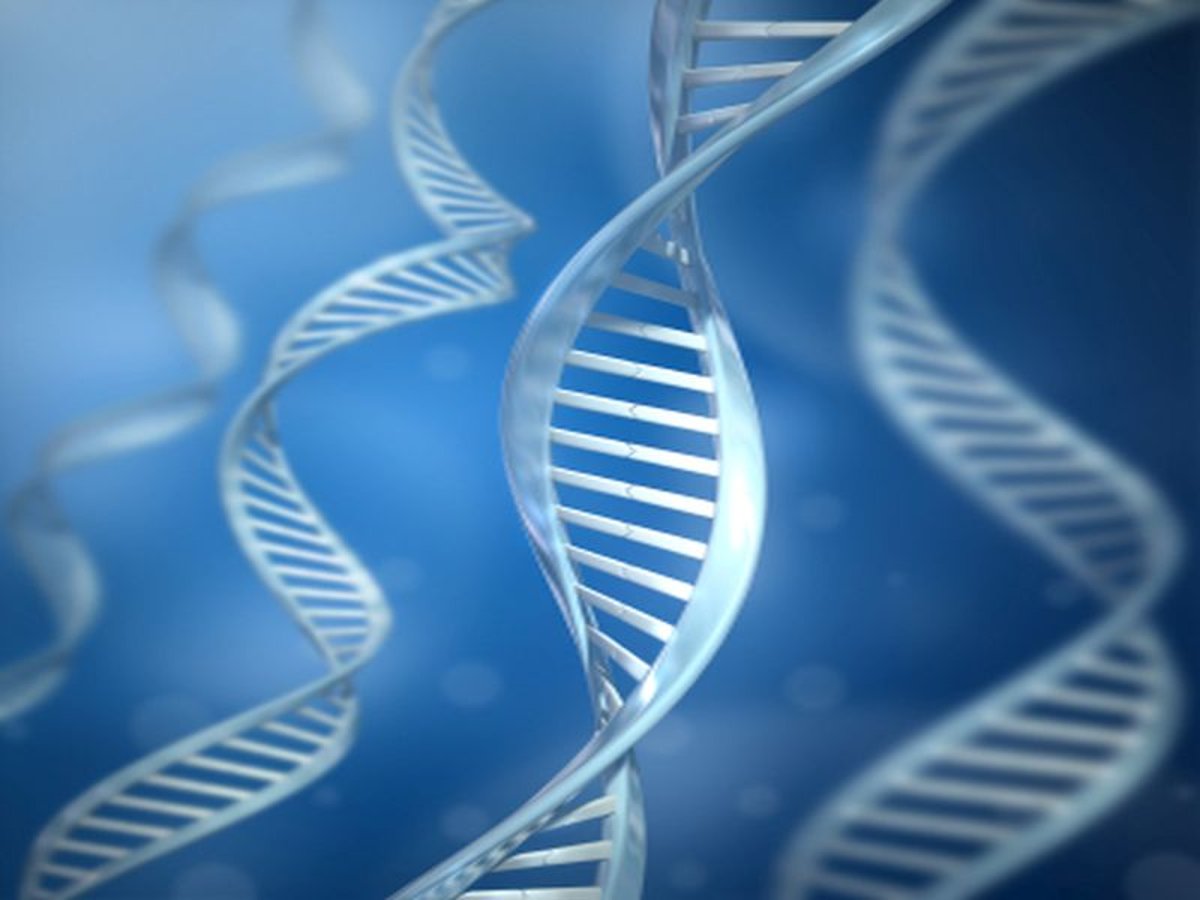
Total hemoglobin, fetal Hb increased in seven patients with transfusion-dependent ß-thalassemia, three with sickle cell disease
THURSDAY, Dec. 10, 2020 (HealthDay News) — Use of the ex vivo CRISPR-Cas9-based gene-editing platform to edit the erythroid enhancer region of BCL11A in hematopoietic stem and progenitor cells, producing CTX001, results in increased hemoglobin (Hb) among patients with transfusion-dependent ß-thalassemia (TDT) and sickle cell disease (SCD), according to a study published online Dec. 5 in the New England Journal of Medicine to coincide with the annual meeting of the American Society of Hematology, held virtually from Dec. 5 to 8.
Haydar Frangoul, M.D., from the Sarah Cannon Center for Blood Cancer at the Children’s Hospital at TriStar Centennial in Nashville, Tennessee, and colleagues presented safety and efficacy results from patients with at least three months of follow-up from two first-in-human studies of CTX001 for TDT and SCD. Data were included for seven patients with TDT and three with SCD.
The researchers found increases in total Hb and fetal Hb among all patients over time. Patients with TDT stopped receiving packed red blood cell transfusions soon after CTX001 infusion; the first patients with TDT who received CTX001 remained transfusion-free for more than 15 months. Since CTX001 infusion, the patients with SCD have had no vaso-occlusive crises (VOCs); the first patient to receive CTX001 remained VOC-free for more than one year. The safety profile after CTX001 infusion was generally consistent with busulfan myeloablation in all 10 patients. One patient with TDT had four serious adverse events related or possibly related to CTX001.
“By gene editing the patient’s own stem cells we may have the potential to make this therapy an option for many patients facing these blood diseases,” Frangoul said in a statement.
Several authors disclosed financial ties to pharmaceutical companies, including CRISPR Therapeutics and Vertex Pharmaceuticals, which sponsored the trial.
 Gene Mutation Identified That Increases Lung Cancer Risk
 .jpg) Mortality Lowest at Hemoglobin Concentrations Above WHO Thresholds
Mortality Lowest at Hemoglobin Concentrations Above WHO Thresholds  Oral Vitamin C Active in Clonal Cytopenia of Undetermined Significance
  Genetics, Diabetes Tied to MASLD-Associated Cirrhosis Before Age 50
  GLP-1 Receptor Agonists, SGLT-2is Slow Renal Function Decline in T2D With Albuminuria
  Steatotic Liver Disease Risk Scores Compared for Predicting Cirrhosis
  Cirrhosis Can Recur After Liver Transplant
  Family History of CRC Increases CRC Risk Similarly in IBD, General Population


.jpg)

