


 Serious neurological illnesses have led the company to halt its trials twice
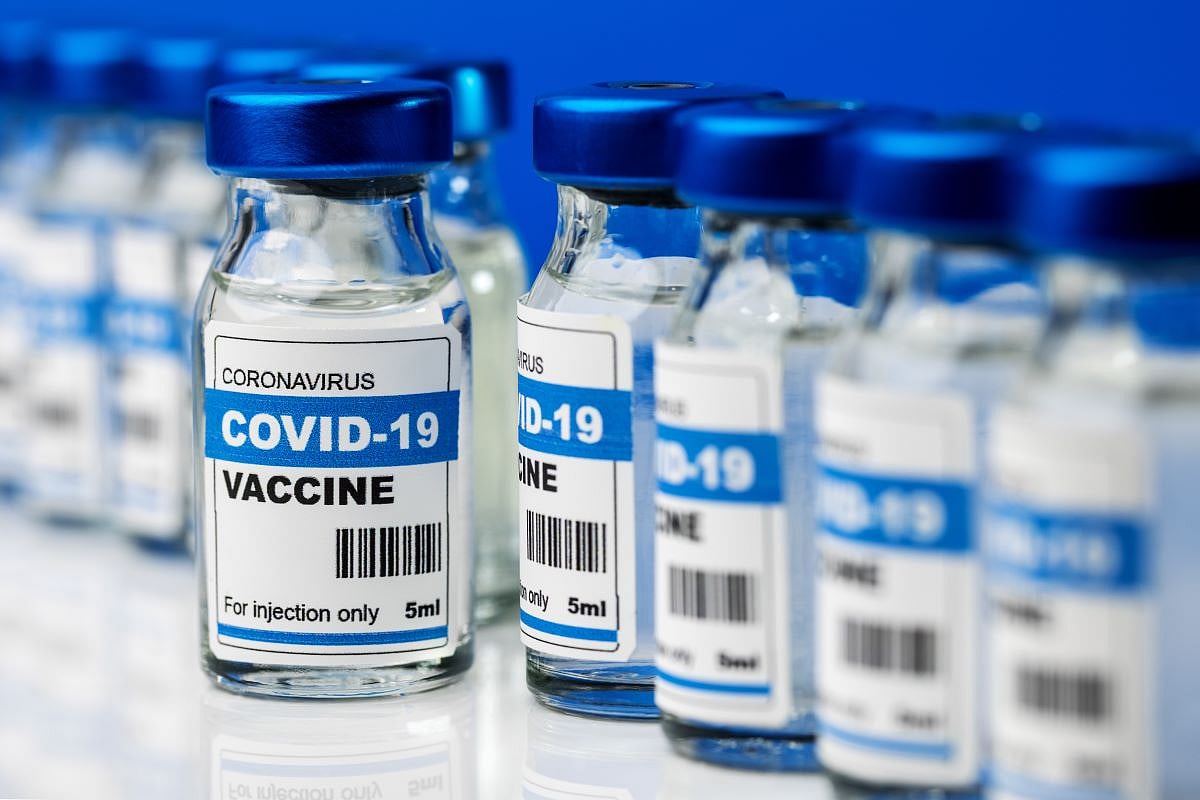
MONDAY, Sept. 21, 2020 (HealthDay News) — AstraZeneca is the latest drug company to release details about human tests of its COVID-19 vaccine in response to public demand for such information. Americans have increasing doubts about a COVID-19 vaccine, and experts are worried that an unproven or unsafe vaccine may be released prematurely due to pressure from President Donald Trump, The New York Times reported.
AstraZeneca’s clinical trials have prompted particular concern because the company has refused to provide details about serious neurological illnesses in two participants in Britain. “If there are two cases, then this starts to look like a dangerous pattern,” Mark Slifka, Ph.D., a vaccine expert at Oregon Health and Science University, told The Times. “If a third case of neurological disease pops up in the vaccine group, then this vaccine may be done.” The cases led the company to halt its trials twice. They are still on hold in the United States but have resumed in Britain, Brazil, India, and South Africa.
AstraZeneca’s “release of these [trial] protocols seems to reflect some public pressure to do so,” Natalie Dean, Ph.D., a biostatistician and expert in clinical trial design for vaccines at the University of Florida, told The Times. “This is an unprecedented situation, and public confidence is such a huge part of the success of this endeavor.”
A vaccine with 50 percent effectiveness is AstraZeneca’s goal, according to the protocol released on the weekend. That is the U.S. Food and Drug Administration’s threshold in its guidance for a COVID-19 vaccine. Moderna and Pfizer have also released information about clinical trials of their COVID-19 vaccine candidates.
There is a problem with all three companies’ plans, according to Eric Topol, M.D., a clinical trials expert at Scripps Research in San Diego. They all count relatively mild cases of COVID-19 when assessing vaccine effectiveness, which could lead to uncertainty about whether a vaccine prevents moderate or severe illness, Topol told The Times.
 Nearly 3 in 4 Older Adults Express Interest in Vaccine to Prevent Dementia
  Updated COVID-19 Shot Beneficial for Those With Autoimmune Rheumatic Disease
  Trends Reported in Vaccination Coverage for Adolescents for 2025
  AAP Issues Recommendations for Pediatric RSV Vaccination in 2026-2027 Season
  4CMenB Vaccine Confers Modest Protection Against Gonorrhea in Teens
  AAP Releases Influenza Vaccine Recommendations for All Children 6 Months and Older
  Adverse Event Risk Not Up With Same Day COVID-19, Flu Vaccination


.jpg)

