 Participants report no difficulty understanding directions for self-collection, willing to use in future
TUESDAY, Dec. 4, 2018 (HealthDay News) — Mail-based, at-home self-collection of cervicovaginal samples is valid for detecting high-risk human papillomavirus (HPV) among infrequently screened women, according to a study published online Nov. 5 in Obstetrics & Gynecology.
Andrea C. Des Marais, M.P.H., from the University of North Carolina in Chapel Hill, and colleagues recruited low-income, infrequently screened women to participate in an observational study. Participants provided two self-collected cervicovaginal samples (one at home and one in the clinic) and a sample collected by a clinician. Samples were tested for high-risk HPV; cervical samples were also tested by liquid-based cytology.
One hundred ninety-three women had conclusive high-risk HPV results for all three samples and cytology results. The researchers found that high-risk HPV prevalence among self-home samples (12.4 percent) did not differ significantly from the prevalence among clinician samples (11.4 percent; P = 0.79) or self-clinic samples (15.5 percent; P = 0.21). In all sample types, there was an increase in positivity for high-risk samples with increasing grades of cervical abnormality. High-risk HPV was detected by self-home samples in all identified cases of high-grade squamous intraepithelial lesions and cervical intraepithelial neoplasia 2 or worse. Most participants reported no difficulty understanding the instructions for self-collection and were willing to use self-collection again (93.6 and 96.3 percent, respectively).
“We found in this sample, all of the women who had high-grade lesions had HPV-positive home self-collection results,” a coauthor said in a statement. “We didn’t miss any of those high-grade cases by conducting home self-collection.”
Equipment was donated by Hologic and Rovers Medical Devices; several authors disclosed financial ties to these and other biopharmaceutical and medical device companies.
Abstract/Full Text (subscription or payment may be required)
 Trends Reported in Vaccination Coverage for Adolescents for 2025
 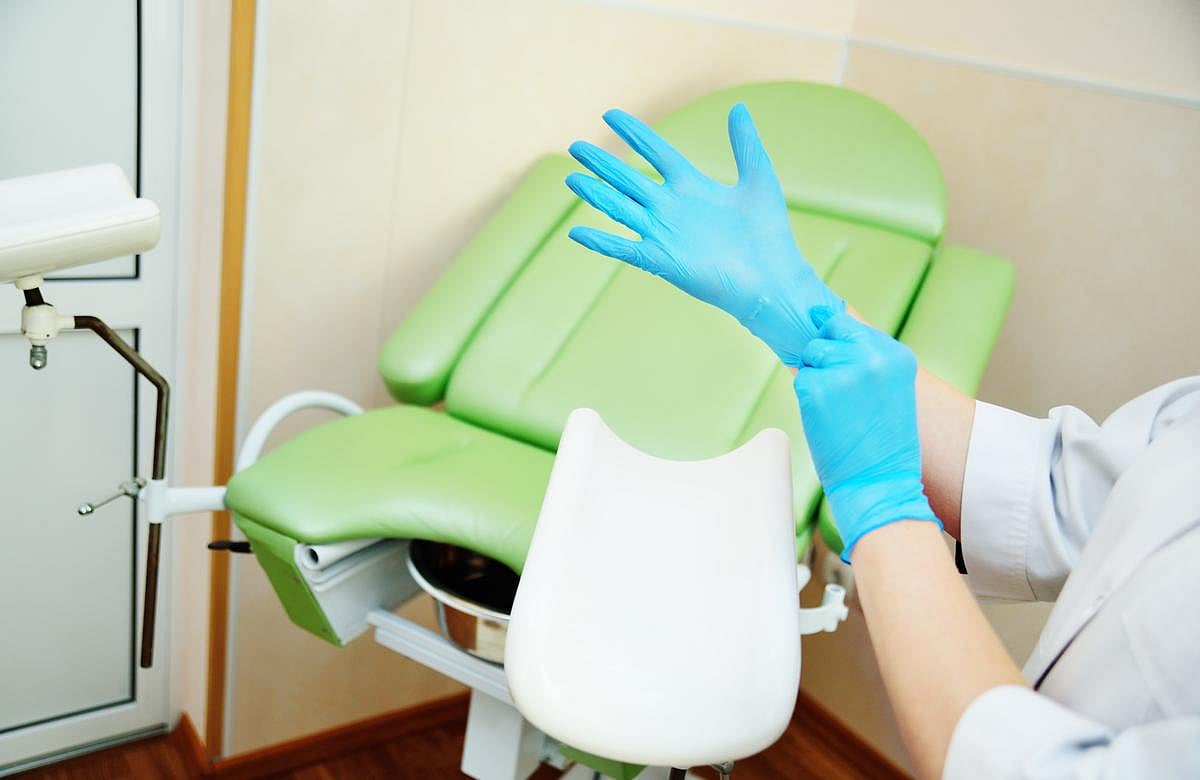 2005 to 2023 Saw More U.S. Women Never Screened for Cervical Cancer
  Odds of HPV-Related Cancers Up for People With HIV, Solid Organ Transplant Recipients
  Reduced Risk for Invasive Cervical Cancer Persists After HPV Vaccination
  Nearly 3 in 4 Older Adults Express Interest in Vaccine to Prevent Dementia
  Updated COVID-19 Shot Beneficial for Those With Autoimmune Rheumatic Disease
  Lower Breast, Cervical Cancer Screening Seen for Adults With Disabilities
  AAP Issues Recommendations for Pediatric RSV Vaccination in 2026-2027 Season