


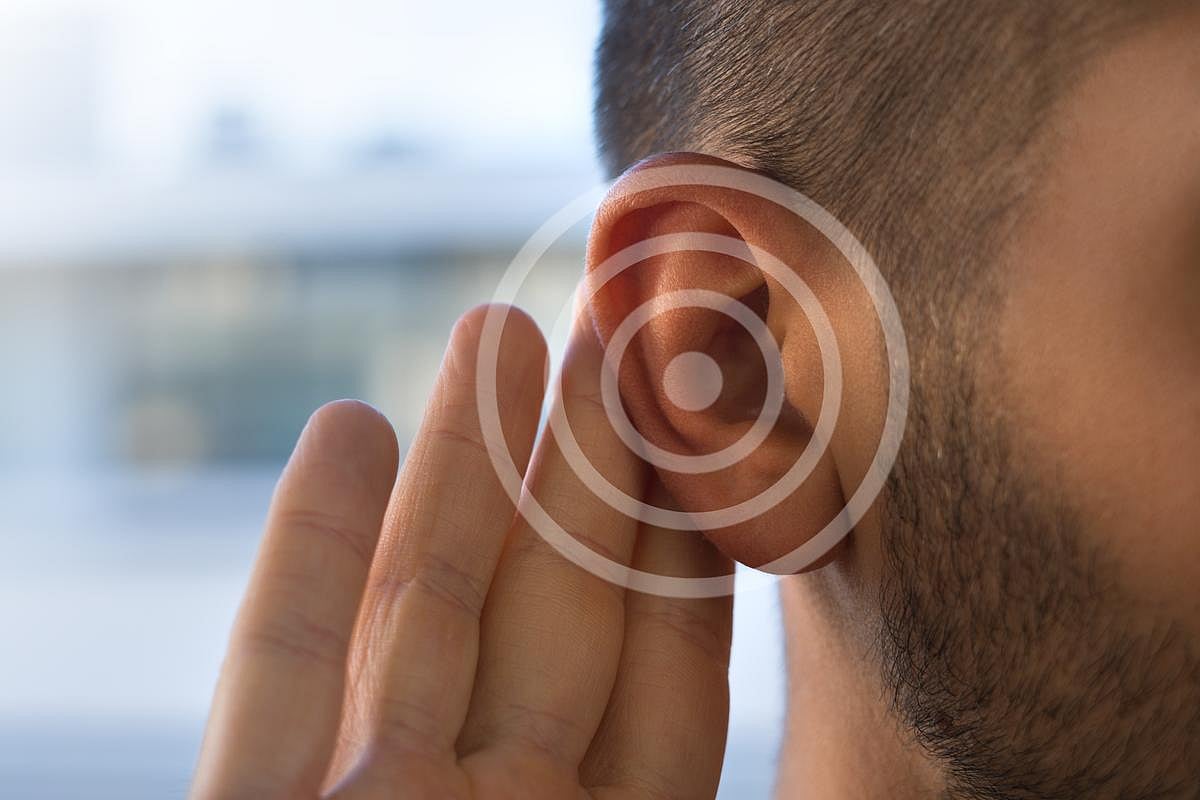
Findings seen in adults with idiopathic sudden sensorineural hearing loss
MONDAY, July 13, 2026 (HealthDay News) — The configuration of the initial pure tone audiogram is an independent predictor of complete recovery in idiopathic sudden sensorineural hearing loss (ISSNHL), according to a study published online June 17 in Otolaryngology-Head and Neck Surgery.
Li Guo, M.D., Ph.D., from the Second Affiliated Hospital of Xi”an Jiaotong University in China, and colleagues conducted a retrospective cohort study to assess whether the configuration of the initial pure tone audiogram (ascending, descending, flat, or total-deaf) predicts complete recovery among adults with unilateral ISSNHL (487 participants).
The researchers found that 16.4 percent of patients achieved complete recovery. Complete recovery occurred in 50.0 percent of patients with initial ascending, 25.2 percent with flat, 9.8 percent with descending, and 0 percent with total-deaf patterns. There was an independent association seen for descending (odds ratio, 0.25) and total-deaf (odds ratio, 0.05) configurations and worse outcomes. Other negative predictors included age and higher initial pure-tone average (area under receiver operating curve, 0.78).
“These findings underscore the value of incorporating audiogram configuration into clinical risk stratification and lay a foundation for interpretable nomogram‑based and other prognostic models,” the authors write.
Abstract/Full Text (subscription or payment may be required)
 Urine Cell-Free RNA Shows Promise as Biomarker for Bladder Cancer
  Age-, Joint-Specific Ultrasound Reference Values Set for Healthy Joints
  Retinal Imaging Can ID Atrial Fibrillation Years Before Diagnosis
  U.S. Adults May Not Understand Their Risk for Vascular Disease
  Lower Cognitive Functioning During 60s Linked to Subsequent Stroke Risk
  Polypharmacy of Prescription Medications Increased for U.S. Older Adults
  Nearly 1 in 10 Older Adults Used Cannabis in the Past Year
  Lower Vertebral Bone Mineral Density Linked to Cognitive Decline



.jpg)