


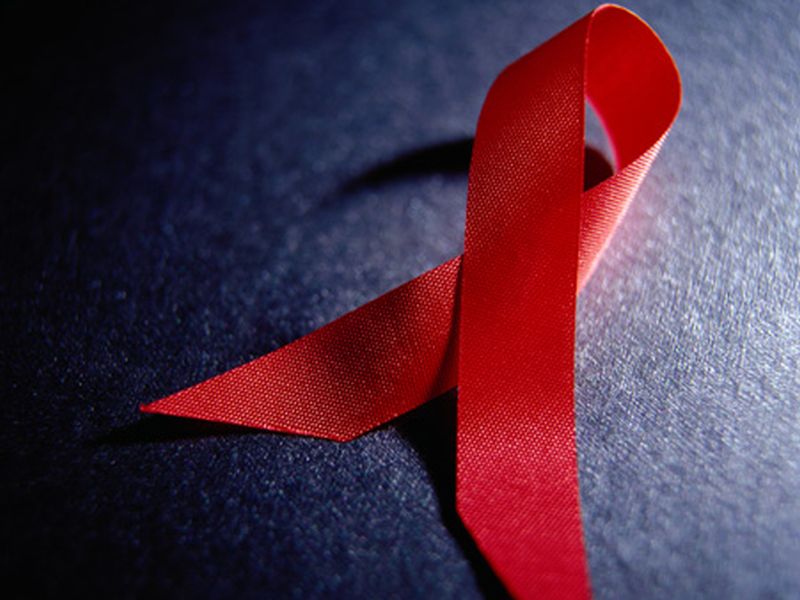
 Social networks of black men who have sex with men influence HIV risk behavior
WEDNESDAY, May 23, 2018 (HealthDay News) — A better social support network may help protect black men who have sex with men (BMSM) against HIV acquisition, according to a study published in the June issue of the Journal of Acquired Immune Deficiency Syndrome.
Keith A. Hermanstyne, M.D., from the University of California in San Francisco, and colleagues used data from the BROTHERS study to test whether contextual factors related to social networks are associated with HIV seroconversion among 1,000 BMSM who tested HIV negative at baseline and were followed for 12 months.
The researchers found that 28 men tested HIV positive. Participants who remained HIV negative had higher proportions of social network members who provided personal/emotional, medical, or social participation support, in adjusted models.
“Findings suggest that the increased presence of social network support can be protective against HIV acquisition,” the authors write. “Future research should explore the processes that link social network support with sexual and other transmission risk behaviors as a basis to inform HIV prevention efforts.”
Abstract/Full Text (subscription or payment may be required)
 Pre-Prostate Biopsy MRI Use Increased From 2017 to 2026
  MHT Initiation May Reduce Cardiovascular Risk in Women With Vasomotor Symptoms
  Residential Context Has Larger Impact on Ovarian Cancer Survival in Black Women
  Cancer Risk ID"d for Asian American, NHPI Population
 .jpg) Most Specialty Oral Anticancer Meds for Blood Cancers Are Initially Rejected by Insurers
Most Specialty Oral Anticancer Meds for Blood Cancers Are Initially Rejected by Insurers  Personalized Support Boosts Families" Genetic Testing for Hereditary Cancers
 .jpg) Cancer Survivors Have Lower Levels of Physical Activity
Cancer Survivors Have Lower Levels of Physical Activity  Pharmacist-Led Med Review Improves Medication Quality in Older Patients With Cancer




