



Enrollment in SNAP has more than doubled since the early 2000s, and about 43 percent of beneficiaries are children
MONDAY, Aug. 16, 2021 (HealthDay News) — The largest permanent increase in the history of the U.S. food stamp program and changes to its nutrition standards will be announced Monday.
Supporters say the changes to the Supplemental Nutrition Assistance Program (SNAP) that benefits 42 million Americans will better reflect how people eat and will help improve nutrition, reduce hunger, and lead to better health, The New York Times reported.
Enrollment in SNAP has more than doubled since the early 2000s, and about 43 percent of beneficiaries are children, The Times reported. Starting in October, average monthly benefits will rise from $121 to $157 per person, a 27 percent increase. The boost does not require congressional approval. There is a sliding scale for benefits. The new maximum amount will be $835 a month for a family of four, an increase of 21 percent.
Critics have long said that the program’s benefits were insufficient, and more than three-quarters of households in the program use up their benefits in the first half of the monthly cycle, The Times reported. Studies suggest that food struggles among recipients are associated with a range of problems, including lower SAT scores, more school suspensions, and higher hospital admissions.
The new plan will increase the program’s costs by about $20 billion a year, but the $79 billion annual cost of the program will help “stabilize our democracy,” according to U.S. Agriculture Secretary Tom Vilsack. “We may have a Constitution and a Declaration of Independence, but if we had 42 million Americans who were going hungry, really hungry, they wouldn’t be happy and there would be political instability,” Vilsack told The Times.
 Recommendations Issued for Use of Incretin-Based Meds in Pregnancy
 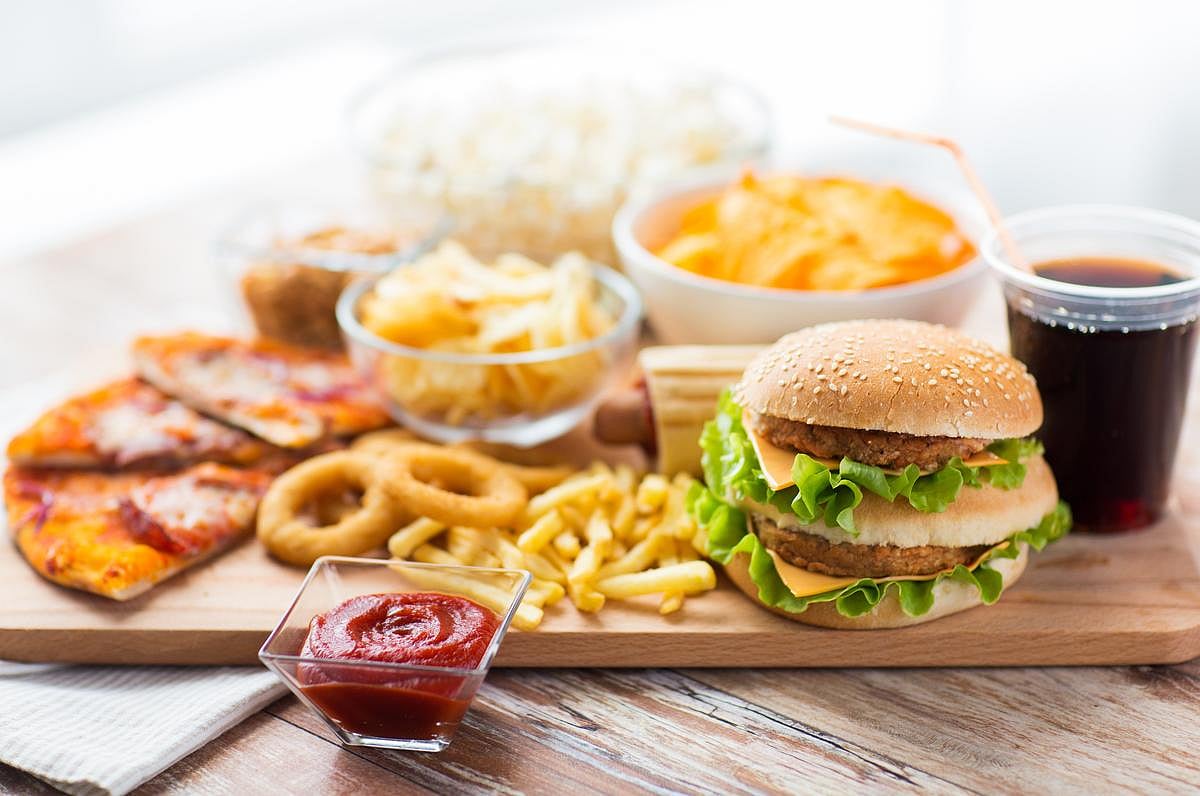 Eating More Ultraprocessed Foods Heightens Risk for Chronic Diseases
  Nutritional Deficiencies Seen in Youth Taking GLP-1 Receptor Agonists
  2009 to 2023 Saw Surge in Probiotic Supplement Use
  1 in 3 With Lupus Take Supplements, Medications With Potential for Interactions
  High-Dose Omega-3 Linked to A-Fib Risk in Patients With High CVD Risk
  Docosahexaenoic Acid Supplement Does Not Improve Cognitive Performance
  Sugar-Sweetened Beverage, Fruit Juice Intake Linked to Hypertension Risk



.jpg)
