


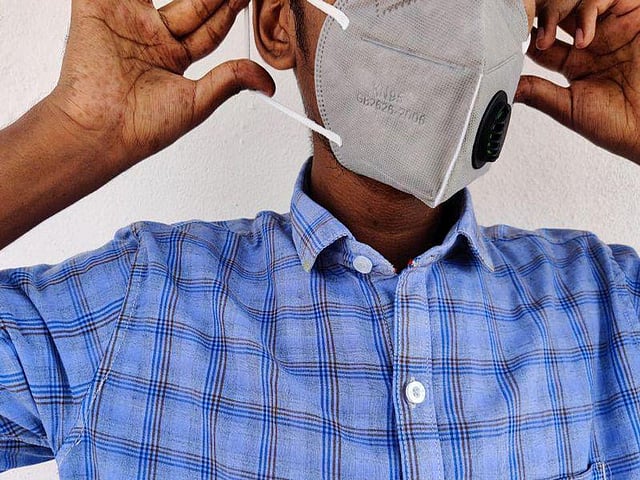
But authors say transparent information from public officials is needed to overcome persistent vaccine skepticism
FRIDAY, July 23, 2021 (HealthDay News) — Black and Hispanic community perspectives on COVID-19 mitigation behaviors and testing are informed by devastating experiences, yet vaccine skepticism still exists, according to a study published online July 15 in JAMA Network Open.
Manuel E. Jimenez, M.D., from Rutgers Robert Wood Johnson Medical School in New Brunswick, New Jersey, and colleagues sought to understand experiences and perspectives on COVID-19 mitigation behaviors (e.g., mask wearing), testing, and vaccines among Black and Hispanic communities. Interviews were conducted with 111 Black and Hispanic individuals, as well as nine health care workers from these communities.
The researchers found that participants described the devastating effects of the pandemic on themselves, loved ones, and their communities, with their experiences marked by fear, illness, loss, and separation. While these experiences motivated intense information seeking, mitigation behaviors, and testing, vaccine skepticism was high across all groups. Specifically, participants did not trust the vaccine development process and wanted clearer information. Further, Black participants reported that they did not want to be subjects of experiments.
“Scientists and public officials need to work transparently to address unanswered questions and work collaboratively with trusted community leaders and health professionals to foster partnered approaches, rather than focusing on marketing campaigns, to eliminate vaccine skepticism,” the authors write.
One author disclosed financial ties to the pharmaceutical industry.
 Gap Found Between Awareness of Breast Cancer Risk and Risk-Reducing Behavior
 Financial Incentives Boost Tobacco Abstinence in Underserved Adults
 Pre-Prostate Biopsy MRI Use Increased From 2017 to 2026
 Nearly 3 in 4 Older Adults Express Interest in Vaccine to Prevent Dementia
 Lower Cognitive Functioning During 60s Linked to Subsequent Stroke Risk
 Polypharmacy of Prescription Medications Increased for U.S. Older Adults
 Nearly 1 in 10 Older Adults Used Cannabis in the Past Year
 Insomnia Linked to Increased Risk for Stroke, Odds of Admission





.jpg)