


Incidence of bystander CPR lower for Blacks and Hispanics in predominantly White, predominantly Black or Hispanic, integrated neighborhoods
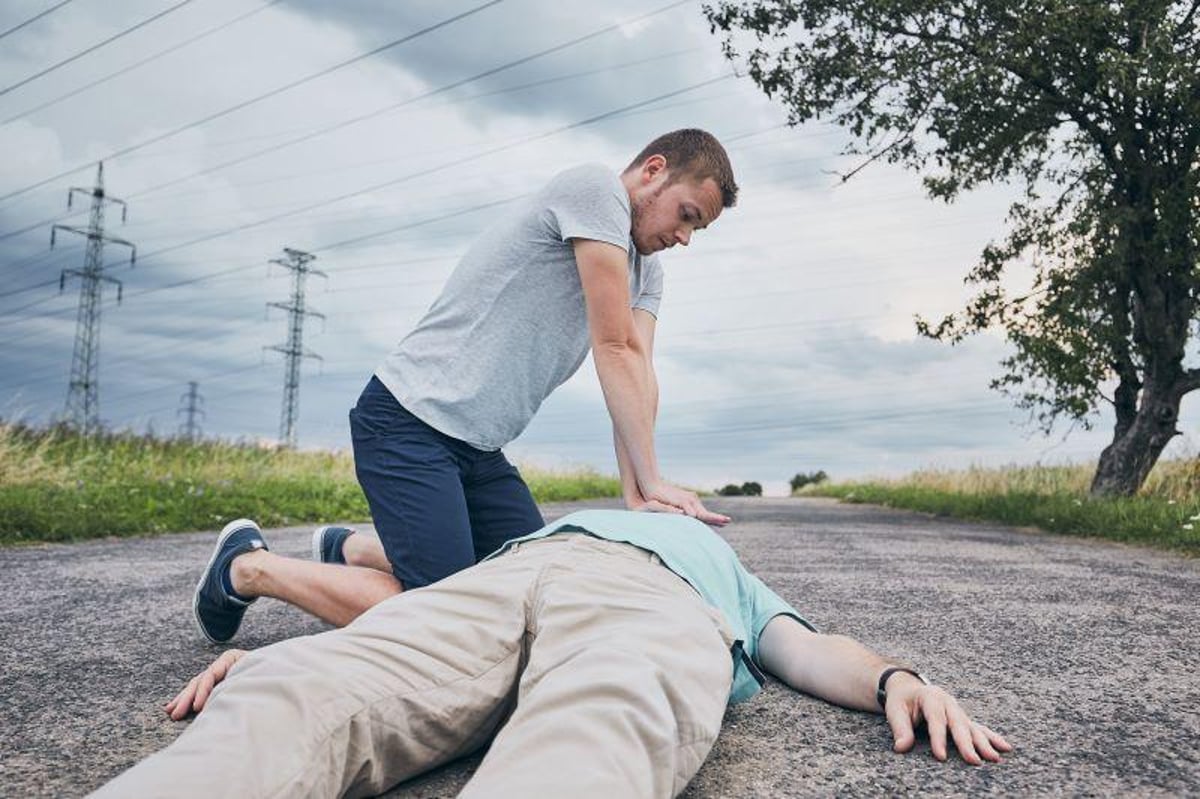
WEDNESDAY, Oct. 26, 2022 (HealthDay News) — Blacks and Hispanics are less likely than Whites to receive bystander cardiopulmonary resuscitation (CPR) for out-of-hospital cardiac arrest, according to a study published in the Oct. 27 issue of the New England Journal of Medicine.
R. Angel Garcia, M.D., from Saint Luke’s Mid America Heart Institute in Kansas City, Missouri, and colleagues examined the incidence of bystander CPR in witnessed out-of-hospital cardiac arrests at home and in public settings according to the race or ethnic group of the person with cardiac arrest. Data were included for 110,054 witnessed out-of-hospital cardiac arrests during 2013 to 2019.
Overall, 32.2 percent of witnessed out-of-hospital cardiac arrests occurred in Black or Hispanic persons. The researchers found that the likelihood of receiving bystander CPR at home and in public locations was lower for Black and Hispanic persons versus White persons (adjusted odds ratios, 0.74 and 0.63, respectively). The lower incidence of bystander CPR among Black and Hispanic persons versus White persons was seen in predominantly White neighborhoods at home and in public locations (adjusted odds ratios, 0.82 and 0.68, respectively), in majority Black or Hispanic neighborhoods at home and in public locations (adjusted odds ratios, 0.79 and 0.63, respectively), and in integrated neighborhoods at home and in public locations (adjusted odds ratios, 0.78 and 0.73, respectively).
“This finding suggests that multifaceted public health interventions may be needed to reduce racial and ethnic differences in bystander CPR,” the authors write.
 Pre-Prostate Biopsy MRI Use Increased From 2017 to 2026
  MHT Initiation May Reduce Cardiovascular Risk in Women With Vasomotor Symptoms
  Residential Context Has Larger Impact on Ovarian Cancer Survival in Black Women
  Cancer Risk ID"d for Asian American, NHPI Population
 .jpg) Most Specialty Oral Anticancer Meds for Blood Cancers Are Initially Rejected by Insurers
Most Specialty Oral Anticancer Meds for Blood Cancers Are Initially Rejected by Insurers  Personalized Support Boosts Families" Genetic Testing for Hereditary Cancers
 .jpg) Cancer Survivors Have Lower Levels of Physical Activity
Cancer Survivors Have Lower Levels of Physical Activity  Pharmacist-Led Med Review Improves Medication Quality in Older Patients With Cancer




