



Atypically developing versus neurotypically developing girls had lower normalized proton density, while boys had longer T1 in white matter
TUESDAY, April 26, 2022 (HealthDay News) — Adolescents who are born extremely preterm (EP) and have atypical development have differences in brain development that can be detected on multiparametric quantitative magnetic resonance imaging (qMRI), according to a study published online April 26 in Radiology.
Ryan McNaughton, from the Boston University College of Engineering, and colleagues compared multiparametric qMRI parameters of EP-born adolescents with autism spectrum disorder, cerebral palsy, epilepsy, or cognitive impairment (atypically developing) versus those born without (neurotypically developing) in a prospective multicenter study. Participants underwent 3.0-T MRI evaluation from 2017 to 2019. Data were included for 368 adolescents: 116 atypically developing and 252 neurotypically developing.
The researchers found that cerebrospinal fluid-normalized proton density (nPD) was significantly lower in white matter for atypically versus neurotypically developing girls, while longer relaxation time (T)1 in white matter was seen for atypically versus neurotypically developing boys. Compared with boys, atypically developing girls had lower nPD and shorter T2 in white matter and gray matter. Compared with neurotypically developing boys, atypically developing boys had a more moderate negative association between T1 and spatial entropy density.
“This project shows how researchers with different expertise can work together to use qMRI as a predictor of psychiatric and neurocognitive outcome,” McNaughton said in a statement.
Several authors disclosed financial ties to the medical device and health care industries; one author has a patent pending.
.jpg) Considerable Gaps Reported in Care for Youth With Opioid Use Disorder
Considerable Gaps Reported in Care for Youth With Opioid Use Disorder 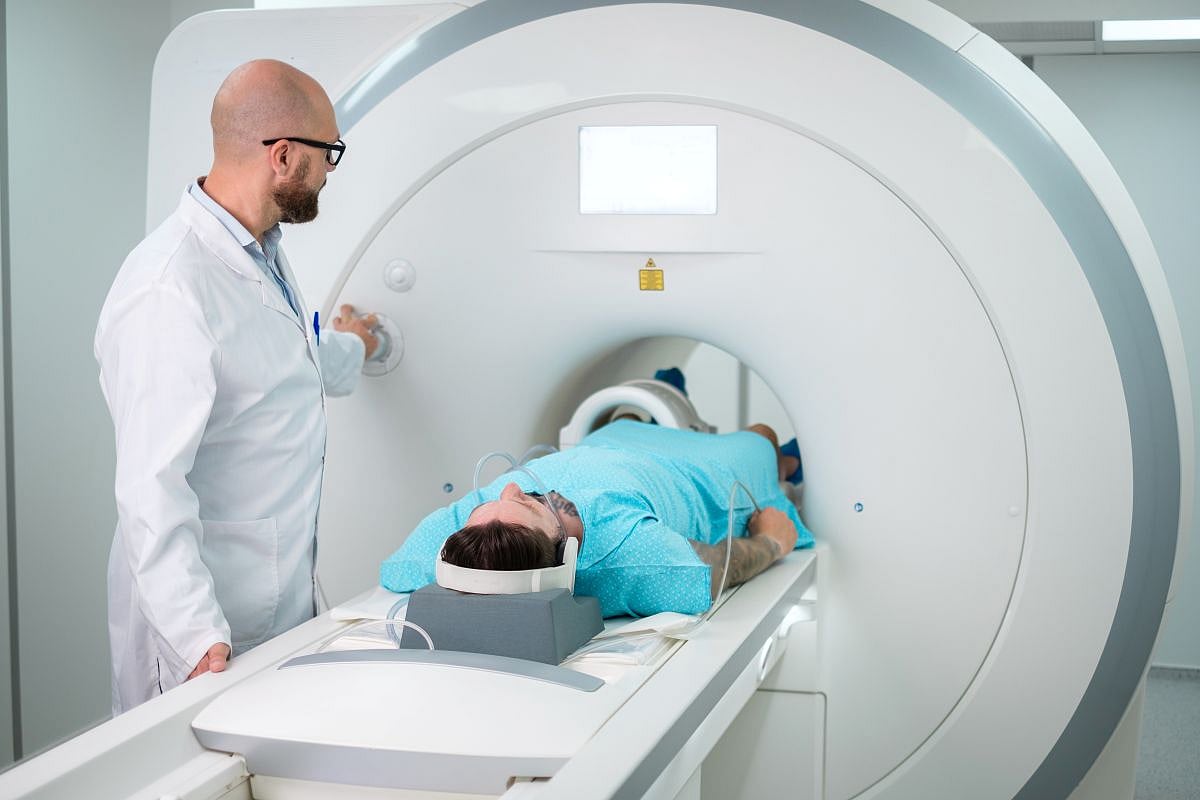 Pre-Prostate Biopsy MRI Use Increased From 2017 to 2026
  Lower Vertebral Bone Mineral Density Linked to Cognitive Decline
 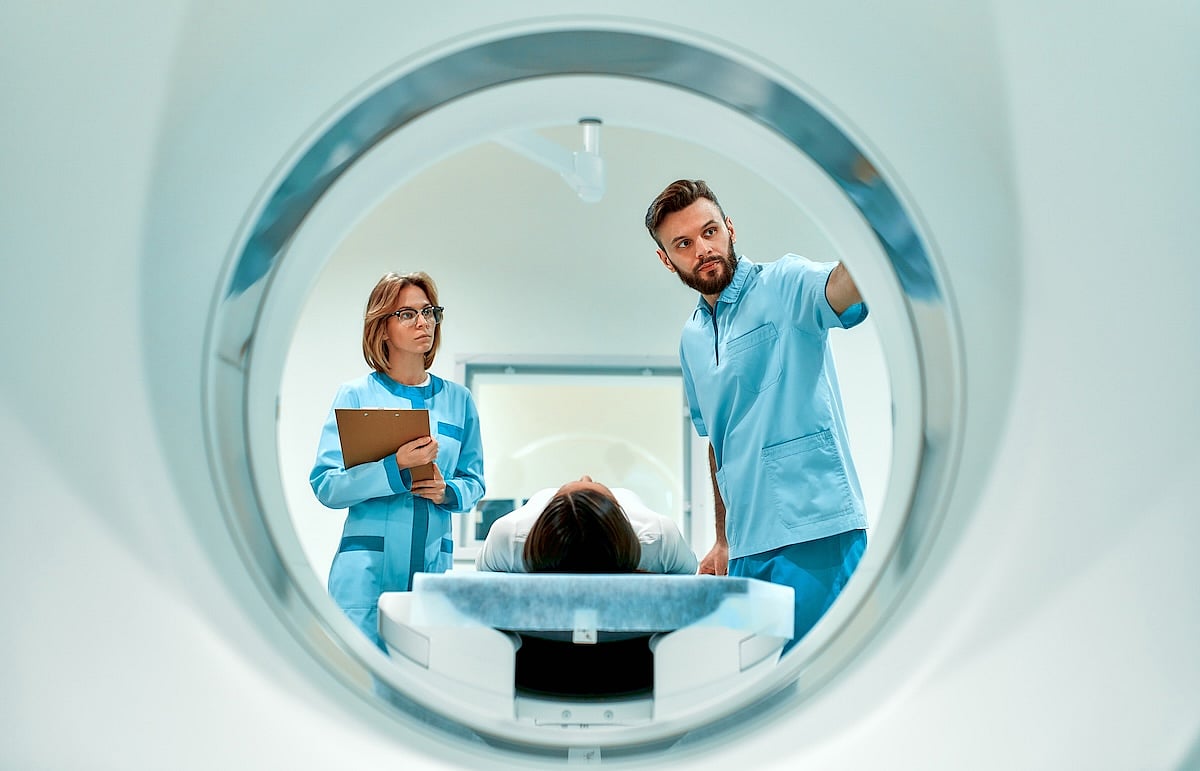 PET/MRI Offers Diagnostic, Prognostic Value in Pediatric Epilepsy
  Drug Interactions Reducing Contraceptive Effectiveness Common in Epilepsy
  Implant, Patient Survival Do Not Differ for Robotic and Conventional Total Joint Replacement
  Physical Therapist-Supervised Exercise Improves Outcomes After ACL Reconstruction
 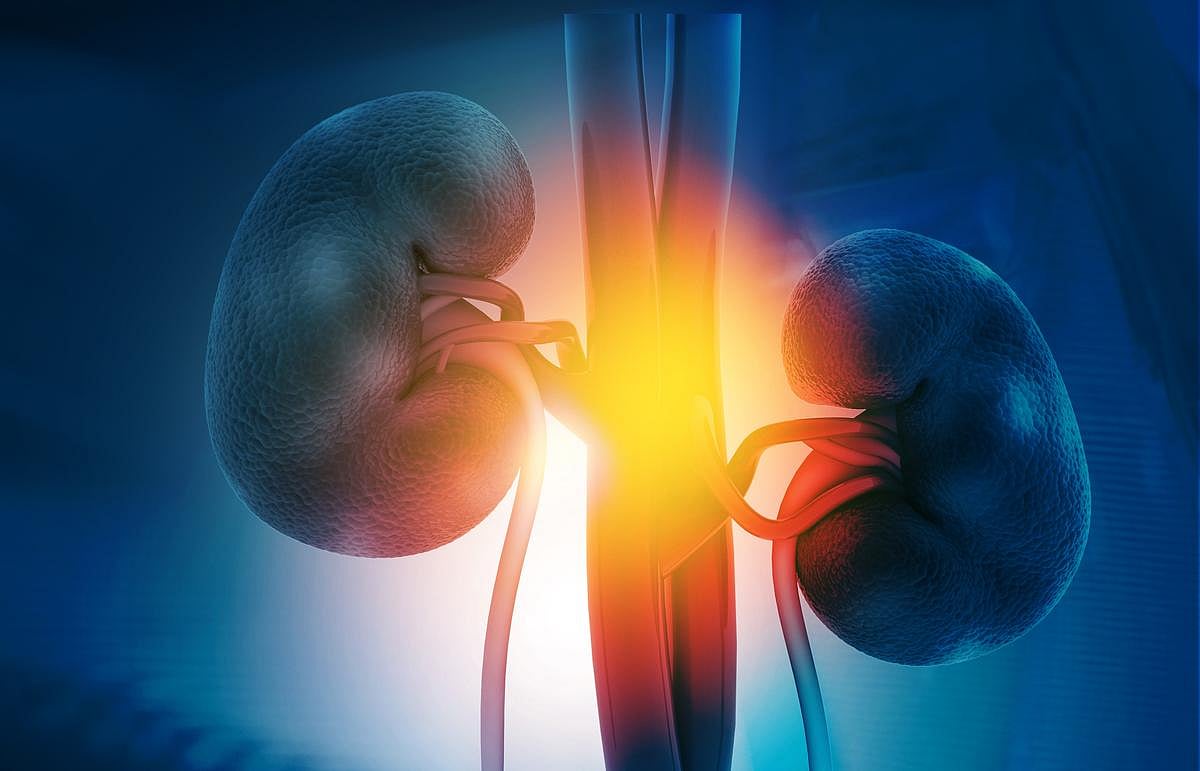 Early Complications Common in Older Kidney Transplant Recipients



.jpg)