


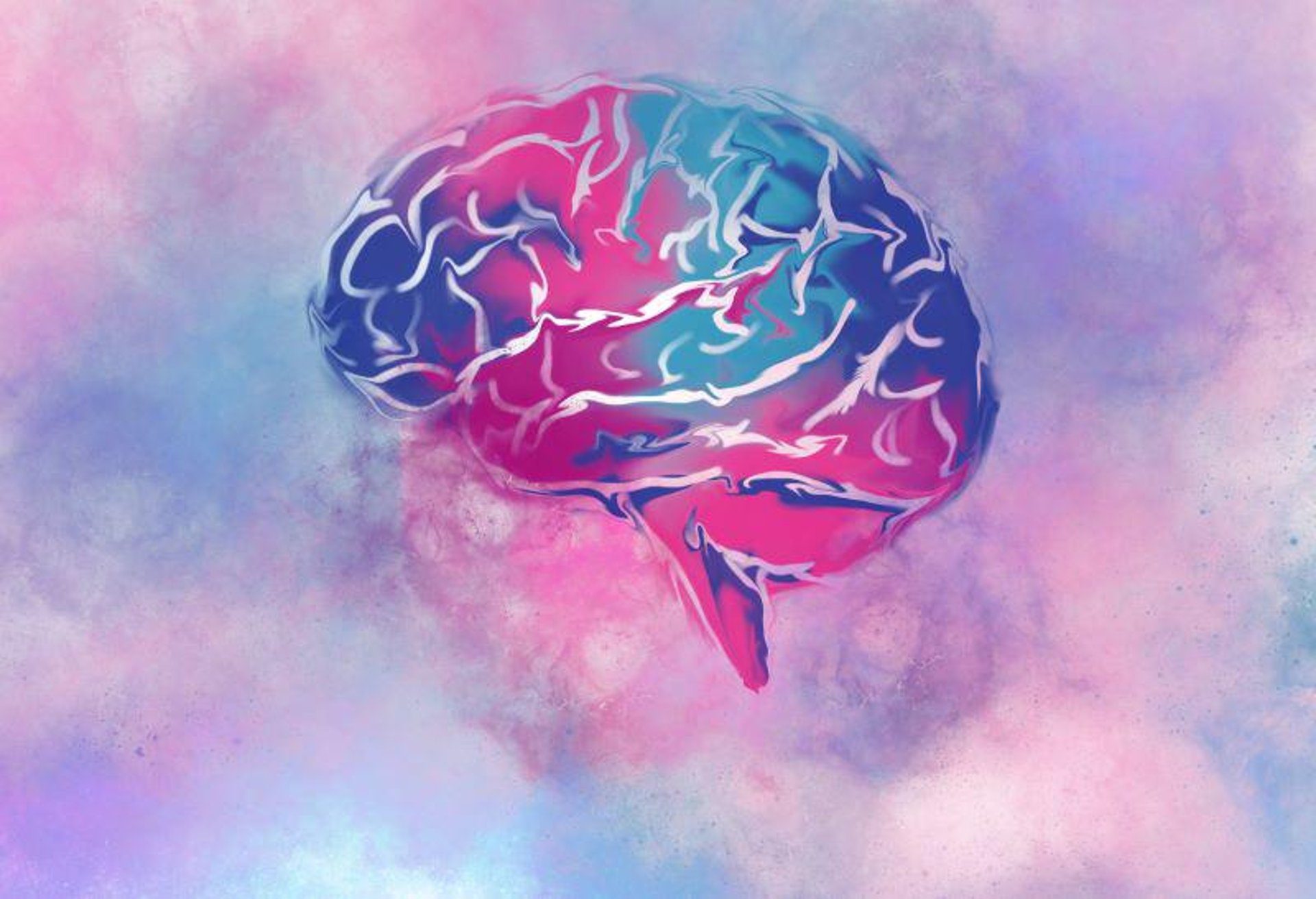
DTI connectometry analysis shows altered white matter tracts in WTC responders with cognitive impairment and/or PTSD
FRIDAY, Aug. 26, 2022 (HealthDay News) — World Trade Center (WTC) responders with cognitive impairment (CI) and/or posttraumatic stress disorder (PTSD) appear to have altered white matter tracts, according to a study published online Aug. 11 in the Journal of Alzheimer’s Disease.
Minos Kritikos, Ph.D., from the Renaissance School of Medicine at Stony Brook University in New York, and colleagues examined diffusion connectometry to identify altered white matter tracts in WTC responders with CI and/or PTSD versus unaffected responders. Data were included for 99 WTC responders (mean age, 56 years): 27 CI−/PTSD−, 25 CI+/PTSD−, 24 CI−/PTSD+, and 23 CI+/PTSD+. Whole-brain tract-level differences in white matter integrity were examined using connectometry analysis as reflected by fractional anisotropy.
The researchers observed a negative correlation for fractional anisotropy with CI and PTSD status in the fornix, cingulum, forceps minor of the corpus callosum, and the right uncinate fasciculus. Fractional anisotropy was also negatively associated with PTSD status in the superior thalamic radiation and the cerebellum, regardless of CI status.
“These results support ongoing work suggesting that WTC responders with CI and/or PTSD are experiencing neurological changes, perhaps with the involvement of neuroinflammation as the etiological substrate,” the authors write. “These findings warrant future investigations of neuroinflammation, such as free water diffusion tensor imaging techniques, as WTC responders are aging and the risk of CI increases substantially.”
Abstract/Full Text (subscription or payment may be required)
 2016 to 2024 Saw Increase in Patients Using Medical Cannabis
  Lower Vertebral Bone Mineral Density Linked to Cognitive Decline
  Estrogen Hormone Treatment May Be Beneficial for Brain Fog Symptoms in Menopausal Women
 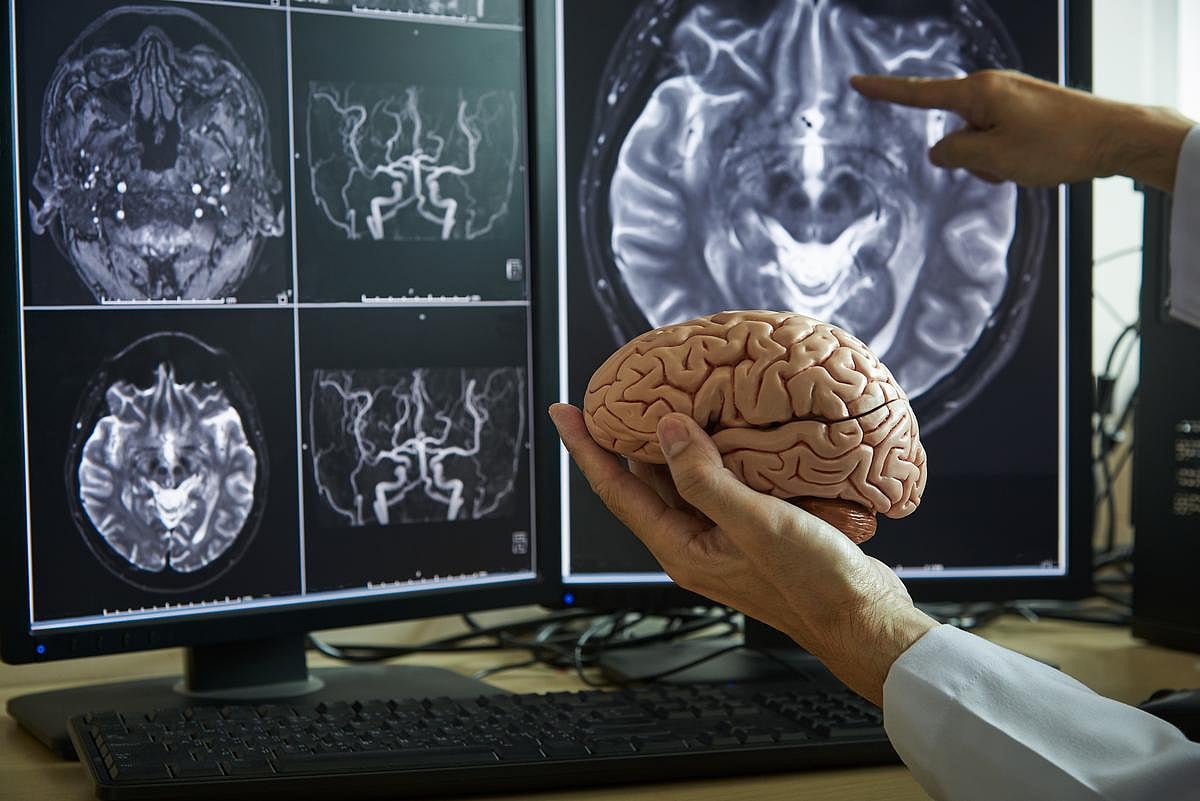 Brain Abnormalities Identified in Children at Risk for Schizophrenia
  Pre-Prostate Biopsy MRI Use Increased From 2017 to 2026
 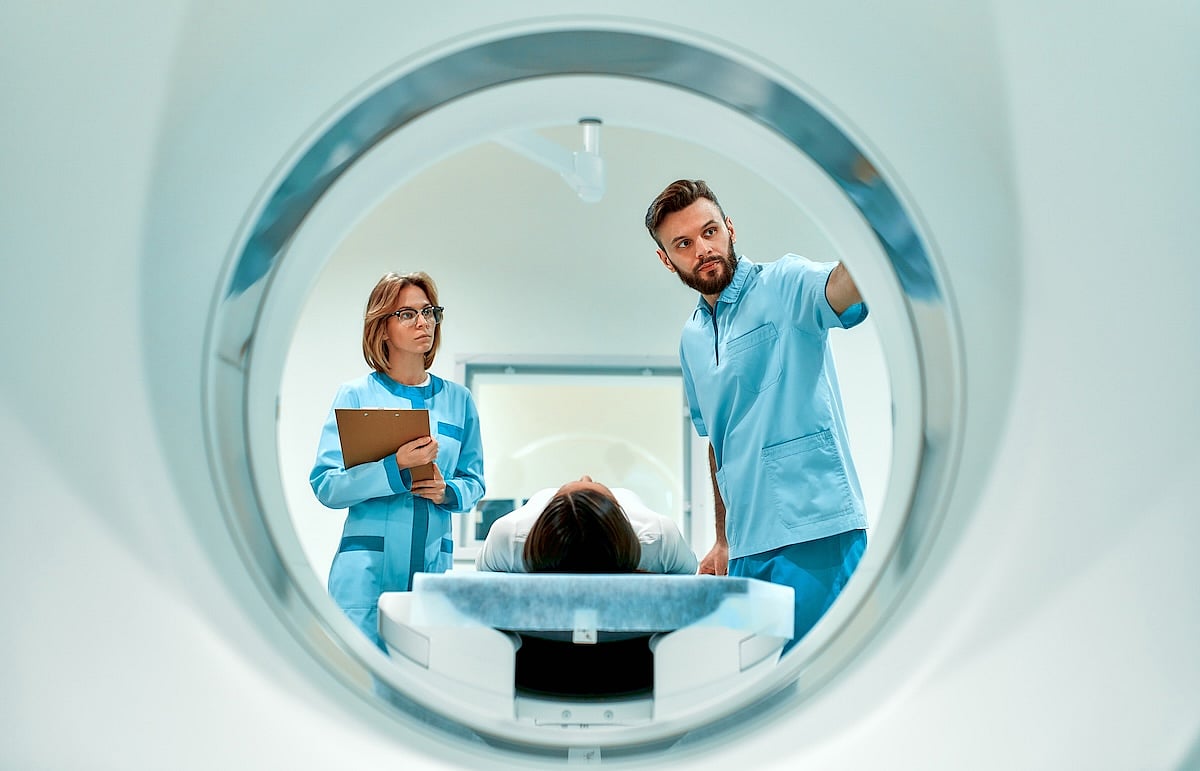 PET/MRI Offers Diagnostic, Prognostic Value in Pediatric Epilepsy
  Nighttime Light Exposure Linked to Sleep Parameters in Schizophrenia
  Psychiatrists Only Agree 55 Percent of the Time on Diagnoses


.jpg)

