


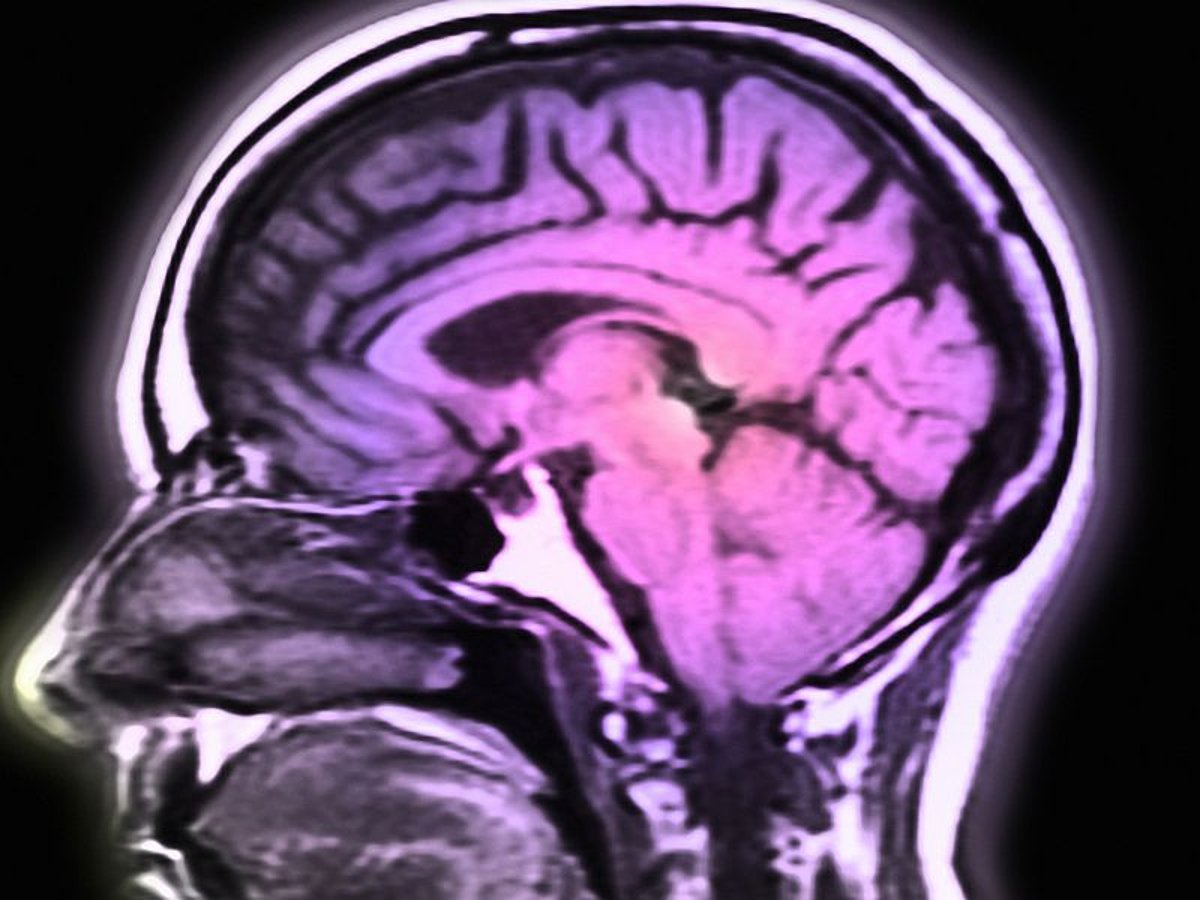
 Better response to cognitive behavioral therapy linked to greater activation in certain areas of brain
WEDNESDAY, Sept. 2, 2020 (HealthDay News) — Brain scans may predict which type of therapy will be most effective for obsessive-compulsive disorder (OCD) in teens and adults, according to a study published online Aug. 28 in The American Journal of Psychiatry.
Luke J. Norman, Ph.D., from University of Michigan in Ann Arbor, and colleagues randomly assigned 87 patients with OCD (age range, 12 to 45 years; 57 women) to receive 12 weeks of cognitive behavioral therapy (CBT) or stress management therapy (SMT; active control). Before treatment, functional magnetic resonance imaging scans were conducted in patients performing an incentive flanker task.
The researchers found that within the CBT group, a better treatment response was significantly associated with greater pretreatment activation within the right temporal lobe and rostral anterior cingulate cortex during cognitive control and within the ventromedial prefrontal, orbitofrontal, lateral prefrontal, and amygdala regions during reward processing. Reduced pretreatment activation within an overlapping set of regions was significantly associated with a better treatment response to SMT.
“Such treatment-specific associations are important for the development of biomarkers to personalize treatment in OCD,” the authors write.
One author disclosed financial ties to the pharmaceutical industry.
Abstract/Full Text (subscription or payment may be required)
 More Extensive Deposits of Tau Seen in Early-Onset Alzheimer Disease
 AI Better Assesses Heart Function From MRI Than Clinicians
 CTE Pathology Found in Nearly 75 Percent of Deceased Former NFL Players
 Pre-Prostate Biopsy MRI Use Increased From 2017 to 2026
 Urine Cell-Free RNA Shows Promise as Biomarker for Bladder Cancer
 PET/MRI Offers Diagnostic, Prognostic Value in Pediatric Epilepsy
.jpeg) Higher Intake of Saturated, Animal Fats May Increase Mortality in Prostate Cancer
 Adverse Pathological Features Do Not Predict Benefit of Hormone Therapy in Prostate Cancer
.jpg)




