


Booster shots have become a hot topic since Pfizer-BioNTech said last week it would seek EUA for a third shot of its two-dose vaccine
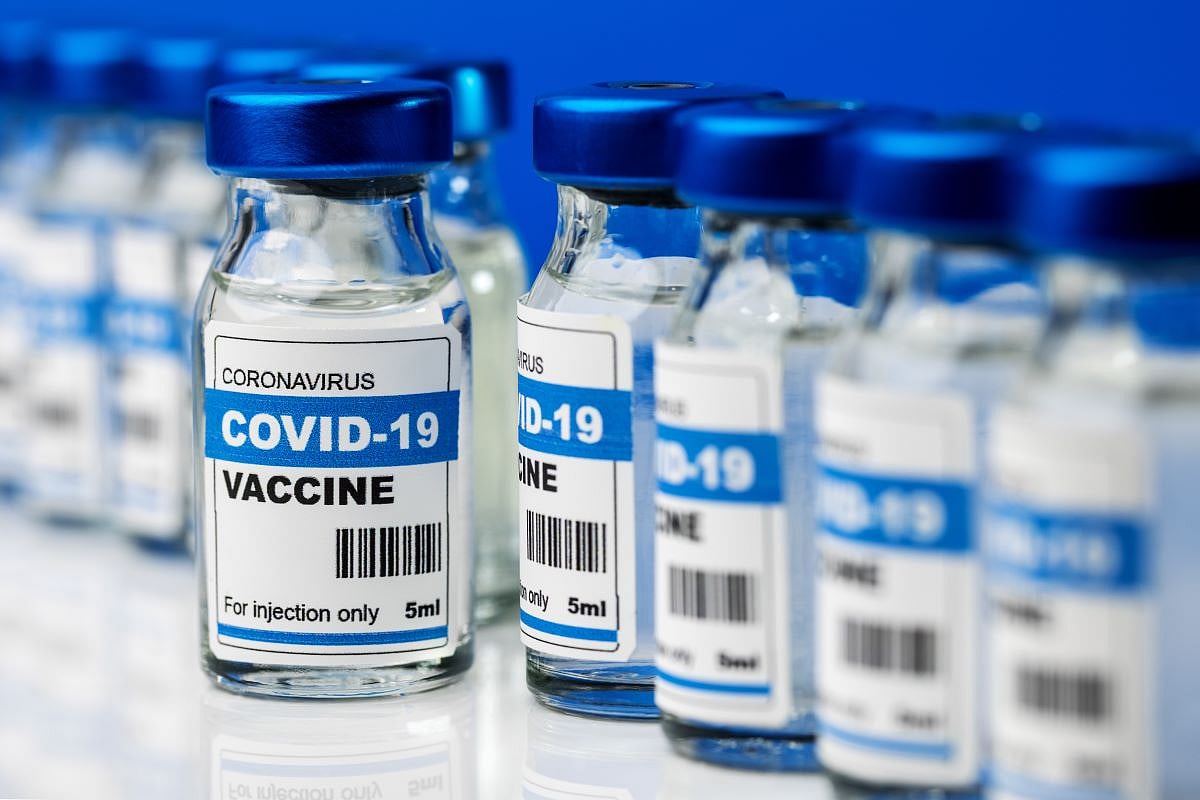
FRIDAY, July 16, 2021 (HealthDay News) — Giving a third dose of COVID-19 vaccines to immunocompromised adults will be up for discussion during a U.S. Centers for Disease Control and Prevention advisory panel meeting next week.
At the meeting scheduled for July 22, the Advisory Committee on Immunization Practices will focus on the 2 to 4 percent of U.S. adults with weakened immune systems. These include organ transplant recipients, people receiving cancer treatments, and those living with rheumatologic conditions, HIV, and leukemia, The Washington Post reported.
The director of the U.S. National Institutes of Health does not consider giving an additional dose of currently approved two-dose vaccines to immunocompromised people a “booster” shot. “I wouldn’t call that a booster,” Francis Collins said, The Post reported. “I would call that trying to get the primary immunization into the effective place.”
Booster shots have become a hot topic since Pfizer-BioNTech said last week it would seek emergency use authorization for a third shot of its two-dose vaccine amid growing concerns about the highly transmissible Delta variant, but U.S. health officials have said a third dose is not widely needed, The Post reported.
This week, Israel said it would start giving a third dose of the Pfizer vaccine to severely immunocompromised adults, and Britain plans to start giving booster shots in September, first to those with weakened immune systems, people older than 70 years, and frontline health care workers, The Post reported.
 Nearly 3 in 4 Older Adults Express Interest in Vaccine to Prevent Dementia
  Rheumatic Immune-Related AEs With Immune Checkpoint Inhibitors More Severe Than Previously Reported
  Updated COVID-19 Shot Beneficial for Those With Autoimmune Rheumatic Disease
  Trends Reported in Vaccination Coverage for Adolescents for 2025
 .jpg) Considerable Gaps Reported in Care for Youth With Opioid Use Disorder
Considerable Gaps Reported in Care for Youth With Opioid Use Disorder  Nutritional Deficiencies Seen in Youth Taking GLP-1 Receptor Agonists
  Youth Suicide Risk Linked to Community Firearm Violence
  AAP Issues Recommendations for Pediatric RSV Vaccination in 2026-2027 Season


.jpg)

