


Recommendations came just one day after the FDA authorized boosters for several vulnerable groups at least six months after the second dose
FRIDAY, Sept. 24, 2021 (HealthDay News) — The U.S. Centers for Disease Control and Prevention on Thursday recommended booster shots of the Pfizer COVID-19 vaccine for millions of older and high-risk Americans, kicking off a new chapter in the national effort to protect the vulnerable from severe disease.
First, an expert CDC advisory panel called for COVID-19 booster shots for those older than 65 years, nursing home residents, and other Americans who are at high risk because of underlying health conditions. Those recommendations came just one day after the U.S. Food and Drug Administration authorized boosters for several vulnerable groups at least six months after getting a second shot.
Hours after the panel made its recommendations, CDC Director Rochelle Walensky, M.D., approved the panel’s recommendations but added one more critical category to the mix: Americans who are vulnerable to COVID-19 because of their occupations. This includes health care workers, teachers, and grocery store employees.
Although the CDC vaccine advisory panel only looked at the Pfizer vaccine, the CDC “will address, with the same sense of urgency, recommendations for the Moderna and J&J vaccines as soon as those data are available,” Walensky noted.
In a statement released on Wednesday, Gerald Harmon, M.D., president of the American Medical Association, praised the CDC panel for its “thoughtful deliberations and recommendations.” Still, with hospitalization rates 10 to 22 times higher among the unvaccinated than among the vaccinated, “our top priority should remain reaching those individuals who remain unvaccinated against COVID-19,” he added.
 Nearly 3 in 4 Older Adults Express Interest in Vaccine to Prevent Dementia
 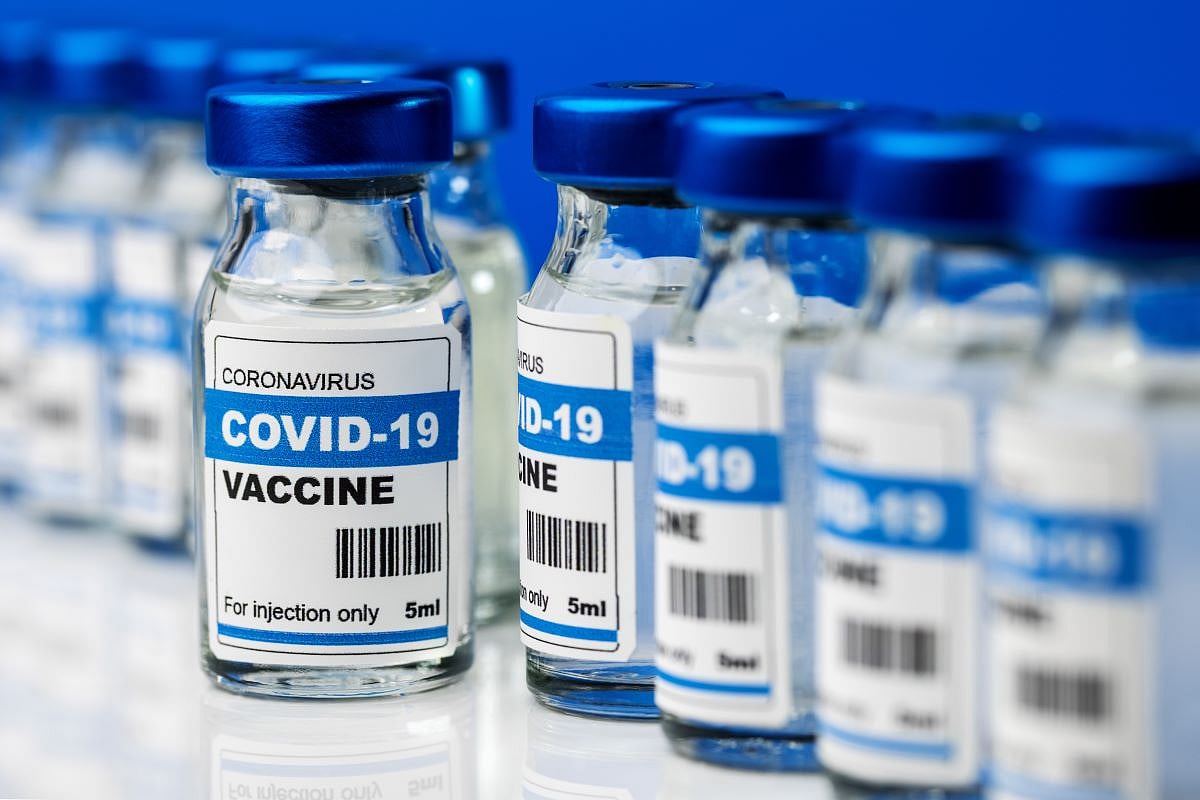 Updated COVID-19 Shot Beneficial for Those With Autoimmune Rheumatic Disease
  Trends Reported in Vaccination Coverage for Adolescents for 2025
  AAP Issues Recommendations for Pediatric RSV Vaccination in 2026-2027 Season
  4CMenB Vaccine Confers Modest Protection Against Gonorrhea in Teens
  AAP Releases Influenza Vaccine Recommendations for All Children 6 Months and Older
 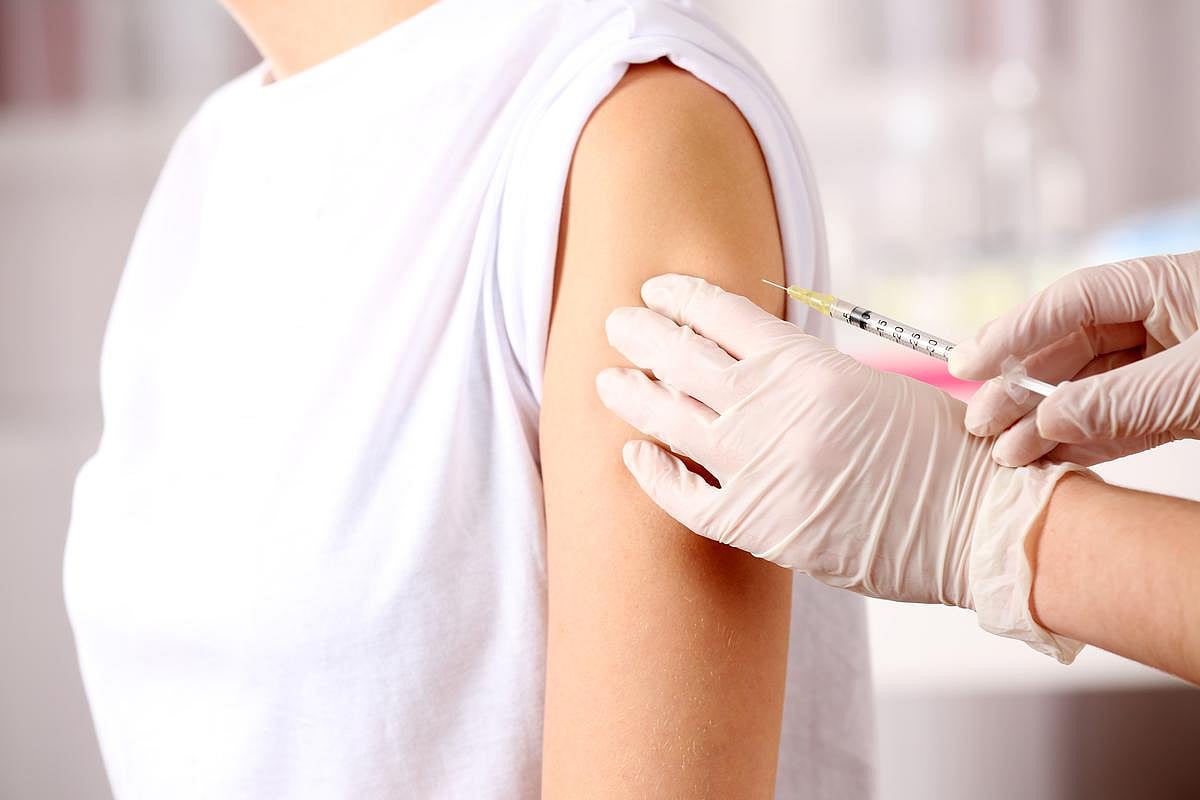 Adverse Event Risk Not Up With Same Day COVID-19, Flu Vaccination


.jpg)

