


Agency is advising people at high risk for severe Listeria illness to not eat any Hispanic-style fresh and soft cheeses
FRIDAY, Feb. 12, 2021 (HealthDay News) — Seven people in four states have been hospitalized in a Listeria outbreak linked to potentially contaminated cheese, U.S. health officials said Friday.
Because Listeria monocytogenes can cause severe illness, the U.S. Centers for Disease Control and Prevention is advising people at high risk for severe Listeria illness to not eat any Hispanic-style fresh and soft cheeses until more information is available.
People who are pregnant (and their newborns), adults aged 65 or older, and people with weakened immune systems, such as people with cancer or on dialysis, should avoid Hispanic-style fresh and soft cheeses (like queso fresco, queso blanco, and queso panela), until investigators identify the specific type or brand that is making people sick.
Symptoms of Listeria illness can include headache, stiff neck, confusion, loss of balance, and convulsions, in addition to fever and muscle aches, the CDC added. Symptoms of severe illness usually start one to four weeks after eating food contaminated with Listeria, but they can start the same day or as late as 70 days after, the agency noted.
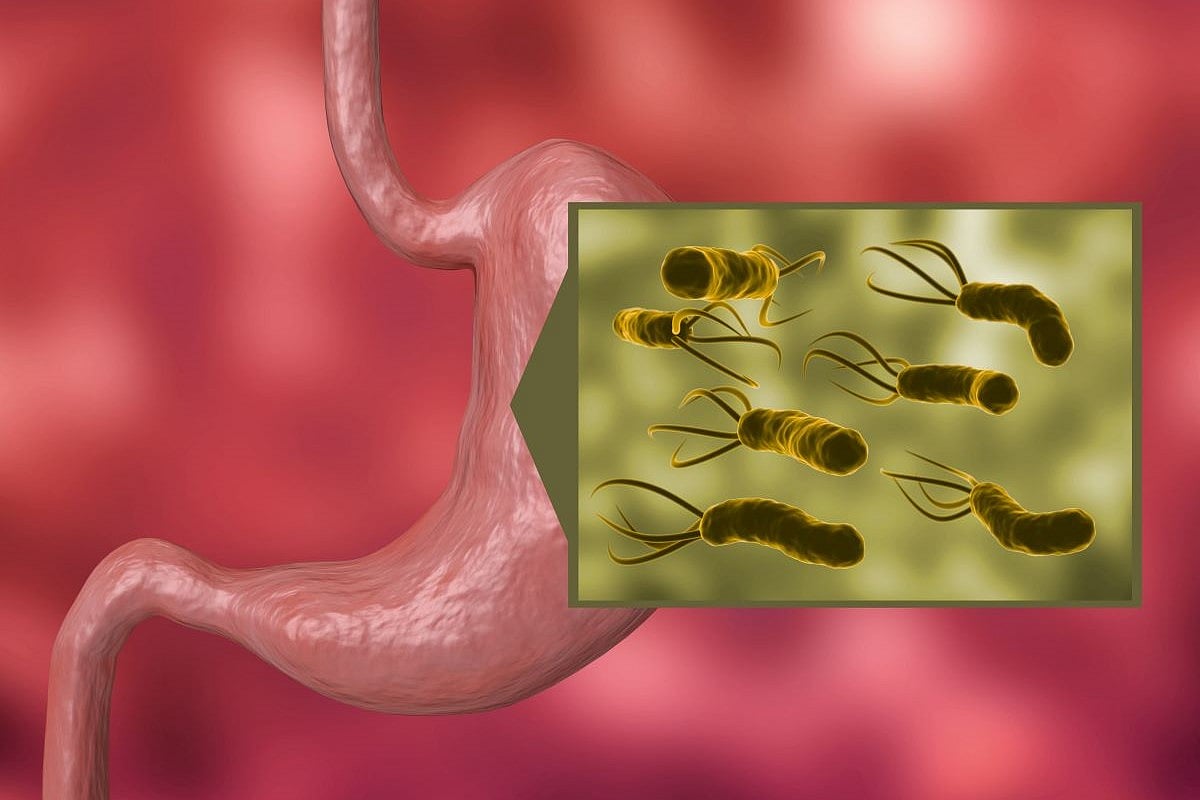 H. Pylori Exposure May Contribute to Global Burden of Colorectal Cancer
  Distinct Skin Microbiome Features Emerge Before Atopic Disease Onset in Infants
  About 1 in 20 Hospitalized U.S. Adults With Firearm Injuries Develop Bacterial Infections
  Freshwater Swimming Tied to Stomach Bugs, Skin Conditions
 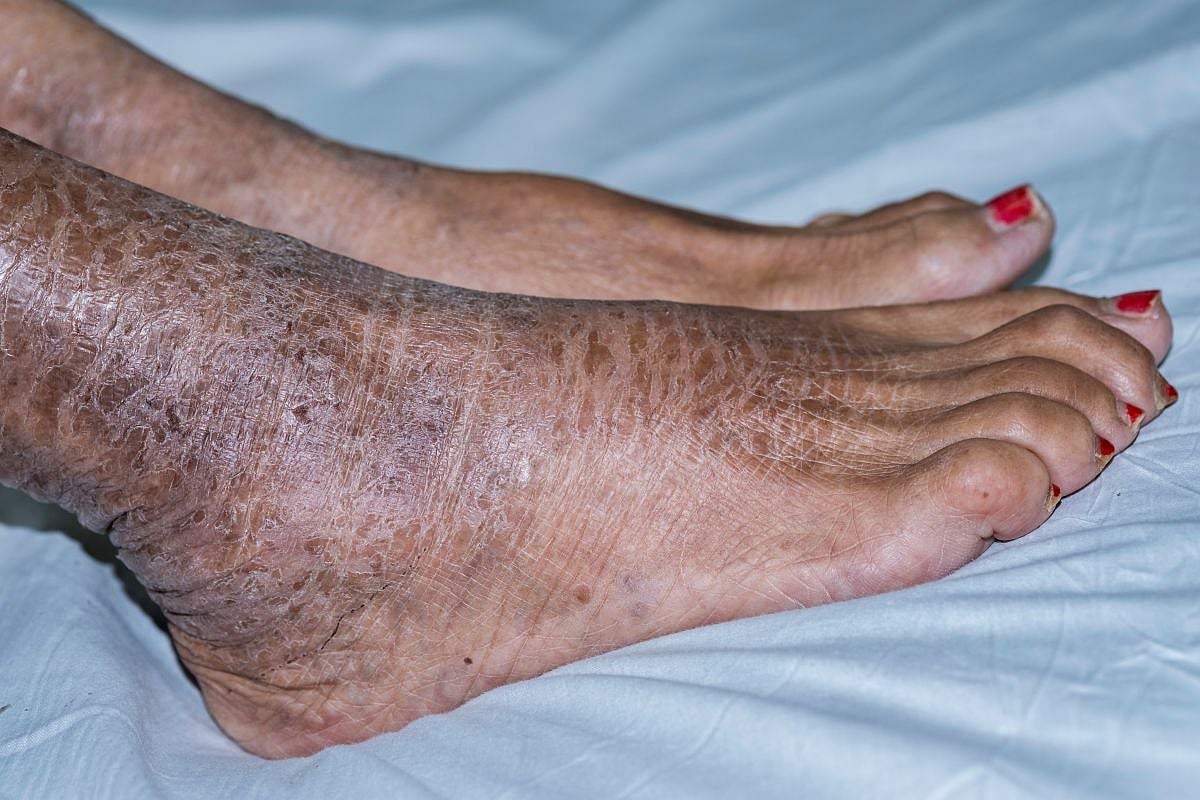 Congenital Ichthyosis Linked to Allergic Disorders
  Considerable Global Disparities Found in Access to Dermatological Care
  Extreme Heat Linked to 33 Clinically Reportable Diagnoses
  Early-Life PFAS Exposure Tied to Intestinal Inflammation in Childhood
 .jpg)




