


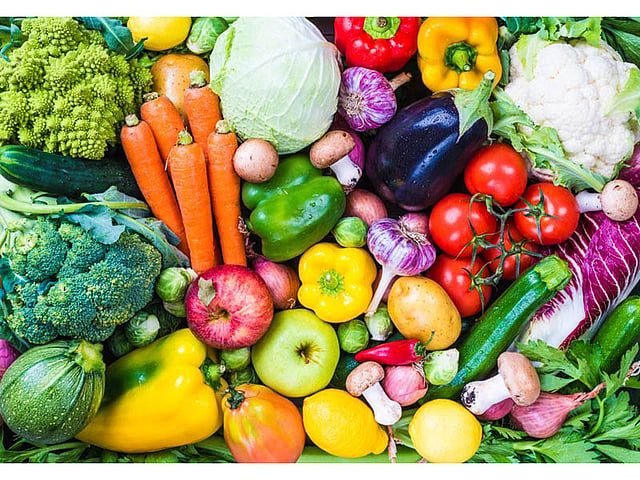
Nationally, 7.1 and 2.0 percent of students met U.S. Department of Agriculture recommendations for fruit, vegetable intake in 2017
TUESDAY, Jan. 26, 2021 (HealthDay News) — Nationally, 7.1 and 2.0 percent of students met the U.S. Department of Agriculture (USDA) recommendations for fruit and vegetable intake, respectively, in 2017, according to research published in the Jan. 22 issue of the U.S. Centers for Disease Control and Prevention Morbidity and Mortality Weekly Report.
Samantha J. Lange, M.P.H., from the CDC in Atlanta, and colleagues updated 2013 data to examine the proportion of high school students who met the USDA recommendations for fruit and vegetable consumption. Data from the 2017 national and state Youth Risk Behavior Surveys were analyzed to calculate the percentage of students meeting intake recommendations.
The researchers found that the median frequencies of fruit and vegetable consumption were 0.9 and 1.1 times per day, respectively, nationally. Using previously established scoring algorithms, 7.1 and 2.0 percent of students met the USDA intake recommendations for fruits and vegetables, respectively. There was variation in the state-specific estimates of the percentage of students meeting fruit intake recommendations, from 4.0 to 9.3 percent (Connecticut and Louisiana, respectively), and in estimates of the percentage of students meeting vegetable intake recommendations, from 0.6 to 3.7 percent (Kansas and New Mexico, respectively).
“Despite the benefits of healthy eating, these findings indicate that most high school students do not consume enough fruits and vegetables to meet USDA recommendations,” the authors write. “Continued efforts to identify and address barriers to consumption might help adolescents eat more fruits and vegetables and support their overall health.”
 Recommendations Issued for Use of Incretin-Based Meds in Pregnancy
 .jpg) Considerable Gaps Reported in Care for Youth With Opioid Use Disorder
Considerable Gaps Reported in Care for Youth With Opioid Use Disorder  Eating More Ultraprocessed Foods Heightens Risk for Chronic Diseases
  Nutritional Deficiencies Seen in Youth Taking GLP-1 Receptor Agonists
 .jpg) Mortality Lowest at Hemoglobin Concentrations Above WHO Thresholds
Mortality Lowest at Hemoglobin Concentrations Above WHO Thresholds  Oral Vitamin C Active in Clonal Cytopenia of Undetermined Significance
  2009 to 2023 Saw Surge in Probiotic Supplement Use
  Youth Suicide Risk Linked to Community Firearm Violence




.jpg)