


However, most symptoms decline in prevalence by 12 months
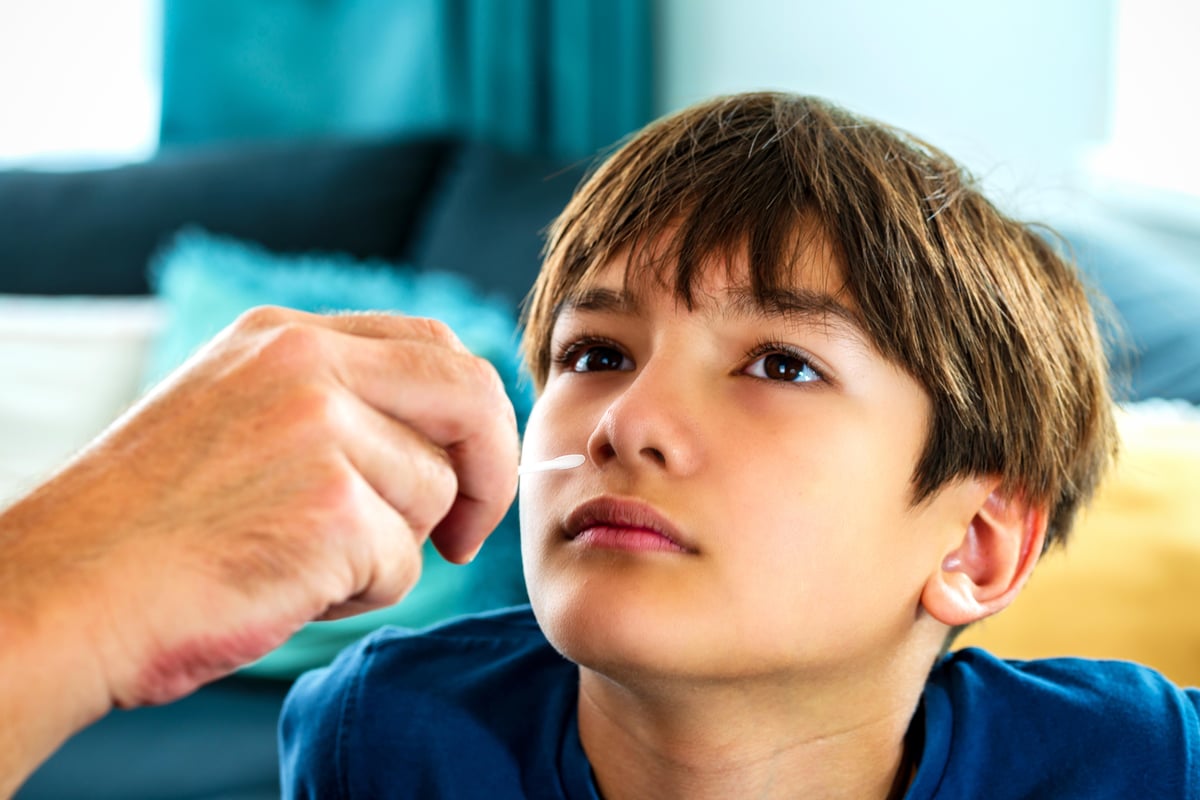
TUESDAY, Dec. 13, 2022 (HealthDay News) — In the year following severe acute respiratory syndrome coronavirus 2 (SARS-COV-2) infection, self-reported symptoms evolve in children and youth, according to a study published online Dec. 5 in The Lancet Regional Health: Europe.
Snehal M. Pinto Pereira, from the University College London, and colleagues used data from 5,086 nonhospitalized children and young people (aged 11 to 17 years; 2,909 SARS-COV-2-positive and 2,177 SARS-COV-2-negative at baseline). All participants completed questionnaires six and 12 months after polymerase chain reaction (PCR) tests performed between October 2020 and March 2021 confirming SARS-CoV-2 infection.
The researchers found that 10 of 21 symptoms had a prevalence <10 percent at baseline and six and 12 months posttest in both positive and negative cases. For the other 11 symptoms, among those testing positive and who had these symptoms at baseline, the prevalence of symptoms declined greatly by 12 months. For symptoms first described by youth at six months, there was a decline in prevalence by 12 months. For nine of 11 symptoms, overall prevalence declined by 12 months. Shortness of breath and tiredness were first described by many youth at either six or 12 months, and the overall prevalence of these two symptoms appeared to increase in those testing positive. However, the prevalence of shortness of breath and tiredness actually declined in those first describing these two symptoms at either baseline or six months when conducting within-individual examination. This pattern was also consistent in those testing negative. For validated measures of poor quality of life, emotional and behavioral difficulties, poor well-being, and fatigue, similar patterns were also seen.
“Simply reporting repeated cross-sectional prevalences — or snapshots — of symptoms over time may obscure important information about long COVID in young people that has clinical relevance,” Pereira said in a statement.
 ~16 Percent of COVID Cases Develop Postacute Sequelae of SARS-CoV-2
  Parts of the World Seeing New COVID-19 Variant
  HHS, NIH Unveil Vaccine Initiative to Protect Against Future Pandemics
  Hospital-Onset SARS-CoV-2 Infection During Omicron Linked to Morbidity
  Staffing, Scheduling, and Wage Changes Could Reattract Nurses Back to Hospitals
  Skilled Nursing Facility Capacity Declined Between 2019 and 2024
  Physical Design of Critical Care Units Influences Nursing Culture
  Low Capability Pediatric Hospitals More Than Doubled From 2003 to 2022




