



These women also have higher prevalence of neck pain, cervical radiculopathy, and obstructive sleep apnea
TUESDAY, Sept. 29, 2026 (HealthDay News) — Chronic migraine is more common among women with macromastia, according to a study published online Sept. 22 in Headache.
Kristyn Spera Pocock, M.D., from Atrium Health Wake Forest Baptist in Winston Salem, North Carolina, and colleagues evaluated the potential relationship between macromastia and chronic migraine, neck pain, cervical radiculopathy, occipital neuralgia, and obstructive sleep apnea (OSA). The analysis included 347 women with macromastia and 340 matched controls.
The researchers found that when adjusting for body mass index, demographics, and comorbid mood disorders, women with macromastia had a significantly higher prevalence for chronic migraine (adjusted prevalence ratio [aPR], 1.40), neck pain (aPR, 2.04), cervical radiculopathy (aPR, 2.38), and OSA (aPR , 1.54) versus controls. There was no association with occipital neuralgia. Only women with macromastia and neck pain were more likely to undergo reduction mammoplasty.
“Many people think of enlarged breast tissue primarily as a cosmetic issue, but our findings suggest it may be associated with a broader range of women”s health concerns,” Pocock said in a statement. “By better understanding these connections, we can help ensure women receive more comprehensive evaluations and care for symptoms that may affect their daily lives.”
Two authors disclosed ties to the pharmaceutical industry.
Abstract/Full Text (subscription or payment may be required)
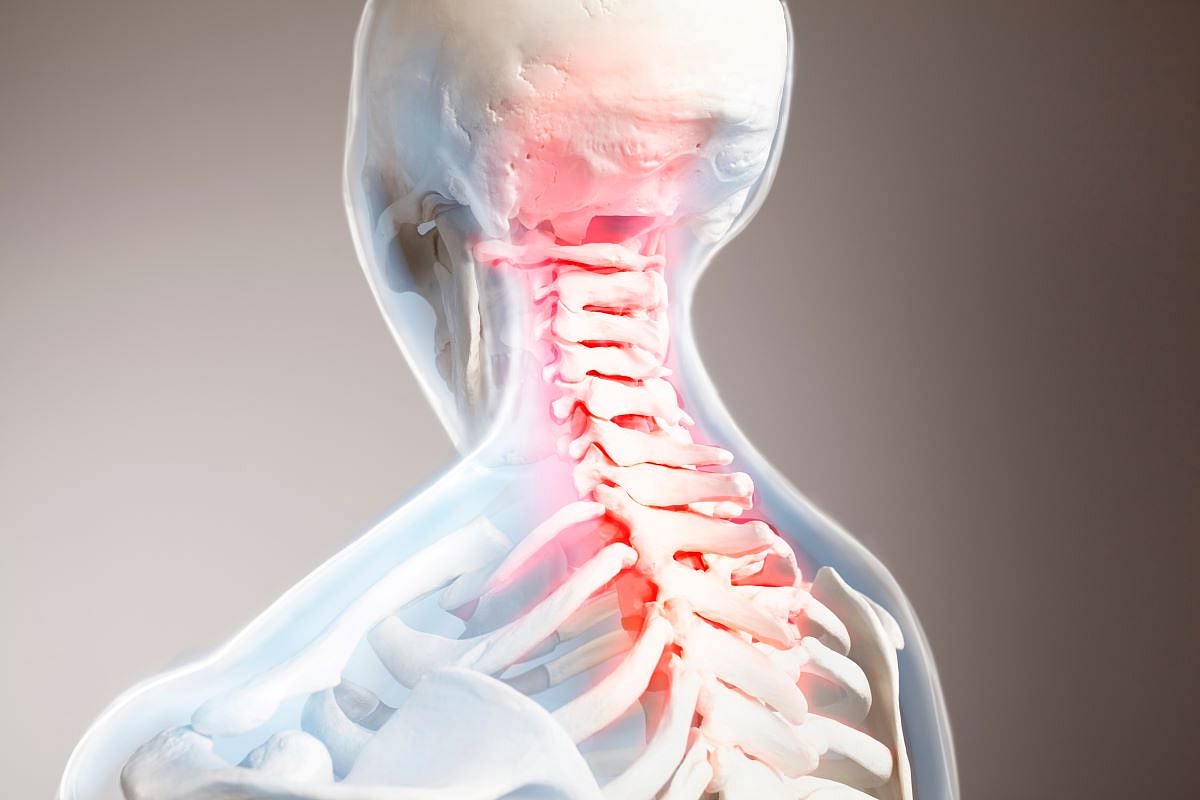 Myeloma Risk Modestly Increased in Adults With Incidentally Detected Vertebral Fracture
  Spinal Cord Stimulation Cuts Pain, Improves Sensation With Diabetic Nerve Damage
  Updated Recommendations Address Medications to Prevent Migraine in Adults
  Botox Helpful in Alleviating Chronic Migraine in Pediatric Patients
  Ultrasound-Guided Hydrodissection Yields Improvements in Carpal Tunnel
 .jpg) Considerable Gaps Reported in Care for Youth With Opioid Use Disorder
Considerable Gaps Reported in Care for Youth With Opioid Use Disorder  Physical Therapist-Supervised Exercise Improves Outcomes After ACL Reconstruction
  2013 to 2024 Saw Decrease in Benzodiazepine Prescribing




.jpg)