


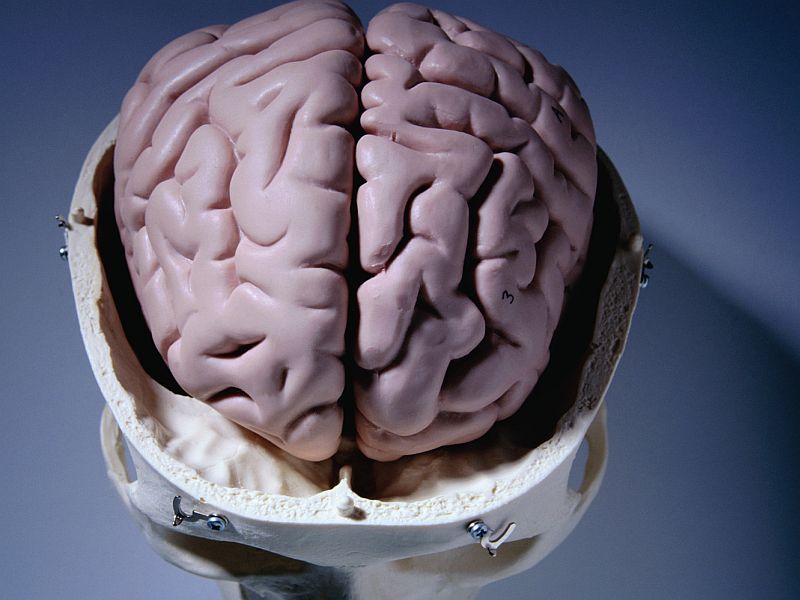
 Decreases neural responses in amygdala, regions sensitive to valence, empathic distress
MONDAY, July 16, 2018 (HealthDay News) — Compassion meditation can increase the visual preference for suffering while attenuating neural responses in regions of the brain associated with valence and empathic distress, according to a study published recently in Frontiers in Psychology.
Helen Y. Weng, Ph.D., from the University of California in San Francisco, and colleagues randomized healthy adults to two weeks of compassion or reappraisal training. Blood-oxygen-level-dependent functional magnetic resonance imaging responses were measured before and after training while participants viewed images depicting human suffering or non-suffering.
The researchers observed a correlation for increases in visual preference for suffering due to compassion training with decreases in the amygdala, which is involved in negative valence, arousal, and physiological responses typical of fear and anxiety states. The pattern was seen in the compassion group but not the reappraisal group. There was also a correlation for compassion training-related increases in visual preference for suffering with decreases in regions sensitive to valence and empathic distress, spanning the anterior insula and orbitofrontal cortex; the opposite effect was seen in the reappraisal group. Compared with engaging in reappraisal, engaging in compassion in general resulted in visual attention preference for suffering on examining visual attention alone.
“Compassion meditation may shift habits of becoming overly distressed when we encounter another’s pain,” Weng said in a statement. “People can learn a calmer and more balanced response when they see someone suffering, even when they are attending more to suffering.”
 Lower Vertebral Bone Mineral Density Linked to Cognitive Decline
  Estrogen Hormone Treatment May Be Beneficial for Brain Fog Symptoms in Menopausal Women
 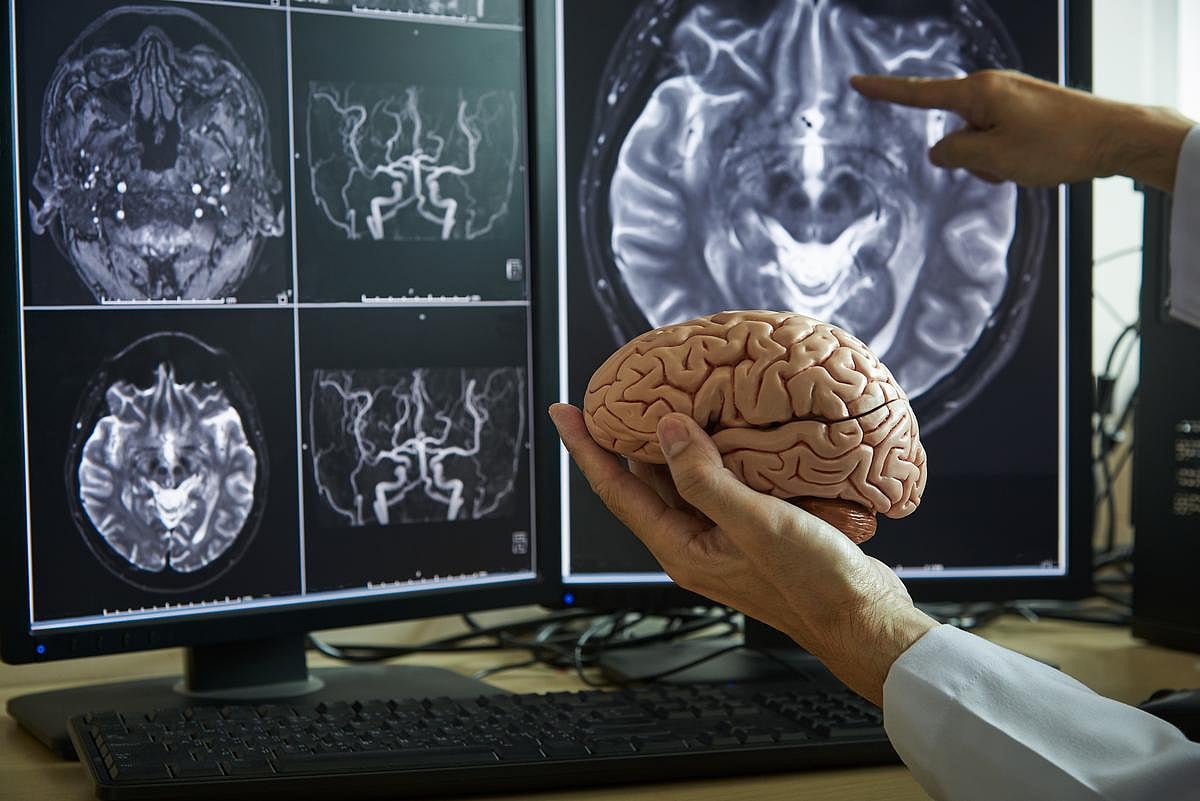 Brain Abnormalities Identified in Children at Risk for Schizophrenia
  Cortical Atrophy in Early-Onset Alzheimer Disease Signature Can Predict Progression to Dementia
 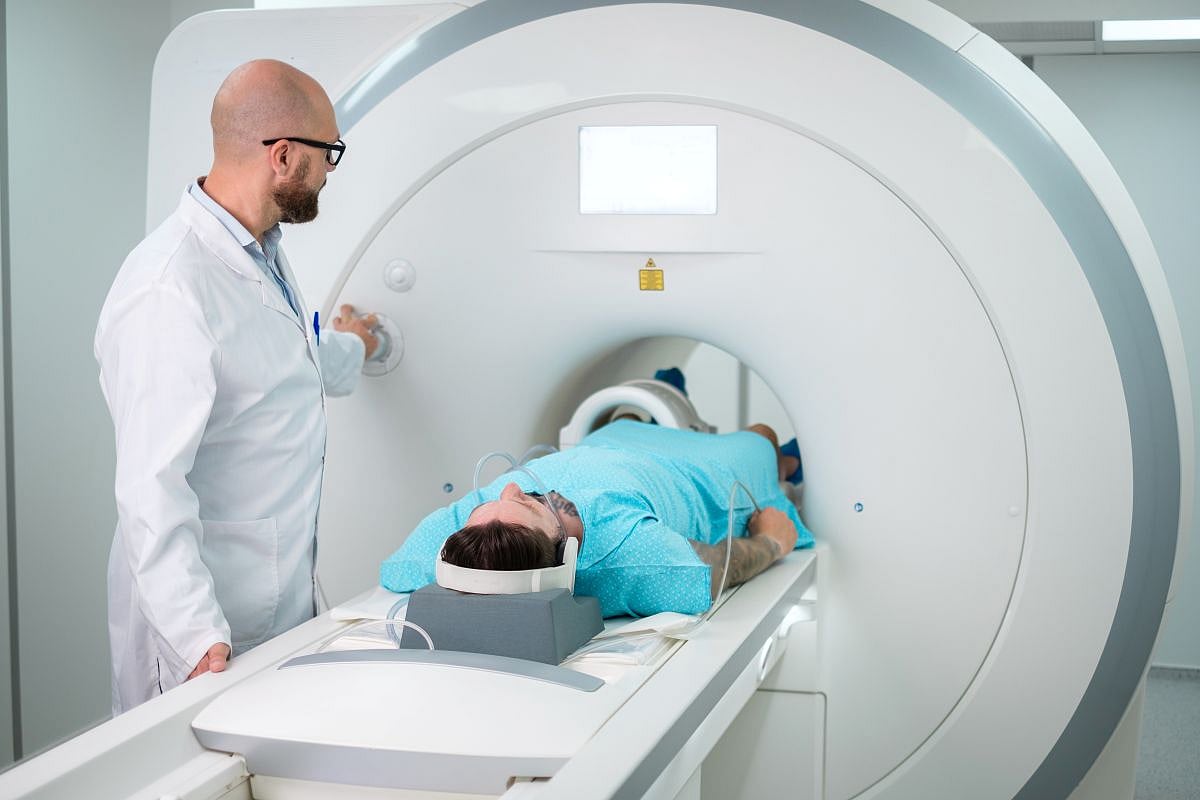 Pre-Prostate Biopsy MRI Use Increased From 2017 to 2026
  Insomnia Linked to Increased Risk for Stroke, Odds of Admission
  Increased Dementia Risk Seen After Transient Ischemic Attack
  PET/MRI Offers Diagnostic, Prognostic Value in Pediatric Epilepsy


.jpg)

