


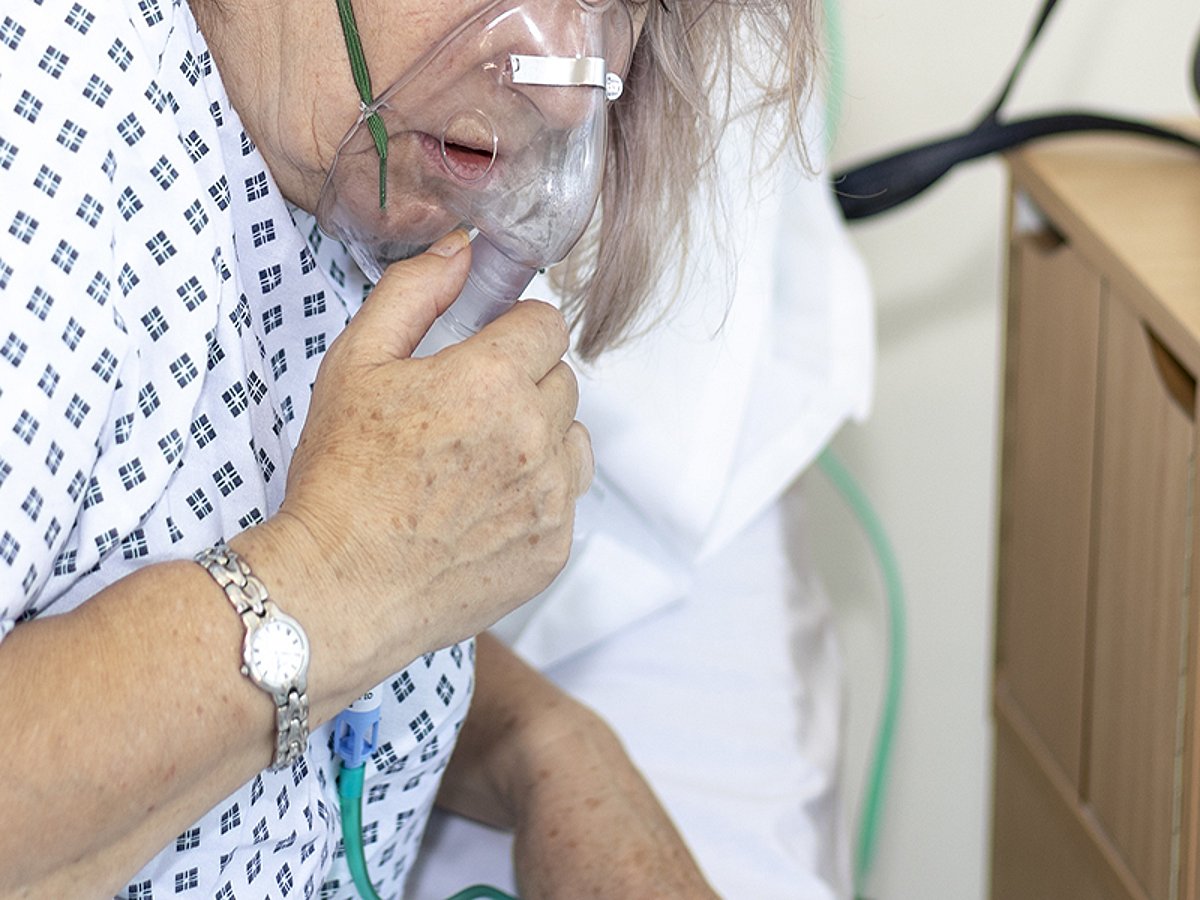
 Higher case fatality rates found to be independent of demographic factors, such as age, sex, and race
MONDAY, Oct. 5, 2020 (HealthDay News) — COVID-19-related case fatality rates are higher for patients with Parkinson disease (PD), independent of age, sex, and race, according to a research letter published online Sept. 21 in Movement Disorders.
Qiang Zhang, M.D., from the University of Iowa in Iowa City, and colleagues compared COVID-19 case fatality rates in PD patients to those of a large, demographically matched population identified using data from the TriNetX COVID-19 research network (79,049 adult COVID-19 patients, of whom 694 had PD as of July 15, 2020). Mortality data were followed until September 9, 2020.
The researchers found that 5.5 percent of non-PD patients died versus 21.3 percent of PD patients. When adjusting for age, sex, and race, the risk for dying from COVID-19 was significantly elevated in the PD group (odds ratio, 1.27). When matching five COVID-19 patients without PD to each PD patient and continuing to adjust for age, sex, and race, similar results were found (odds ratio, 1.30).
“We are all focused on COVID right now, but this is a clear example of a respiratory illness that leads to increased mortality [in PD patients]. These findings may also have implications for understanding risks for PD patients from other diseases, including influenza,” a coauthor said in a statement. “I would recommend a flu vaccine and pneumonia vaccine to try to prevent these problems in patients with PD.”
Abstract/Full Text (subscription or payment may be required)
 Physical Activity Linked to Slower Cognitive, Motor Progression in Parkinson Disease
  Emergency Diagnosis Linked to Worse Outcomes for Range of Conditions
 .jpeg) Neurodegenerative Mortality Elevated for NFL Athletes
Neurodegenerative Mortality Elevated for NFL Athletes  Bidirectional Association Found Between TBI, Neurological Diagnoses
  Drug Interactions Reducing Contraceptive Effectiveness Common in Epilepsy
  Lower Cognitive Functioning During 60s Linked to Subsequent Stroke Risk
  Insomnia Linked to Increased Risk for Stroke, Odds of Admission
  Increased Dementia Risk Seen After Transient Ischemic Attack



.jpg)