



Isolation, loneliness, stress, and economic challenges tied to poor mental health and substance misuse
FRIDAY, July 22, 2022 (HealthDay News) — Stress and isolation caused by the COVID-19 pandemic are associated with psychosocial health problems among a diverse group of adolescents, according to a study published online July 13 in the Journal of Adolescent Health.
Jeff R. Temple, Ph.D., from the University of Texas Medical Branch Health in Galveston, and colleagues assessed whether COVID-19-induced financial impact, stress, loneliness, and isolation were related to perceived changes in adolescent mental health and substance use. The analysis included 1,188 adolescents (Black: 23 percent; Hispanic: 41 percent) recruited from 12 Texas public middle schools.
The researchers found that COVID-19-induced stress and loneliness were linked to depression and anxiety. There were fewer symptoms of depression among adolescents who did not limit their physical interactions due to COVID-19. Adolescents who did not restrict their socializing were substantially more likely to report using a variety of substances (e.g., for episodic heavy drinking; odds ratio, 1.81). There was an association observed between increased use of a food bank and depression, and a negative change in financial situation was associated with increased alcohol use (odds ratio, 0.70).
“Substantial structural, community, school, and individual level resources are needed to mitigate the impact of the COVID-19 pandemic on adolescent psychosocial health,†the authors write.
.jpg) Considerable Gaps Reported in Care for Youth With Opioid Use Disorder
Considerable Gaps Reported in Care for Youth With Opioid Use Disorder  2013 to 2024 Saw Decrease in Benzodiazepine Prescribing
  Childhood Cancer Survivors Often Have Mental Distress in Adulthood
 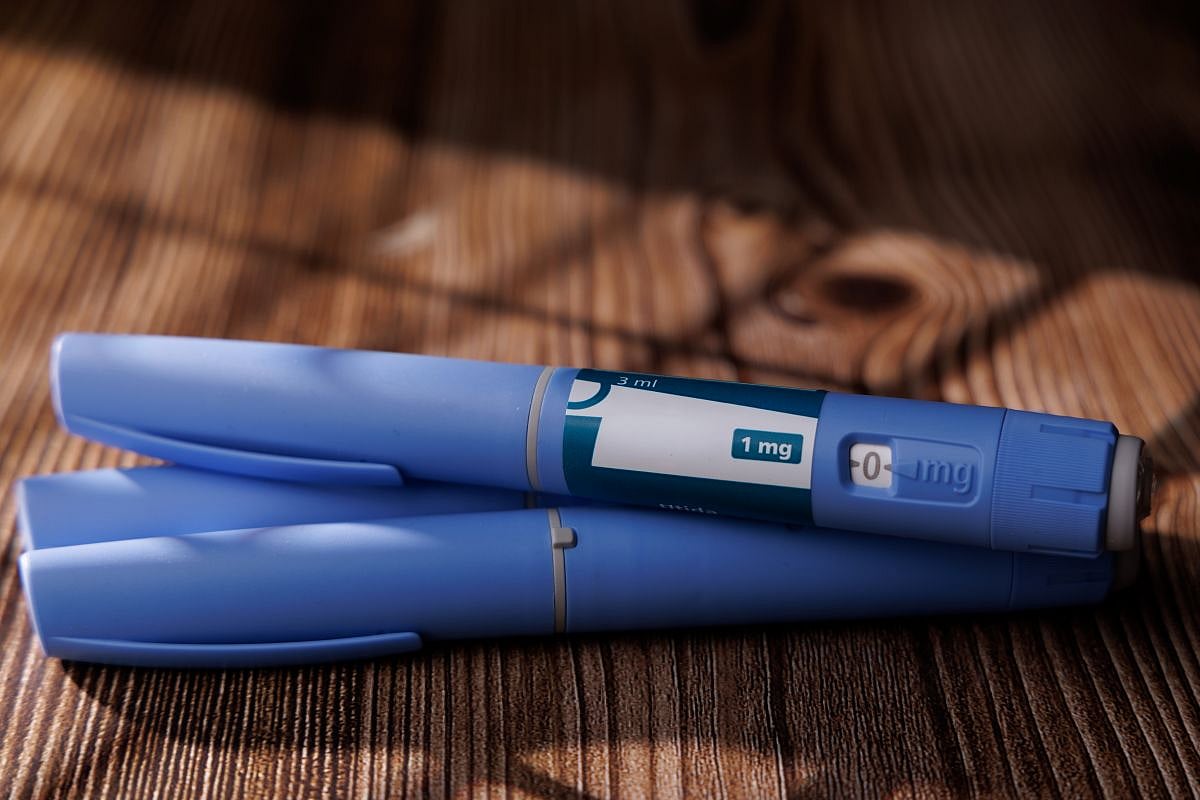 Nutritional Deficiencies Seen in Youth Taking GLP-1 Receptor Agonists
  Eating More Ultraprocessed Foods Heightens Risk for Chronic Diseases
 .jpg) Mortality Lowest at Hemoglobin Concentrations Above WHO Thresholds
Mortality Lowest at Hemoglobin Concentrations Above WHO Thresholds  Oral Vitamin C Active in Clonal Cytopenia of Undetermined Significance
  2009 to 2023 Saw Surge in Probiotic Supplement Use




.jpg)