 Only 12.6 percent of patients completely free of any COVID-19-related symptoms
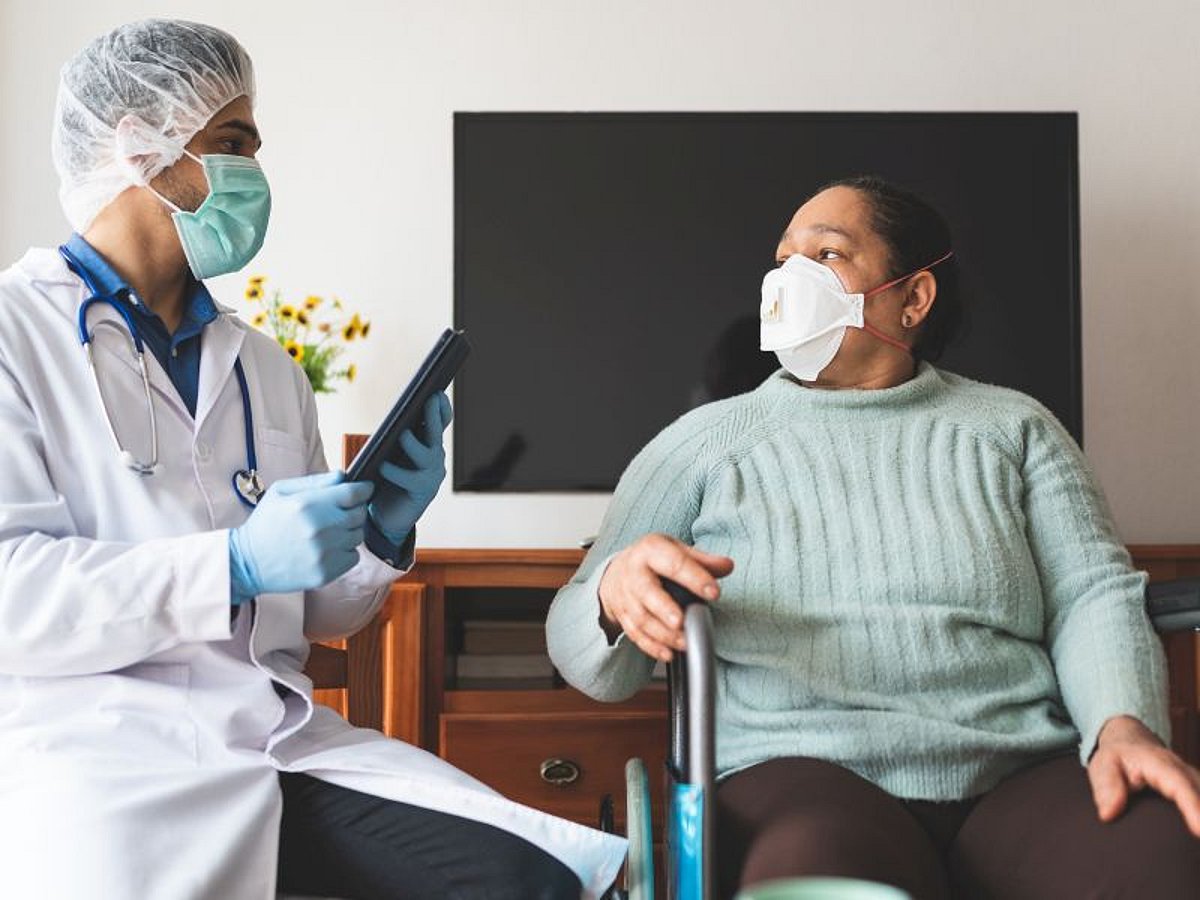
MONDAY, July 13, 2020 (HealthDay News) — Most patients who have recovered from COVID-19 report persistence of at least one symptom, according to a research letter published online July 9 in the Journal of the American Medical Association.
Angelo Carfi, M.D., from Fondazione Policlinico Universitario Agostino Gemelli IRCCS in Rome, and colleagues followed up on patients who met World Health Organization criteria for discontinuation of quarantine beginning April 21, 2020. Data were collected on all clinical characteristics, including clinical and pharmacological history, lifestyle factors, vaccination status, and body measurements.
Data were included for 143 patients, with a mean age of 56.5 years. The researchers found that 72.7 percent of participants had evidence of interstitial pneumonia during hospitalization. The mean length of hospital stay was 13.5 days; 15 and 5 percent of patients received noninvasive and invasive ventilation, respectively. At the time of evaluation (mean of 60.3 days after onset of the first COVID-19 symptom), only 12.6 percent of patients were completely free of any COVID-19-related symptom; 32 and 55 percent had one or two and three or more symptoms, respectively. No patients had fever or symptoms of acute illness. Among 44.1 percent of patients, worsened quality of life was observed. Overall, 53.1, 43.4, 27.3, and 21.7 percent of patients reported fatigue, dyspnea, joint pain, and chest pain, respectively.
“Clinicians and researchers have focused on the acute phase of COVID-19, but continued monitoring after discharge for long-lasting effects is needed,” the authors write.
 ~16 Percent of COVID Cases Develop Postacute Sequelae of SARS-CoV-2
  Parts of the World Seeing New COVID-19 Variant
  HHS, NIH Unveil Vaccine Initiative to Protect Against Future Pandemics
  Hospital-Onset SARS-CoV-2 Infection During Omicron Linked to Morbidity
  Staffing, Scheduling, and Wage Changes Could Reattract Nurses Back to Hospitals
  Skilled Nursing Facility Capacity Declined Between 2019 and 2024
  Physical Design of Critical Care Units Influences Nursing Culture
  Low Capability Pediatric Hospitals More Than Doubled From 2003 to 2022