


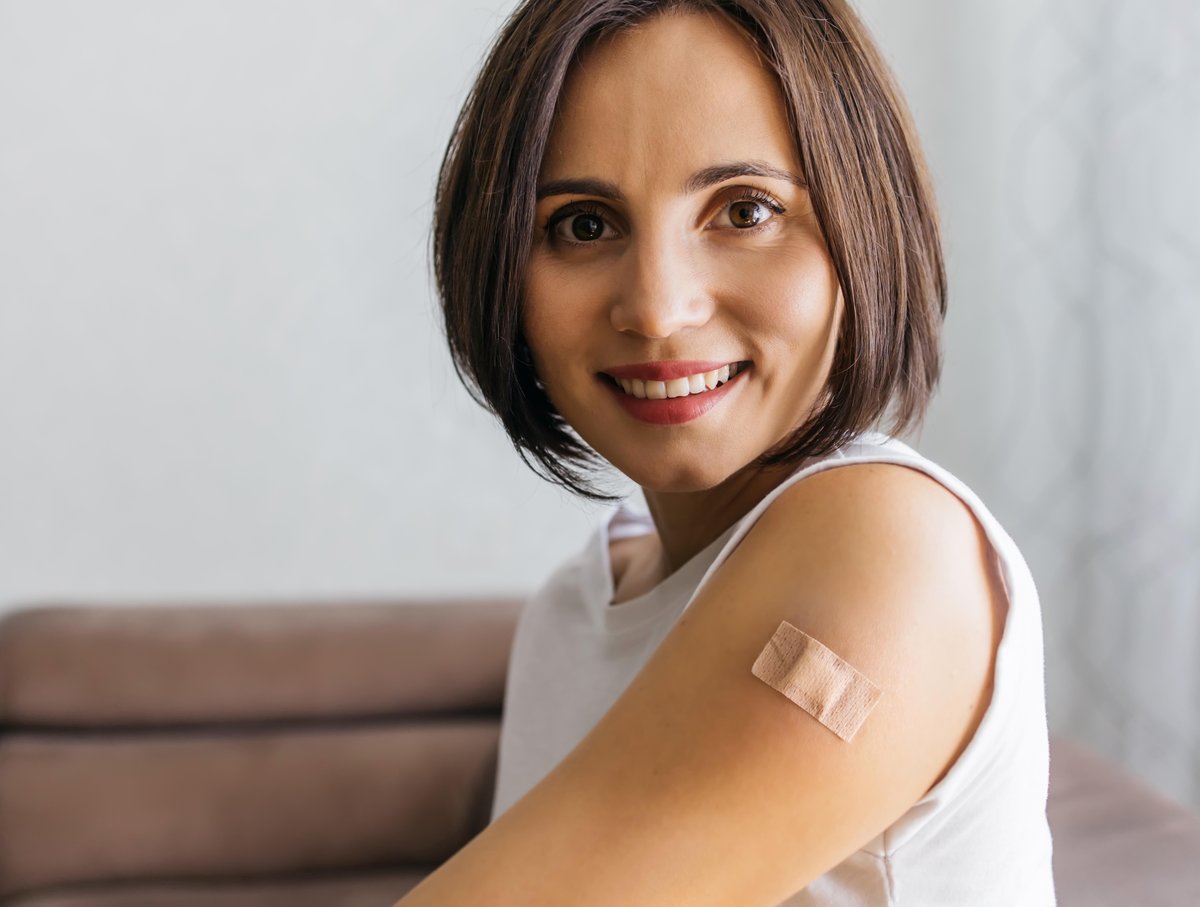
Difference in change in cycle length between vaccinated and unvaccinated cohorts less than one day in adjusted models
MONDAY, Jan. 10, 2022 (HealthDay News) — COVID-19 vaccination is associated with a small change in menstrual cycle length, but not in menses length, according to a study published online Jan. 5 in Obstetrics & Gynecology.
Alison Edelman, M.D., M.P.H., from the Oregon Health & Science University in Portland, and colleagues prospectively tracked menstrual cycle data among U.S. residents aged 18 to 45 years with normal cycle lengths (24 to 38 days) for three consecutive cycles before the first vaccine dose and three additional cycles following the first dose (including the vaccination cycle), or for six cycles over a similar time period among unvaccinated individuals. The mean within-individual change in cycle and menses length was calculated among 3,959 individuals (2,403 vaccinated and 1,556 unvaccinated).
The researchers found that compared with prevaccine cycles, the COVID-19 vaccine was associated with a less than one-day change in cycle length for both vaccine dose cycles (first dose, 0.71-day increase; second dose, 0.91-day increase). No significant change was seen in cycles 4 and compared with three baseline cycles among unvaccinated individuals. For both vaccine doses, the difference in change in cycle length between the vaccinated and unvaccinated cohorts was less than one day in adjusted models (difference in change: first dose, 0.64 days; second dose, 0.79 days). There was no association seen for change in menses length with vaccination.
“Our findings are reassuring; we find no population-level clinically meaningful change in menstrual cycle length associated with COVID-19 vaccination,” the authors write. “Our findings support and help explain the self-reports of changes in cycle length.”
Several authors disclosed financial ties to the pharmaceutical and other industries.
 Nearly 3 in 4 Older Adults Express Interest in Vaccine to Prevent Dementia
  Updated COVID-19 Shot Beneficial for Those With Autoimmune Rheumatic Disease
  AAP Issues Recommendations for Pediatric RSV Vaccination in 2026-2027 Season
  Trends Reported in Vaccination Coverage for Adolescents for 2025
 .jpg) Considerable Gaps Reported in Care for Youth With Opioid Use Disorder
Considerable Gaps Reported in Care for Youth With Opioid Use Disorder  Nutritional Deficiencies Seen in Youth Taking GLP-1 Receptor Agonists
  Youth Suicide Risk Linked to Community Firearm Violence
  Social Media Warnings Could Discourage Use Among Teens, Young Adults


.jpg)

