



No differences seen in fertilization or pregnancy rates between vaccinated, unvaccinated women
THURSDAY, March 17, 2022 (HealthDay News) — Receipt of a COVID-19 mRNA vaccine does not affect the ovarian response or pregnancy rates in in vitro fertilization (IVF) treatment, according to a study published online Feb. 25 in Fertility and Sterility.
Sarit Avraham, M.D., from Shamir Medical Center in Tel Aviv, Israel, and colleagues analyzed 400 patients (200 vaccinated women and 200 age-matched unvaccinated women) undergoing IVF during January to April 2021.
The researchers observed no difference between vaccinated and unvaccinated patients in mean number of oocytes retrieved per cycle (10.63 versus 10.72). For patients undergoing fresh embryo transfers (128 vaccinated patients and 133 unvaccinated), there was no difference seen in clinical pregnancy rates (32.8 versus 33.1 percent), fertilization rate, or the quality of transferred embryos. The groups were also found to be similar with respect to fertilization rates and the mean number of cryopreserved embryos in freeze-all cycles.
“Women should be vaccinated for COVID-19 prior to attempting to conceive via IVF treatments, given the higher risk of severe illness in pregnant women,” the authors write.
Abstract/Full Text (subscription or payment may be required)
 Nearly 3 in 4 Older Adults Express Interest in Vaccine to Prevent Dementia
  Updated COVID-19 Shot Beneficial for Those With Autoimmune Rheumatic Disease
  Trends Reported in Vaccination Coverage for Adolescents for 2025
  AAP Issues Recommendations for Pediatric RSV Vaccination in 2026-2027 Season
  4CMenB Vaccine Confers Modest Protection Against Gonorrhea in Teens
 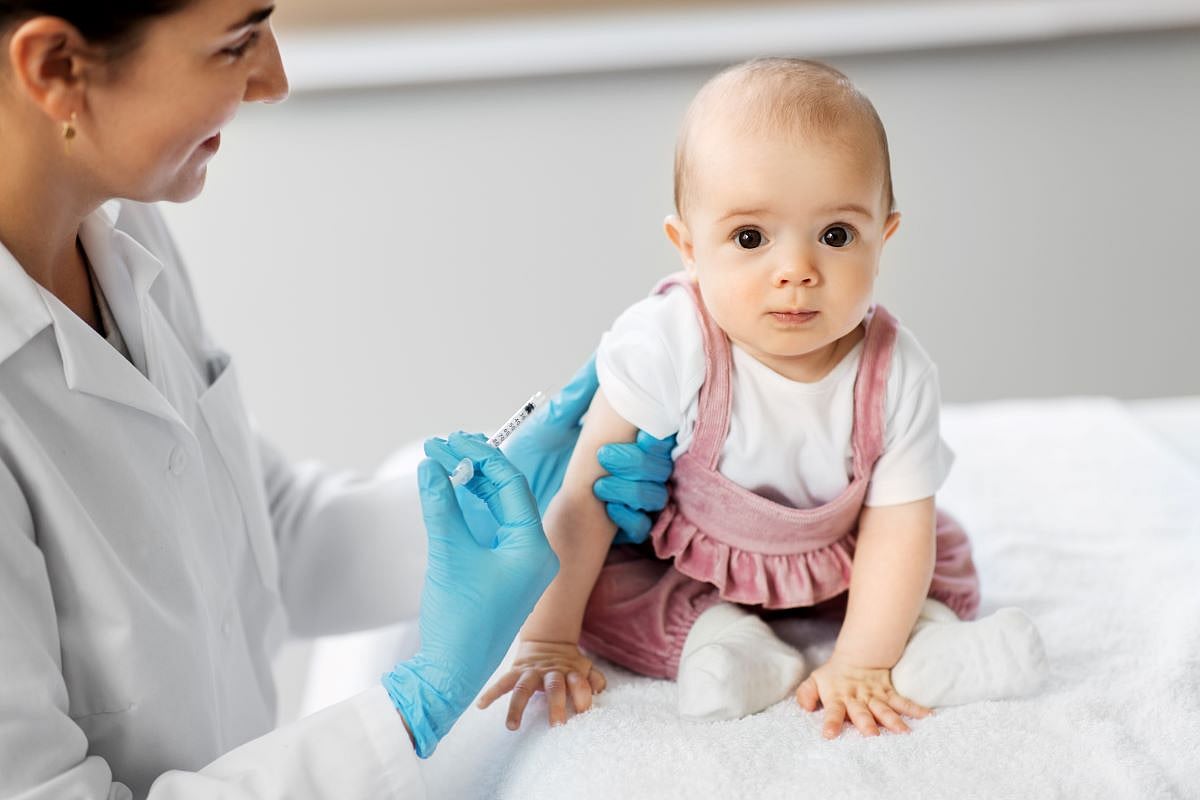 AAP Releases Influenza Vaccine Recommendations for All Children 6 Months and Older
  Adverse Event Risk Not Up With Same Day COVID-19, Flu Vaccination
.jpg)


.jpg)