


SARS-CoV-2 mRNA vaccination within 100 days of ICI initiation was associated with increased overall survival in patients with NSCLC or metastatic melanoma
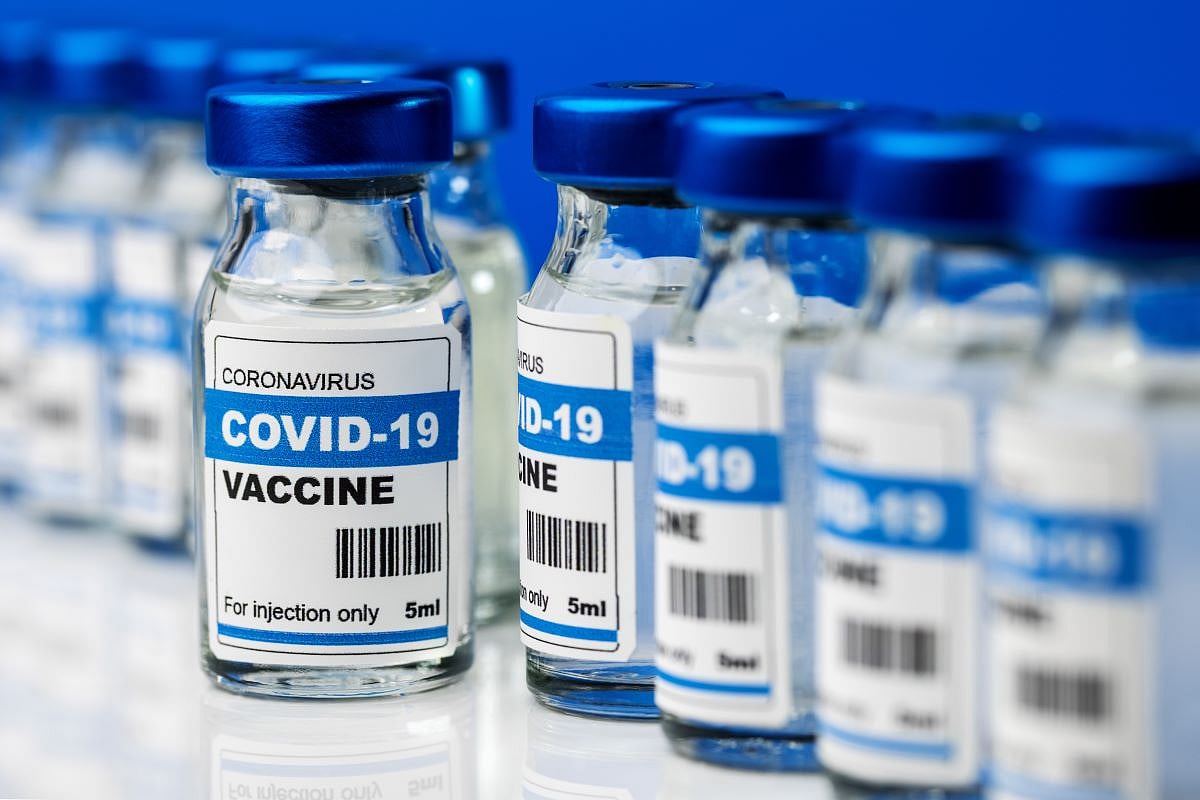
TUESDAY, Oct. 28, 2025 (HealthDay News) — For patients with certain types of advanced lung or skin cancer, administration of severe acute respiratory syndrome coronavirus-2 (SARS-CoV-2) mRNA vaccine within 100 days of starting immune checkpoint inhibitors (ICIs) is associated with increased overall survival, according to a study presented at the annual meeting of the European Society for Medical Oncology, held from Oct. 17 to 21 in Berlin.
Adam J. Grippin, M.D., Ph.D., from the University of Texas MD Anderson Cancer Center, and colleagues extracted data for patients with non-small cell lung cancer (NSCLC), melanoma treated with ICIs, and any tumor histology with biopsy samples evaluating programmed death-ligand 1 (PD-L1) to examine whether mRNA vaccines targeting nontumor antigens would sensitize tumors to ICIs.
The researchers found that for patients with NSCLC and metastatic melanoma, administration of a SARS-CoV-2 mRNA vaccine within 100 days of ICI initiation was associated with increased overall survival (adjusted hazard ratios, 0.51 and 0.34, respectively). With propensity score matching and among patients with immunologically cold tumors (tumor proportion score <1 percent), survival benefits were maintained. SARS-CoV-2 mRNA vaccination stimulated a surge in type I interferon in preclinical models; this prompted antigen-presenting cells to prime CD8 T cells to upregulate PD-L1 expression. Similar increases in type I interferon and antigen-presenting cell activation were seen in association with SARS-CoV-2 mRNA vaccination in humans, and increased PD-L1 expression was seen on tumor biopsies from patients with cancer.
“We could design an even better nonspecific vaccine to mobilize and reset the immune response, in a way that could essentially be a universal, off-the-shelf cancer vaccine for all cancer patients,” coauthor Elias Sayour, M.D., Ph.D., from University of Florida Health, said in a statement.
Several authors disclosed ties to the biopharmaceutical industry; three hold patents related to the University of Florida-developed mRNA vaccines that are licensed by iOncology Inc.
 Exercise Intervention Linked to Improved Attention, Memory in Breast Cancer
 .jpg) Cancer Survivors Have Lower Levels of Physical Activity
Cancer Survivors Have Lower Levels of Physical Activity  Childhood Cancer Survivors Often Have Mental Distress in Adulthood
  Rheumatic Immune-Related AEs With Immune Checkpoint Inhibitors More Severe Than Previously Reported
  Holding DMARDs at Time of COVID-19 Vaccine Not Warranted in Those With Inflammatory Arthritis
  Updated COVID-19 Shot Beneficial for Those With Autoimmune Rheumatic Disease
  Distinct Characteristics ID"d for Patients With Rheumatoid Conditions, Opioid Use Disorder
  Exposure to Air Pollutants Linked to Increased RA Disease Activity
.jpg)



