


Role of cumulative lifetime excess weight greater than role of excess BMI measured at a single time point
FRIDAY, March 18, 2022 (HealthDay News) — Cumulative lifetime excess weight has a greater impact on colorectal cancer (CRC) risk than excess weight at a single time point, according to a study published online March 17 in JAMA Oncology.
Xiangwei Li, from the German Cancer Research Center in Heidelberg, and colleagues examined the association of cumulative lifetime excess weight with the risk for CRC in a population-based, case-control study. Height and self-reported weight were documented in 10-year increments starting at age 20 years to current age for 5,635 individuals with CRC and 4,515 controls. Body mass index (BMI) was calculated for each year of age from 20 years to current age. At each year of age, excess BMI (eBMI) was determined as BMI − 25 and was summed across ages to obtain the weighted number of years lived with overweight or obesity (WYOs).
The researchers observed an association between WYOs and CRC risk: Compared with individuals who remained within the normal weight range, the adjusted odds ratios increased from 1.25 to 2.54 from the first to the fourth quartile of WYOs. The risk for CRC increased 55 percent for each standard deviation increment in WYOs (adjusted odds ratio, 1.55). This increase was greater than the per-standard deviation increase of eBMI at a single time point.
“Excess weight may have substantially higher odds ratios associated with CRC risk than previously disclosed by epidemiologic studies that had mostly considered weight at a single point of time,” the authors write.
Abstract/Full Text (subscription or payment may be required)
 Surveillance Colonoscopy at Five Years After Adenoma Removal Noninferior to Three Years
 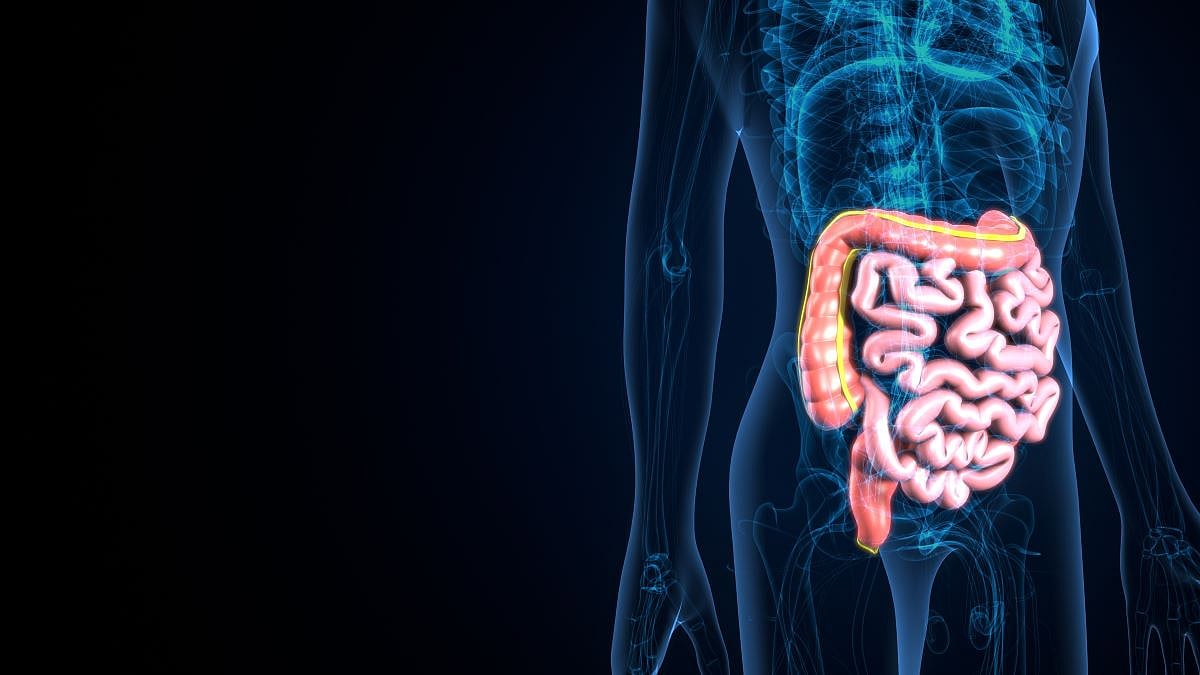 Family History of CRC Increases CRC Risk Similarly in IBD, General Population
 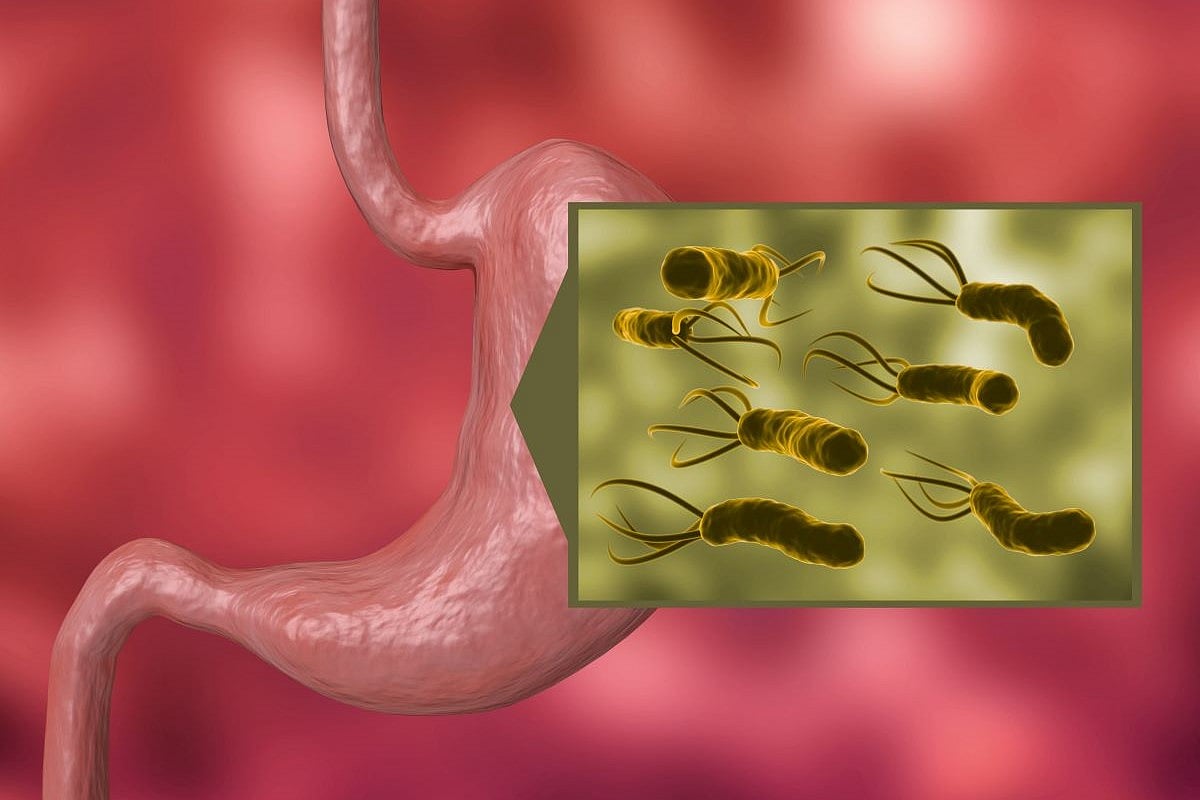 H. Pylori Exposure May Contribute to Global Burden of Colorectal Cancer
  Lower Breast, Cervical Cancer Screening Seen for Adults With Disabilities
  Gap Found Between Awareness of Breast Cancer Risk and Risk-Reducing Behavior
  Pre-Prostate Biopsy MRI Use Increased From 2017 to 2026
  Exercise Intervention Linked to Improved Attention, Memory in Breast Cancer
  Dense Breast Notification Linked to Increase in Use of Supplemental Ultrasound
 .jpg)




