



However, screening of high-risk individuals for lung cancer is still low at 5.8 percent nationally
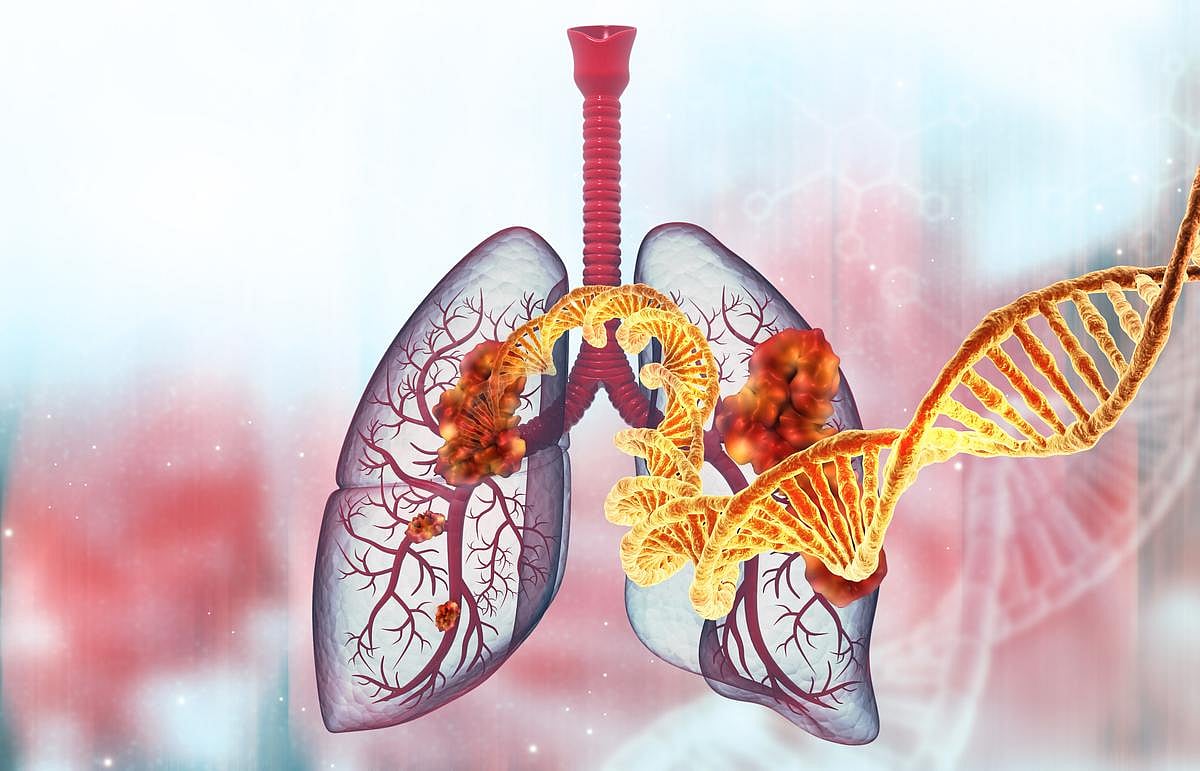
TUESDAY, Nov. 22, 2022 (HealthDay News) — The number of new cases of lung cancer decreased over the last five years, but screening rates are still low, according to a report published by the American Lung Association.
Researchers from the American Lung Association examined the incidence of lung cancer in 2022, focusing on lung cancer screening, treatment, and survival rates.
The authors note that about 237,000 people will be diagnosed with lung cancer in 2022, with the rate of new cases varying by state, from the lowest rate in Utah to the highest in Kentucky. The number of new cases decreased 11 percent nationally over the last five years. The national average of people alive at five years after lung cancer diagnosis is 25 percent, which represents an improvement of 21 percent over the last five years. Nationally, only 26 percent of cases are diagnosed at an early stage and 44 percent are not diagnosed until a late stage. During the last five years, early diagnosis rates increased 17 percent. If diagnosed at an early stage, lung cancer can be treated with surgery. Overall, 21 percent of cases underwent surgery nationally, which was an improvement of 4 percent over the last five years. Twenty-one percent of cases did not receive any treatment; over the last five years, treatment rates improved 15 percent. Only 5.8 percent of individuals at high risk for lung cancer underwent screening nationally. Racial disparities were found to be prevalent in lung cancer care.
“Increased lung cancer survival is attributable to advancements in research, better treatments, and other factors; however, lung cancer screening is the most immediate opportunity we have to save lives,” Harold Wimmer, national president and chief executive officer for the American Lung Association, said in a statement.
 Gene Mutation Identified That Increases Lung Cancer Risk
  Thymic Radiation Linked to Worse Outcomes in Patients With NSCLC
  Lung Transplant Can Prolong Survival in Stage IV NSCLC
  Risk-Based Strategies Superior to USPSTF Criteria for Lung Cancer Screening
  Urine Cell-Free RNA Shows Promise as Biomarker for Bladder Cancer
  Pre-Prostate Biopsy MRI Use Increased From 2017 to 2026
  U.S. Adults May Not Understand Their Risk for Vascular Disease
  Autism Spectrum Disorder Diagnoses Increased for Females Since 2020


.jpg)

