


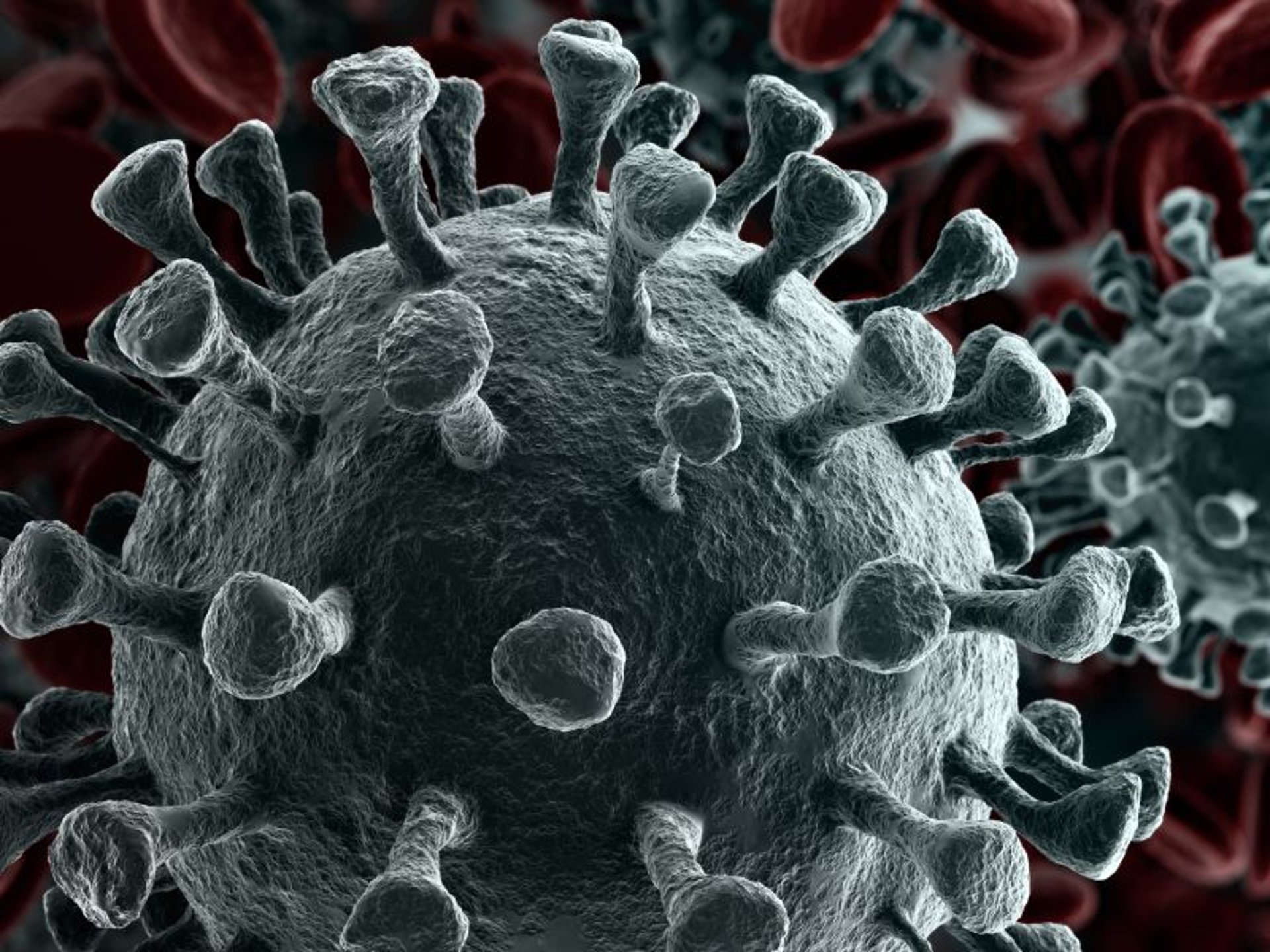
 Depression, anxiety linked to loss of smell, taste in COVID-19; results suggest virus may affect nervous system
WEDNESDAY, July 29, 2020 (HealthDay News) — Depression and anxiety exhibited in COVID-19 patients may be a sign that the virus impacts the central nervous system, as these symptoms are closely associated with a loss of smell and taste rather than more severe manifestations of the virus, according to a study published online July 2 in The Laryngoscope.
Marlene M. Speth, M.D., from Kantonsspital Aarau in Switzerland, and colleagues conducted a prospective, cross-sectional telephone questionnaire study to evaluate the existence and severity of symptoms exhibited by 114 COVID-19 positive patients. Two questionnaires were used to measure depression and anxiety levels among participants, both before and after COVID-19 diagnosis. The authors also assessed the severity of loss of smell or taste, nasal obstruction, excessive mucus production, fever, cough, and shortness of breath among participants during COVID-19 infection. Their objective was to determine if depression and anxiety symptoms among COVID-19 patients are linked to other disease characteristics.
The researchers found that depression and anxiety were most closely associated with a loss of smell and taste rather than the more severe symptoms of COVID-19, like shortness of breath, fever, and cough, which are more likely to be a sign of severe illness or death. The association between these psychological symptoms and loss of smell and taste may indicate a novel conclusion: Depression and anxiety in COVID-19 patients is a sign that the virus is affecting the central nervous system.
“These symptoms of psychological distress, such as depressed mood and anxiety, are central nervous system symptoms if they are associated only with how diminished is your sense of smell,” a coauthor said in a statement. “This may indicate that the virus is infecting olfactory neurons, decreasing the sense of smell, and then using the olfactory tract to enter the central nervous symptom.”
Abstract/Full Text (subscription or payment may be required)
 Better Youth Fitness May Lower Risk for Depression in Adulthood
 .jpg) Pregnancy Complications Linked to Subsequent Risk for Cardiometabolic-Renal Conditions
Pregnancy Complications Linked to Subsequent Risk for Cardiometabolic-Renal Conditions  Childhood Cancer Survivors Often Have Mental Distress in Adulthood
  2016 to 2024 Saw Increase in Patients Using Medical Cannabis
  Ultrasound-Guided Hydrodissection Yields Improvements in Carpal Tunnel
  Financial Incentives Boost Tobacco Abstinence in Underserved Adults
  2013 to 2024 Saw Decrease in Benzodiazepine Prescribing
  Physical Therapist-Supervised Exercise Improves Outcomes After ACL Reconstruction


.jpg)

