


Findings seen for children in both lower and upper elementary grades, although differences seen by sex and age
TUESDAY, Jan. 10, 2023 (HealthDay News) — Elementary school-age children with developmental disorders are more likely to have allergic diseases, according to a study published in the January issue of Pediatrics International.
Masafumi Zaitsu, M.D., Ph.D., from the National Hospital Organization Ureshino Medical Center in Japan, and colleagues assessed the prevalence of allergic diseases in elementary school-age children with developmental disorders by grade and sex. The analysis included 446 lower-grade and 312 upper-grade elementary school-age children.
The researchers found that the prevalence of allergic diseases was significantly higher in lower-grade boys and girls with developmental disorders versus those without developmental disorders (odds ratios, 3.22 and 3.87 for boys and girls, respectively). Similar results were seen for higher-grade boys with developmental disorders versus those without (OR, 3.46). Among children in lower grades, attention-deficit/hyperactivity disorder (ADHD) correlated with bronchial asthma (adjusted OR, 3.72), while autism spectrum disorder correlated with atopic dermatitis (adjusted OR, 4.26). For children in the upper grades, ADHD correlated with atopic dermatitis (adjusted OR, 5.06).
“Understanding the relationship between developmental disorders and allergic diseases may lead to better medical care for both diseases,” the authors write.
Abstract/Full Text (subscription or payment may be required)
 Low Levels of Placental Growth Factor in Pregnancy Linked to Subsequent ADHD in Offspring
  Better Youth Fitness May Lower Risk for Depression in Adulthood
 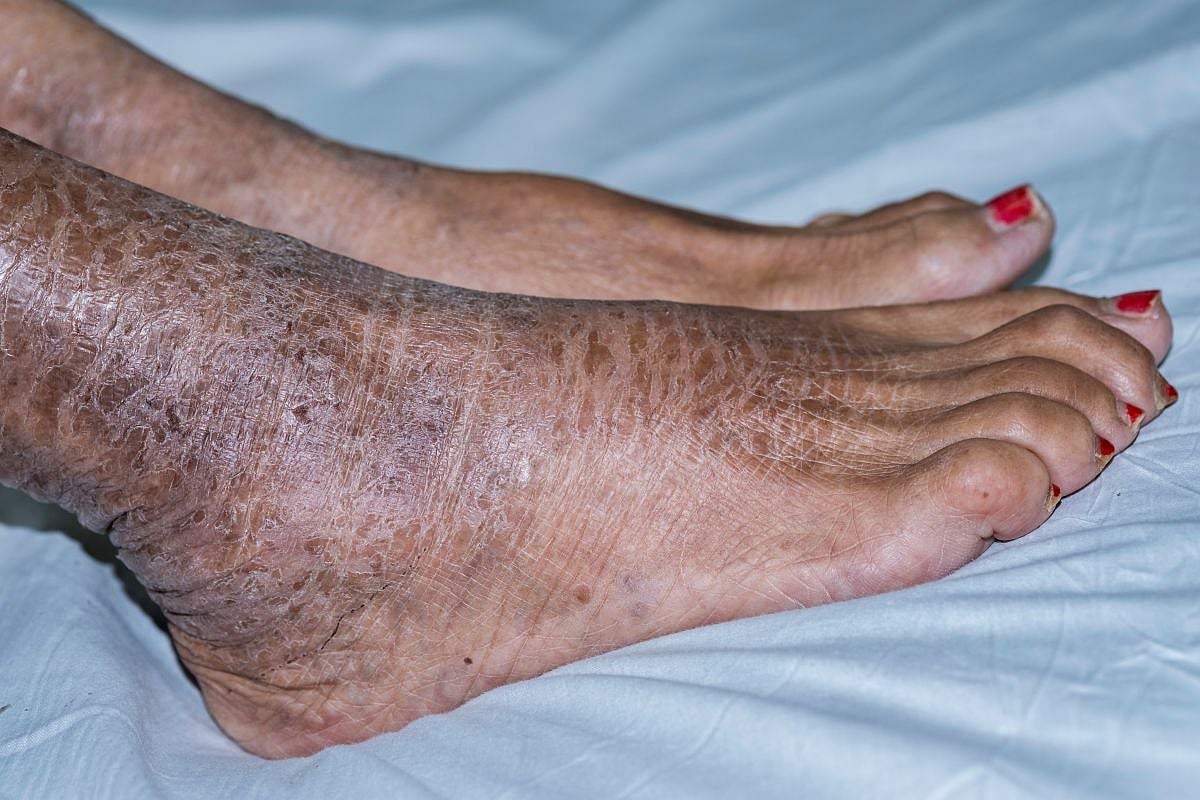 Congenital Ichthyosis Linked to Allergic Disorders
  Mom"s Poor Sleep in Late Pregnancy Linked to Offspring"s Obesity Risk in Early Childhood
  Recommendations Issued for Use of Incretin-Based Meds in Pregnancy
  Maternal Vitamin D Status Linked to Preterm Delivery
  IBD Not Linked to Risk for Hypertensive Disorders of Pregnancy Overall



.jpg)
