


Review finds that cutting omega-6 fatty acids that promote inflammation may be one promising strategy
FRIDAY, Oct. 14, 2022 (HealthDay News) — An alteration in diet may help lessen menstrual pain, according to research presented at the annual meeting of the North American Menopause Society, held from Oct. 12 to 15 in Atlanta.
Serah Sannoh, from Rutgers University in New Brunswick, New Jersey, conducted a literature review to identify studies evaluating the relationship between menstrual pain and specific diets.
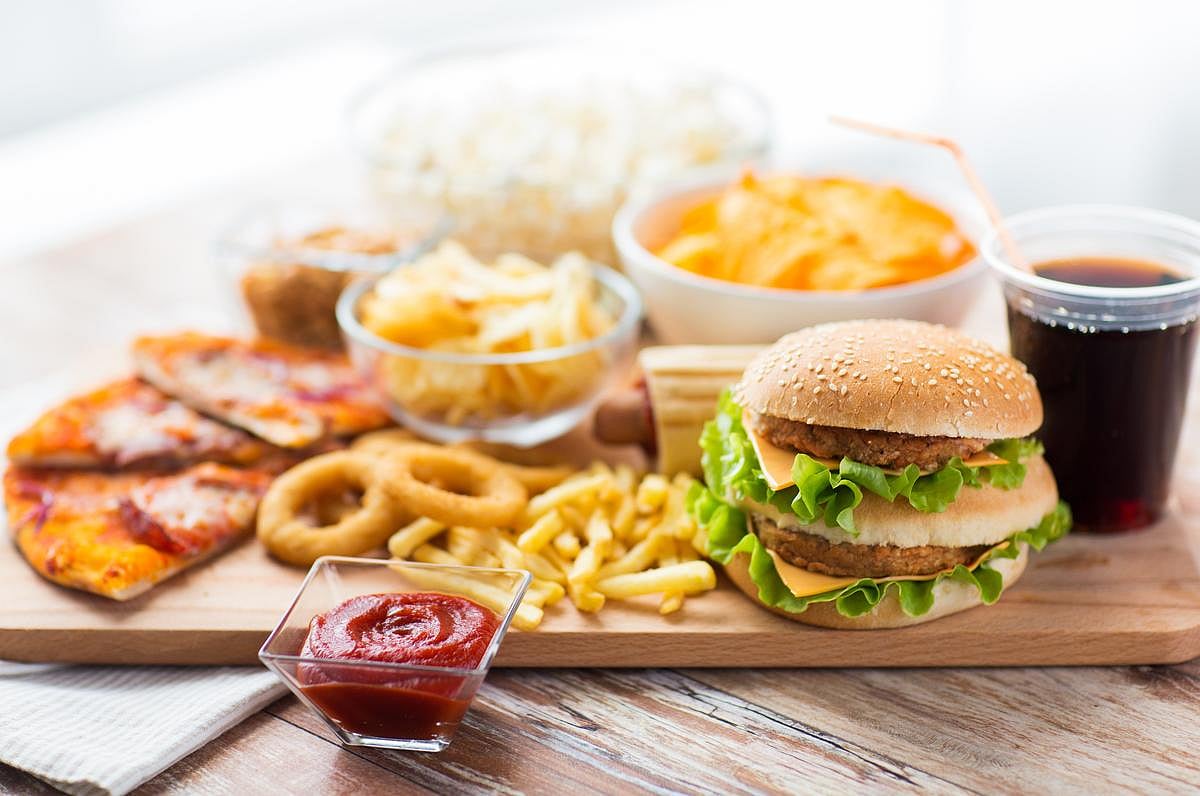
Sannoh found that diets high in animal meats, oil, sugars, salts, and coffee contributed to an increased risk of dysmenorrhea. Foods high in omega-6 fatty acids promoted inflammation, while foods high in omega-3 fatty acids reduced inflammation. Since the American diet is typically high in omega-6 fatty acids, and since menstrual pain results from inflammation, Sannoh suggested that a diet that balances omega-6 and omega-3 fatty acids may promote the reduction of menstrual pain.
“Diet is one of the many contributors to health outcomes that is often overlooked,” Sannoh said in a statement. “I am hopeful that this research can help those who menstruate reduce the pain they experience and shed light on the importance of holistic treatment options.”
 Recommendations Issued for Use of Incretin-Based Meds in Pregnancy
  Eating More Ultraprocessed Foods Heightens Risk for Chronic Diseases
  Nutritional Deficiencies Seen in Youth Taking GLP-1 Receptor Agonists
  2009 to 2023 Saw Surge in Probiotic Supplement Use
  1 in 3 With Lupus Take Supplements, Medications With Potential for Interactions
  High-Dose Omega-3 Linked to A-Fib Risk in Patients With High CVD Risk
  Docosahexaenoic Acid Supplement Does Not Improve Cognitive Performance
  Sugar-Sweetened Beverage, Fruit Juice Intake Linked to Hypertension Risk




