


Students pursuing dermatology have lower odds of intending to care for underserved populations, practice in underserved areas
WEDNESDAY, Nov. 16, 2022 (HealthDay News) — Diversity gaps persist in the dermatology workforce pipeline, according to a study published online Nov. 16 in JAMA Dermatology.
Yi Gao, M.D., from the University of Minnesota in Minneapolis, and colleagues conducted a secondary analysis of a repeated cross-sectional study involving 58,077 graduating allopathic medical students to examine their demographic characteristics and intended career goals.
Of the graduating students, 49.0 percent were female, 14.5 percent were from racial and ethnic groups underrepresented in medicine (URM), and 6.3 percent were sexual minority (SM) students. The researchers found that the likelihood of identifying as URM or SM was lower for female students pursuing dermatology versus other specialties (11.6 versus 17.2 percent and 1.9 versus 5.7 percent, respectively). Students pursuing dermatology versus other specialties had reduced odds of intending to care for underserved populations, practice in underserved areas, and practice public health (adjusted odds ratios, 0.40, 0.40, and 0.44, respectively), but they had increased odds of intending to pursue research in their careers (adjusted odds ratio, 1.76). Female, URM, and SM identities were independently associated with increased odds of caring for underserved populations and practicing public health among students pursuing dermatology.
“Addressing health inequities and improving care for underserved patients is the responsibility of all dermatologists, and efforts are needed to increase diversity and interest in careers focused on underserved care among trainees in the dermatology workforce pipeline,” the authors write.
Abstract/Full Text (subscription or payment may be required)
 Pre-Prostate Biopsy MRI Use Increased From 2017 to 2026
  2013 to 2024 Saw Decrease in Benzodiazepine Prescribing
 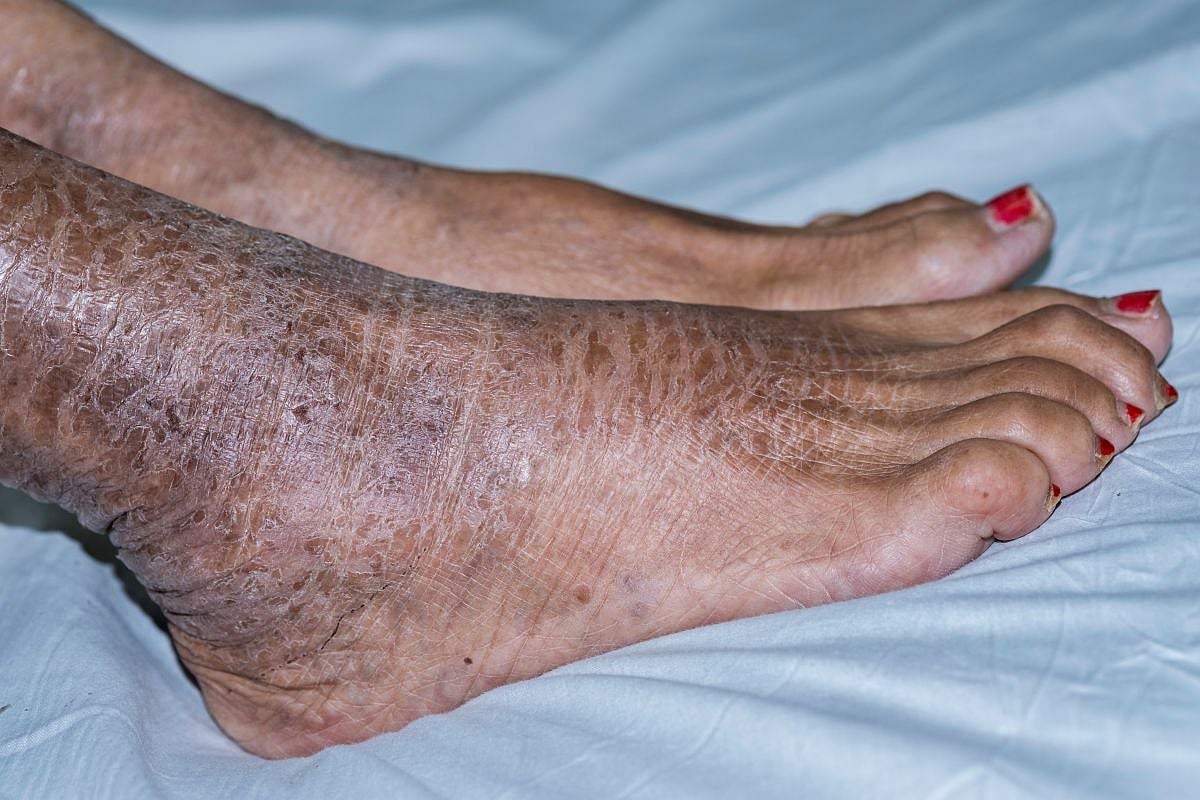 Congenital Ichthyosis Linked to Allergic Disorders
  Pediatricians Report Immigrant Families Avoiding Care for Their Children
  2021 to 2025 Saw Reduction in Burnout Indicators Among Pediatricians
  Physical Exams May Not Reliably Diagnose Pediatric Pneumonia
  Barriers to Pediatric Cancer Clinical Trial Participation Identified
  Guidance Provided for Transition From Pediatric to Adult Endocrine Care

.jpg)


.jpg)