


Arsenic level in drinking water negatively associated with incidences of lymphoma, leukemia in men and women
MONDAY, June 20, 2022 (HealthDay News) — Arsenic seems to have a dual effect on carcinogenesis, according to a study recently published in Frontiers in Public Health.
Ming-Hsien Lin, from China Medical University in Taiwan, and colleagues examined exposure to arsenic in drinking water using 0.05 mg/L as the cutoff for two exposure categories in a cohort of Taiwanese people and linked these data to the Taiwan Cancer registry. The standardized incidence ratios (SIRs) of lymphoma and leukemia were computed by sex, exposure category, and time period. The trend of changes in the SIRs was assessed over time, from 1981-1990 to 1991-2000 and then to 2001-2010.
The researchers found that the higher exposure category was associated with lower SIRs in both men and women for lymphoma and leukemia. In terms of time trends, in both sexes, there were decreasing trends observed in lymphoma and leukemia over time, while exposure to arsenic in drinking water also decreased. There was a negative association seen for arsenic level in drinking water with the incidences of lymphoma and leukemia in both men and women.
“The observation of a negative association between the exposure category and incidence of hematologic malignancies in our study support and elucidate the dual effects of arsenic, which may promote epigenetic differentiation of carcinogenesis through histone modifications in hematologic malignancies,” the authors write.
 Childhood Cancer Survivors Often Have Mental Distress in Adulthood
  Blinatumomab Improves Event-Free Survival in Children With High-Risk B-Cell ALL
 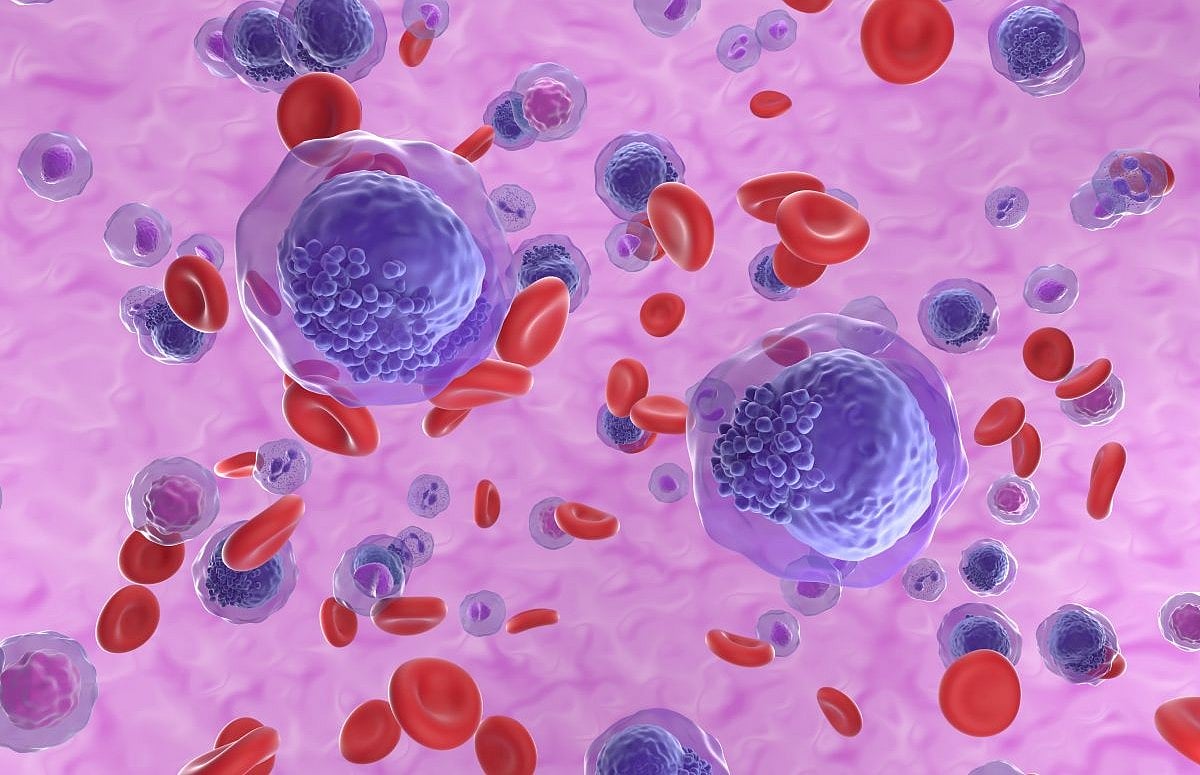 Azacitidine + Venetoclax Tied to Improved Event-Free Survival in Adults With AML
  Freshwater Swimming Tied to Stomach Bugs, Skin Conditions
 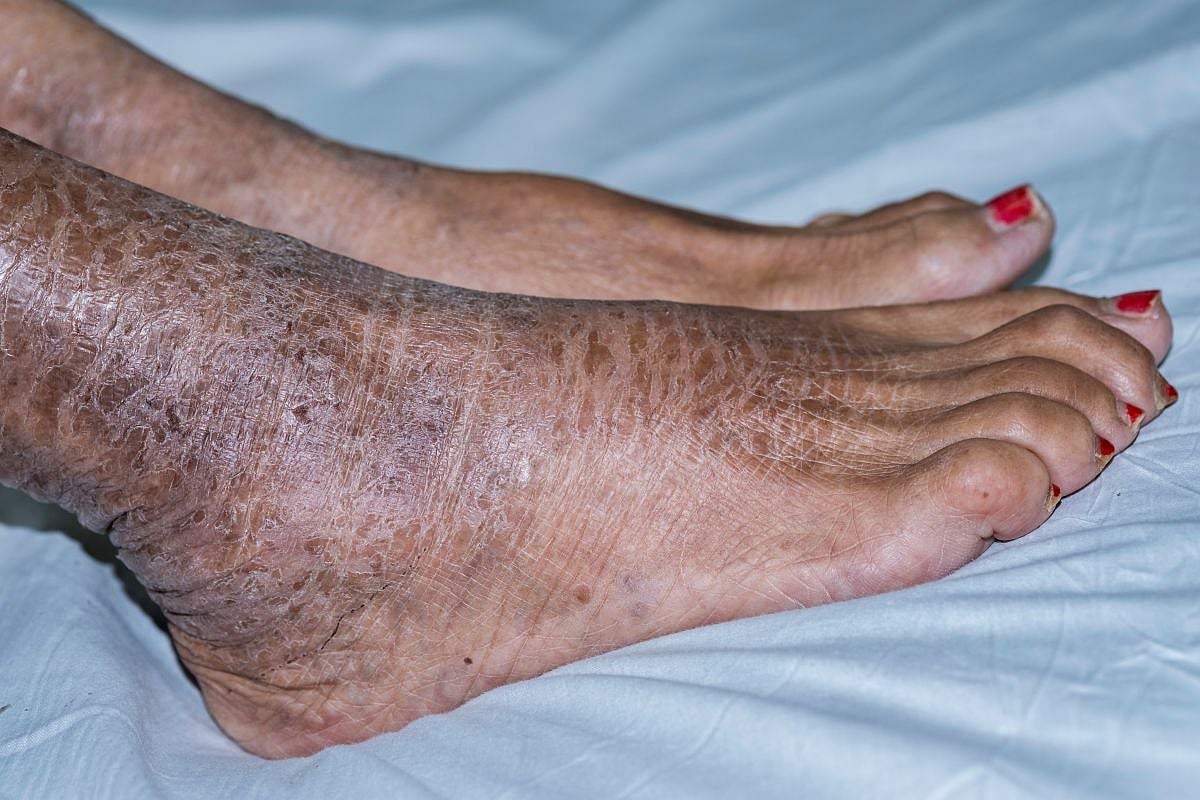 Congenital Ichthyosis Linked to Allergic Disorders
  Distinct Skin Microbiome Features Emerge Before Atopic Disease Onset in Infants
 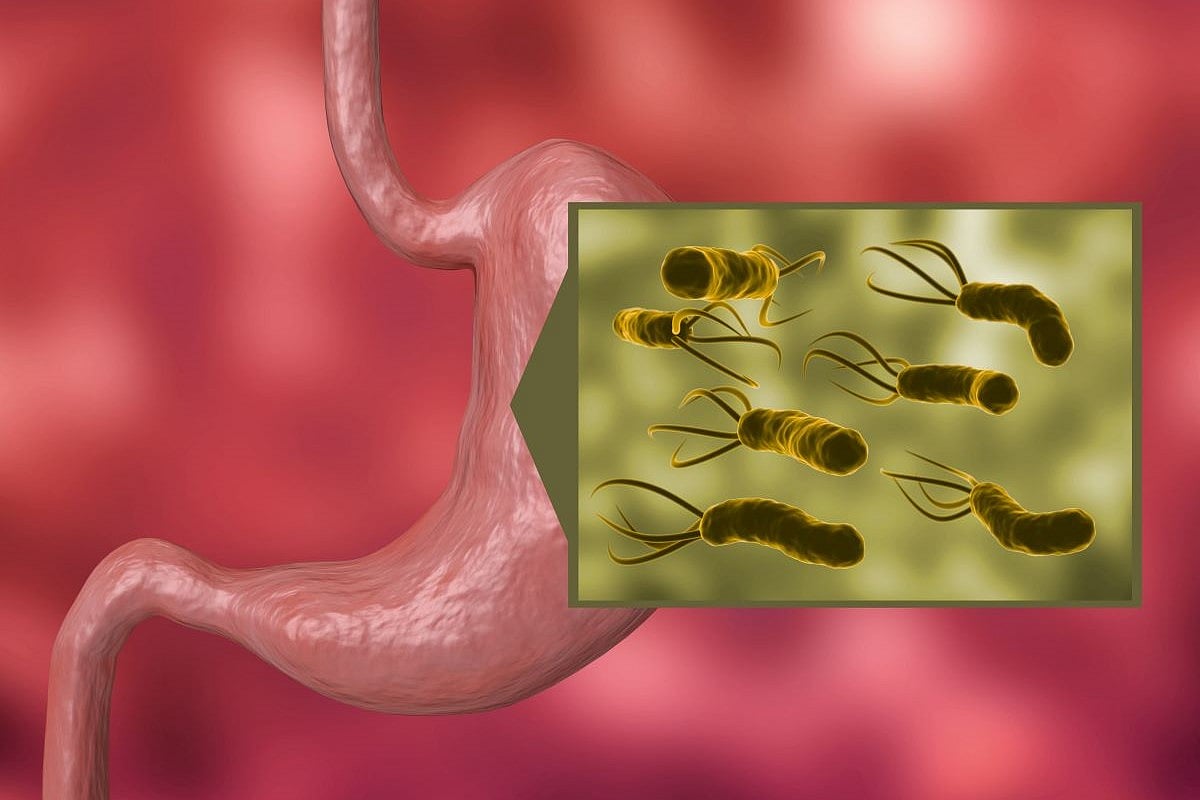 H. Pylori Exposure May Contribute to Global Burden of Colorectal Cancer
  About 1 in 20 Hospitalized U.S. Adults With Firearm Injuries Develop Bacterial Infections


.jpg)

