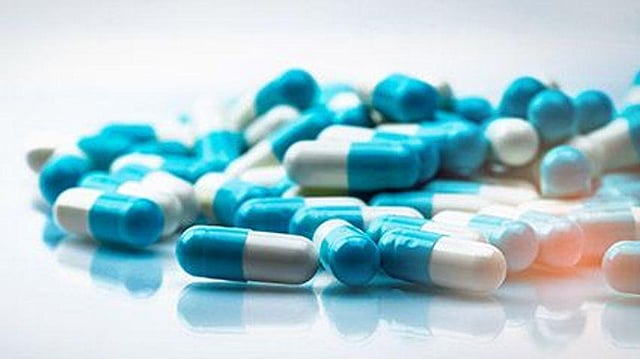
Duloxetine, given on the day of surgery and once daily for 14 days, reduces opioid use by about 30 percent
TUESDAY, May 25, 2021 (HealthDay News) — As part of a multimodal analgesic regimen in patients undergoing total knee arthroplasty, duloxetine cuts opioid use compared with placebo, according to a study presented at the annual Regional Anesthesiology and Acute Pain Medicine Meeting, held from May 13 to 15 in Lake Buena Vista, Florida.
Danya A. DeMeo, from the Hospital for Special Surgery at Weill Cornell Medical College in New York City, and colleagues randomly assigned 160 patients undergoing primary total knee arthroplasty to either duloxetine or placebo for 14 days. Opioid medication consumption and pain with ambulation after surgery were evaluated on postoperative days 1, 2, 7, and 14.
The researchers found that duloxetine was both noninferior and superior to placebo for cumulative opioid consumption (294 mg with duloxetine versus 432 mg with placebo). Duloxetine was also noninferior to placebo for pain with movement at all time points. Additionally, duloxetine was significantly superior to placebo for patient satisfaction and for pain interference with mood, walking, work, and sleep.
“Previous research has shown us how to keep most patients relatively comfortable for the first one to two days after total knee arthroplasty. However, patients often have significant and troubling pain during the first two weeks, once the nerve blocks wear off. They often take large amounts of opioids,” a coauthor said in a statement. “It is important to reduce postoperative opioid use without increasing pain or worsening the patient experience.”
 Mindfulness, Tai Chi May Benefit Cancer Survivors
  Less Intraoperative Crystalloid Fluid Not Tied to Worse Surgical Outcomes
  Blinatumomab Improves Event-Free Survival in Children With High-Risk B-Cell ALL
  Intrauterine Instillation of Mepivacaine Reduces Pain of IUD Placement
  Socioeconomic Status Linked to Mortality After Acute Hip Fracture Surgery
  Spinal Cord Stimulation Cuts Pain, Improves Sensation With Diabetic Nerve Damage
  Napping Opportunity May Improve Clinical Performance of Anesthesia Residents
  People Using Illicitly Sourced Fentanyl Face Worse Outcomes Than Medically Sourced Users