


Incidence of fluid overload higher, with no improvement in clinical outcomes compared with moderate fluid resuscitation
FRIDAY, Sept. 16, 2022 (HealthDay News) — Early aggressive fluid resuscitation results in a higher incidence of fluid overload and does not improve clinical outcomes for patients presenting with acute pancreatitis, according to a study published in the Sept. 15 issue of the New England Journal of Medicine.
Enrique de-Madaria, M.D., Ph.D., from Dr. Balmis General University Hospital in Alicante, Spain, and colleagues randomly assigned 249 patients at 18 centers who presented with acute pancreatitis to receive goal-directed aggressive or moderate resuscitation with lactated Ringer’s solution. Patients were assessed at 12, 24, 48, and 72 hours; fluid resuscitation was adjusted based on the patient’s clinical status.
The trial was halted due to between-group differences in the safety outcomes, with no significant difference in the incidence of moderately severe or severe pancreatitis between the groups (22.1 and 17.3 percent in the aggressive- and moderate-resuscitation groups, respectively; adjusted relative risk, 1.30; 95 percent confidence interval, 0.78 to 2.18; P = 0.32). The researchers found that fluid overload developed in 20.5 and 6.3 percent of those who received aggressive and moderate resuscitation, respectively (adjusted relative risk, 2.85; 95 percent confidence interval, 1.36 to 5.94; P = 0.004). The median duration of hospitalization was six and five days in the aggressive- and moderate-resuscitation groups, respectively.
“The use of aggressive fluid resuscitation led to a higher risk of volume overload and did not show the hypothesized benefit in disease-specific outcomes,” the authors write.
Abstract/Full Text (subscription or payment may be required)
Editorial (subscription or payment may be required)
 People With ADHD Experience 50 Percent More GI Symptoms
  Relapse Rare After Appendiceal Adenocarcinoma Resection
  Metabolic Dysfunction-Associated Steatotic Liver Disease Linked to Higher Odds of Eosinophilic Esophagitis
  Eosinophilic Esophagitis Prevalence May Be Higher Than Thought in Pediatric Patients With Asthma
 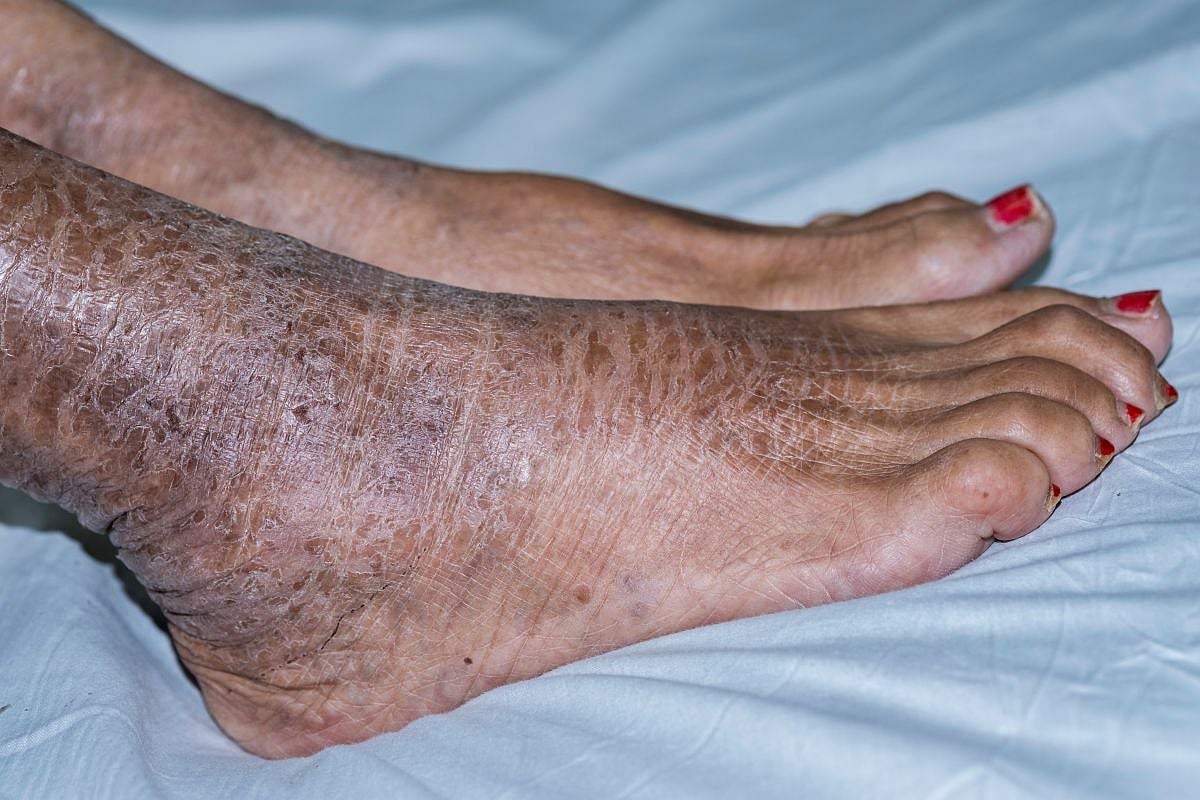 Congenital Ichthyosis Linked to Allergic Disorders
  U.S. Adults May Not Understand Their Risk for Vascular Disease
  Distinct Skin Microbiome Features Emerge Before Atopic Disease Onset in Infants
  Use of SAMA, SABA Linked to Cardiovascular Events, Mortality in Asthma, COPD


.jpg)

