


Exposure in utero and during first year of life linked to increased risk for atopic dermatitis; attenuated in sibling-control analysis
TUESDAY, May 4, 2021 (HealthDay News) — Exposure to antibiotics in utero and during the first year of life is associated with an increased risk for atopic dermatitis, with the correlation partially attenuated after adjustment for familial factors, according to a study published online April 29 in JAMA Network Open.
Mwenya Mubanga, M.D., Ph.D., from the Karolinska Institutet in Stockholm, and colleagues examined the correlation of exposure to antibiotics in the prenatal period and early childhood with the risk for atopic dermatitis. Data were analyzed for 722,767 singleton children born between March 1, 2006, and Dec. 31, 2010. To account for shared familial factors, a sibling-control analysis was conducted.
The researchers found that 21.2 and 23.8 percent of children were exposed to antibiotics in utero and during the first year of life, respectively. Compared with unexposed children, children exposed to prenatal antibiotics had a greater risk for atopic dermatitis (adjusted hazard ratio [aHR], 1.10; 95 percent confidence interval [CI], 1.09 to 1.22). No association was seen in the sibling-control analysis (aHR, 0.96; 95 percent CI, 0.92 to 1.00). The risk for atopic dermatitis was also increased with exposure to antibiotics during the first year of life (aHR, 1.52; 95 percent CI, 1.50 to 1.55), with associations attenuated in the sibling-control analysis (aHR, 1.24; 95 percent CI, 1.20 to 1.29).
“Further research should be conducted to determine the underlying mechanisms and the atopic dermatitis phenotypes that are more likely to be associated with other conditions, such as asthma and allergic rhinitis,” the authors write.
One author disclosed financial ties to the biopharmaceutical industry.
 Doxycycline Use in Early Pregnancy Linked to Increased Risk for Pregnancy Loss
 Nearly 1 in 10 U.S. Adults Report Having Chronic Hand Eczema
 Air Pollution Exposure Tied to Atopic Dermatitis in Children
 Threshold Oral Food Challenge Can Delabel Infants With Peanut Allergy
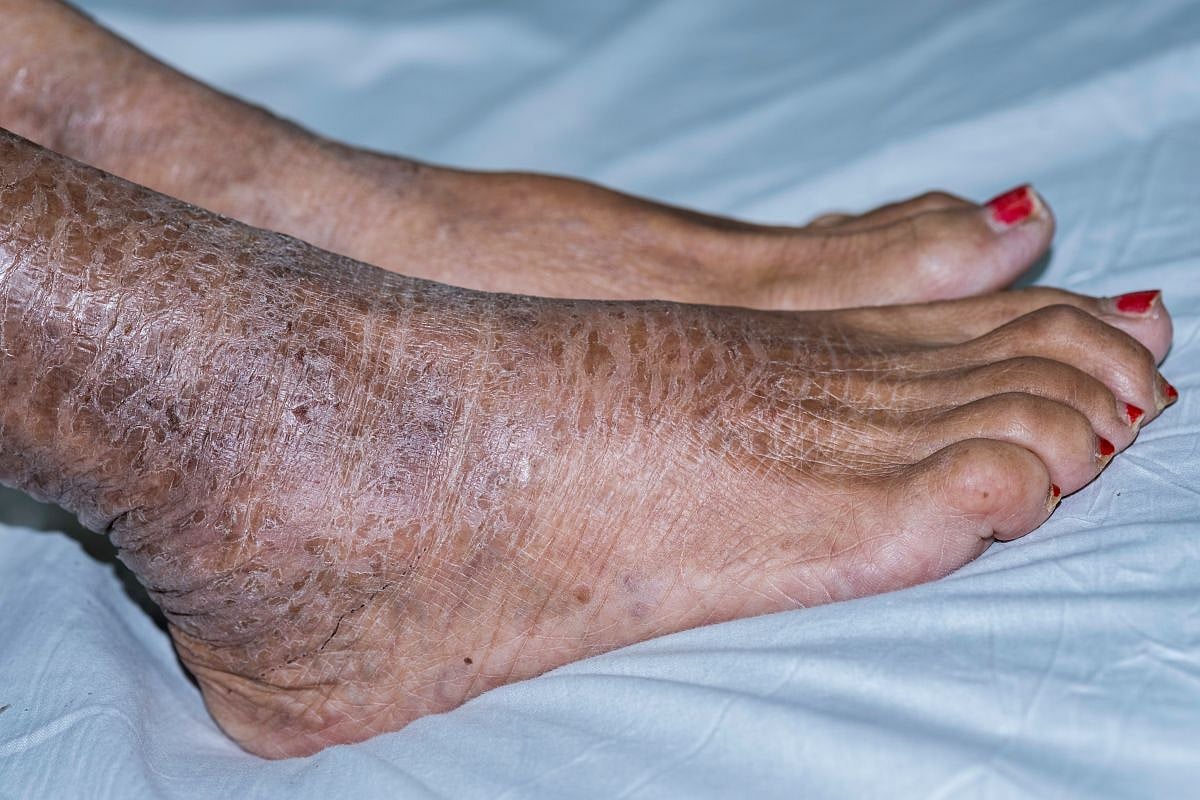 Congenital Ichthyosis Linked to Allergic Disorders
 Blinatumomab Improves Event-Free Survival in Children With High-Risk B-Cell ALL
 Distinct Skin Microbiome Features Emerge Before Atopic Disease Onset in Infants
 Omalizumab, Multiallergen OIT Both Viable for Multifood Allergy Treatment



.jpeg)

