


Total of 615 plausible effector genes include targets of drugs approved for RA and repurposable drugs
TUESDAY, April 27, 2021 (HealthDay News) — Eleven novel loci and 90 independent association signals have been identified for rheumatoid arthritis (RA), according to a study published in the May issue of the Annals of the Rheumatic Diseases.
Eunji Ha, from Kyung Hee University in Seoul, South Korea, and colleagues conducted a meta-analysis of genome-wide RA association summary statistics in three large case-control collections consisting of 311,292 individuals from Korean, Japanese, and European populations. Causal variants and genes, RA variant-implicating features, and potentially repurposable drugs for RA treatment were prioritized in computational analyses using public omics resources.
The researchers identified 11 new RA susceptibility loci, which accounted for 6.9 and 1.8 percent of the single-nucleotide polymorphism-based heritability in East Asians and Europeans, respectively; in addition, 71 known nonhuman leukocyte antigen susceptibility loci were confirmed, identifying 90 independent association signals. Preferential locations for the RA variants were in binding sites of various transcription factors and in cell type-specific transcription-activation histone marks, highlighting the importance of CD4+ T-cell activation and suggesting a role for nonimmune organs in the pathogenesis of RA. Based on gene-based associations, expression-associated variants, and chromatin interactions, 615 plausible effector genes included targets of drugs approved for RA treatment and drugs approved for other indications that are potentially repurposable.
“Our computational analyses provided new insights and enhanced evidence regarding the genetic architecture/liability, disease-driving variants/genes/transcription factors/pathways/tissues and potential therapeutic targets,” the authors write.
 Holding DMARDs at Time of COVID-19 Vaccine Not Warranted in Those With Inflammatory Arthritis
  Rheumatic Immune-Related AEs With Immune Checkpoint Inhibitors More Severe Than Previously Reported
 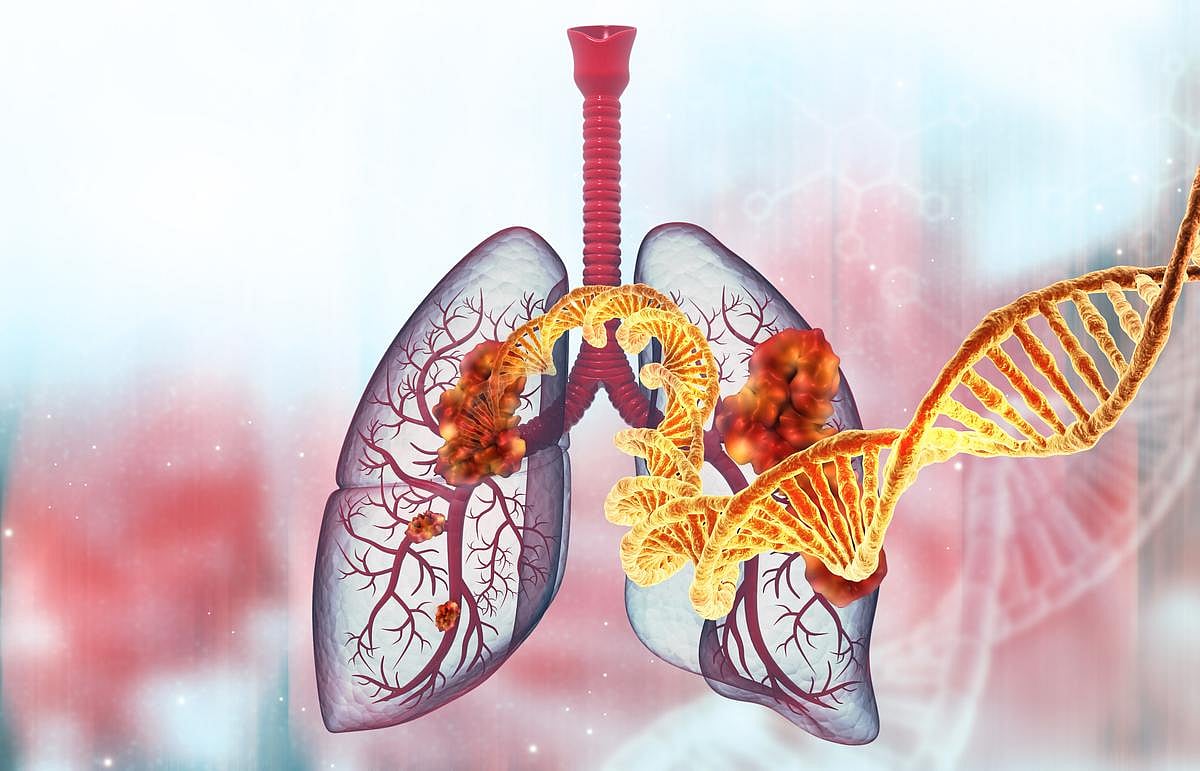 Gene Mutation Identified That Increases Lung Cancer Risk
 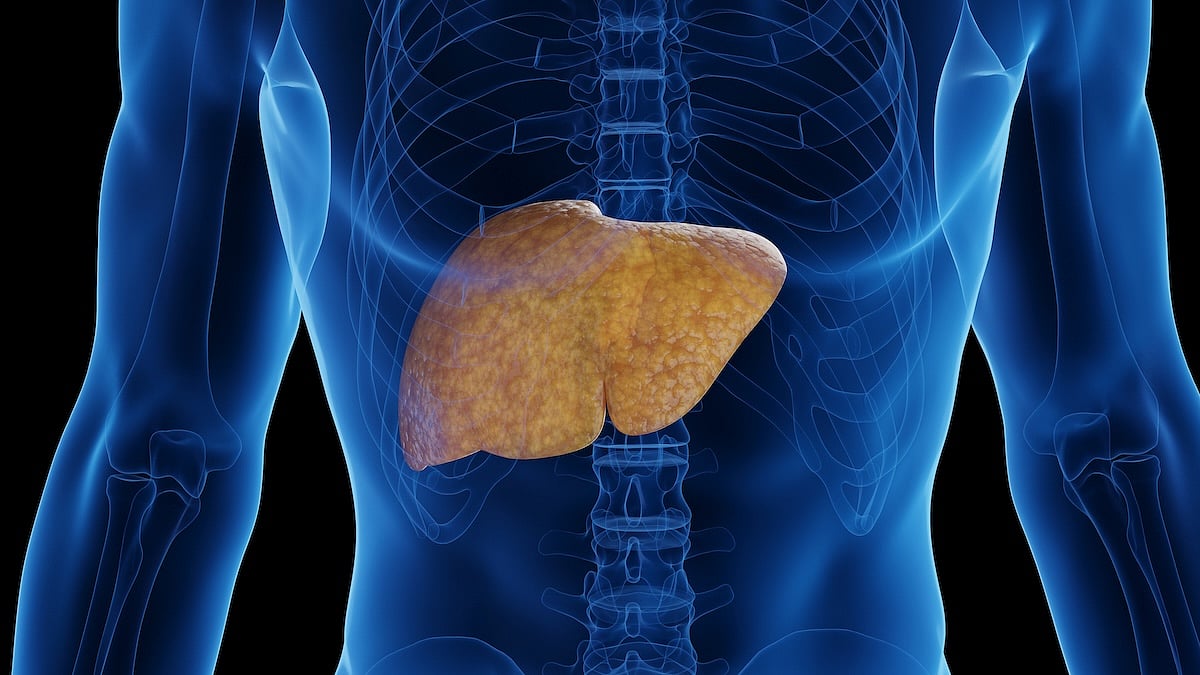 Genetics, Diabetes Tied to MASLD-Associated Cirrhosis Before Age 50
  GLP-1 Receptor Agonists, SGLT-2is Slow Renal Function Decline in T2D With Albuminuria
  Steatotic Liver Disease Risk Scores Compared for Predicting Cirrhosis
  Cirrhosis Can Recur After Liver Transplant
  Family History of CRC Increases CRC Risk Similarly in IBD, General Population




.jpg)