



Likelihood of insulin pump use for T1D increased for Hispanic youth, but not for youth of Black and other races compared to non-Hispanic Whites
WEDNESDAY, June 15, 2022 (HealthDay News) — There are disparities in access to insulin pumps among youth with type 1 diabetes (T1D), according to a study presented at the annual meeting of the Endocrine Society, held from June 11 to 14 in Atlanta.
Estelle Everett, M.D., from the University of California in Los Angeles, and colleagues examined changes over time in insulin pump use in participants aged <20 years with T1D by racial and ethnic group, health insurance, household income, and formal parental education across four phases (2001 to 2005, 2006 to 2010, 2011 to 2015, and 2016 to 2019).
The researchers found that from 2001-2005 to 2016-2019, there was an increase in the overall prevalence of insulin pump use from 30 to 58.3 percent. The adjusted odds ratio for pump use in Hispanic participants versus non-Hispanic Whites was 0.08 in 2001-2006 and 0.65 in 2016-2019, which marked a significant improvement. For Black and other races, the corresponding odds ratios were 0.28 and 0.43, which did not change over time. The adjusted odds ratio for pump use was 0.38 and 0.69 for those with some high school/high school degree and those with some college, respectively, compared to those with a bachelor’s degree or more; no change was seen over time.
“Racial-ethnic minority groups and those of lower socioeconomic status still have unequal access to this very beneficial management tool,” Everett said in a statement. “This is really concerning because these groups have more challenges managing their diabetes and have higher risk of complications.”
.jpg) Considerable Gaps Reported in Care for Youth With Opioid Use Disorder
Considerable Gaps Reported in Care for Youth With Opioid Use Disorder  Pre-Prostate Biopsy MRI Use Increased From 2017 to 2026
  Nutritional Deficiencies Seen in Youth Taking GLP-1 Receptor Agonists
  MHT Initiation May Reduce Cardiovascular Risk in Women With Vasomotor Symptoms
 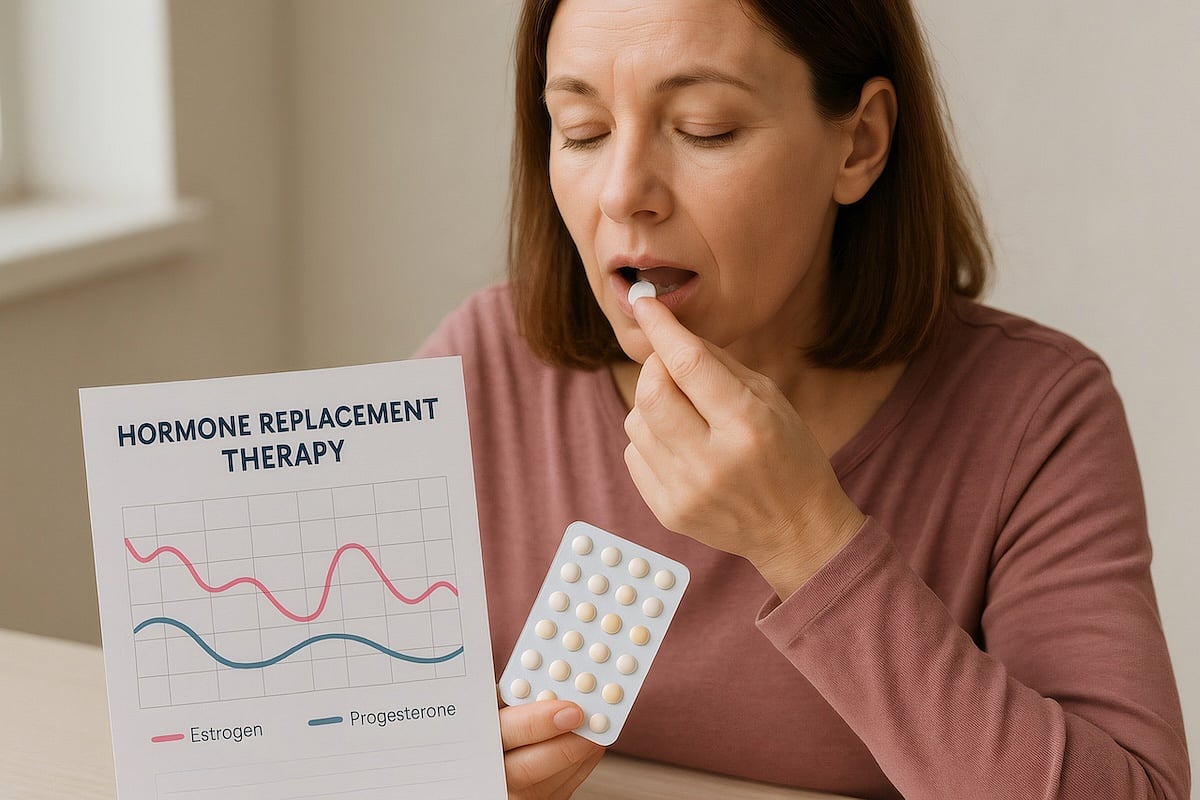 Oral Menopausal Hormone Therapy Linked to Venous Thromboembolic Risk
  Longer Reproductive Lifespan Tied to Lower Bronchiectasis Risk in Postmenopausal Women
  Midlife Onset of Increasing Pulse Pressure Not Linked to Menopause
  Residential Context Has Larger Impact on Ovarian Cancer Survival in Black Women




.jpg)