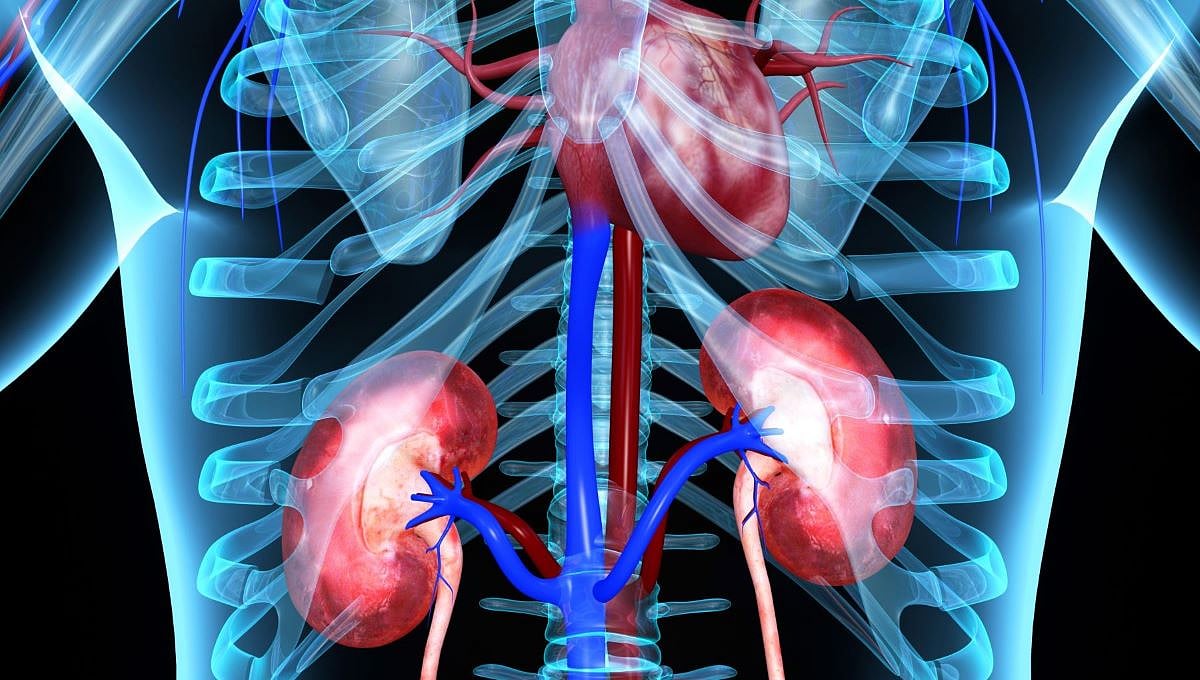
Clinically significant improvement seen in fatigue, and improvement seen in relative peak aerobic capacity with 12-week exercise regimen
TUESDAY, Feb. 18, 2025 (HealthDay News) — For patients with advanced prostate cancer (aPC), completion of a 12-week supervised exercise regimen leads to a significant improvement in fatigue and peak exercise capacity, according to a study presented at the American Society of Clinical Oncology annual Genitourinary Cancers Symposium, held from Feb. 13 to 15 in San Francisco.
Benjamin Maughan, M.D., Pharm.D., from the Huntsman Cancer Institute at the University of Utah in Salt Lake City, and colleagues conducted a prospective trial involving patients with aPC treated with an androgen deprivation therapy-based regimen and participating in a 12-week exercise program. Eligible participants had at least 4/10 tiredness, self-reported sedentary lifestyle (<90 minutes/week of exercise), no evidence of disease progression, and no chemotherapy within three months. Peak aerobic capacity, muscular strength, and endurance testing were assessed before and after 12 weeks of structured, guided exercise.
A total of 119 participants with aPC were enrolled (92 percent with metastatic disease); nine participants withdrew and 10 were lost to follow-up. The primary end point was evaluable in 72 patients. The researchers found that from baseline to 12 weeks, there was a clinically significant 5.1-point reduction in fatigue. In 76 patients who completed both aerobic fitness assessments, there was a 3.1 mL/kg/min improvement in relative peak aerobic capacity (mean of 27.5 at baseline to 30.6 at 12 weeks).
“These findings support routinely recommending exercise for and examining symptom management in patients with metastatic cancer to improve quality of life,” the authors write.
Several authors disclosed ties to the pharmaceutical and biotechnology industries.
 Strength Training May Cut GDM Risk in Pregnant Women With Overweight, Obesity
  Risk for Prostate Cancer Elevated With Higher Ultraprocessed Food Intake
  Rates of Active Surveillance for Low-Risk Prostate Cancer High for Veterans
  Stair Climbing Associated With Reduction in Cardiovascular, All-Cause Mortality
  Physical Activity Reduces Stroke, Mortality, Regardless of A-Fib
  Review Reveals Limited Effects of Exercise on Hip Osteoarthritis
  Resistance Training Tied to Lower Type 2 Diabetes Risk
  Smartphone Apps, Wearables Boost Activity in People With Cardiovascular Disease