


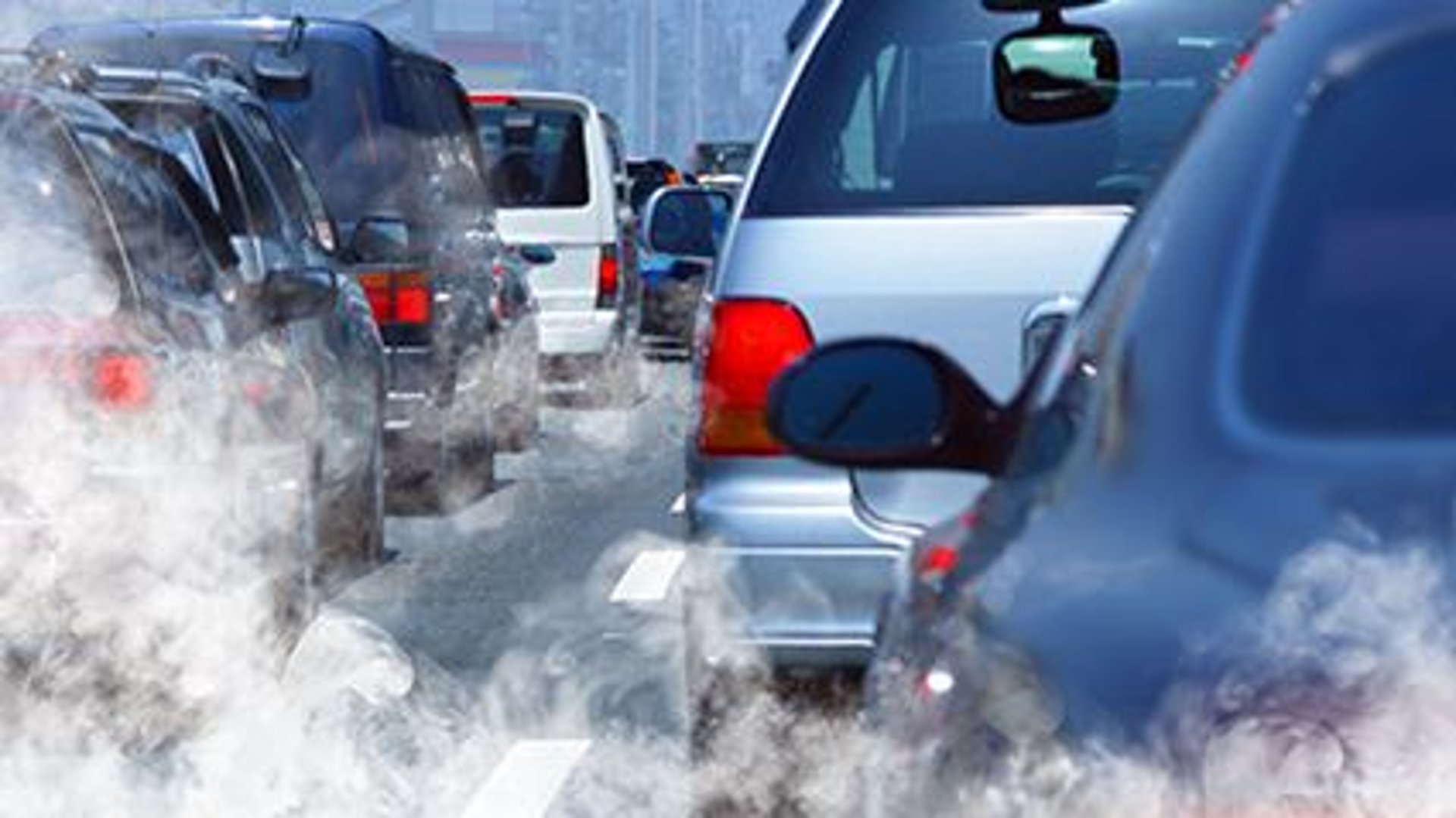
 Approximately 15 percent of global COVID-19 mortality attributable to air pollution
TUESDAY, Nov. 3, 2020 (HealthDay News) — Air pollution is an important cofactor increasing the risk for mortality from COVID-19, according to a study published online Oct. 26 in Cardiovascular Research.
Andrea Pozzer, Ph.D., from the Max Planck Institute for Chemistry in Mainz, Germany, and colleagues estimated the fraction of COVID-19 mortality that is attributable to the long-term exposure to ambient fine particulate air pollution. The authors sought to characterize global exposure to fine particulates based on satellite data and calculated the anthropogenic fraction using an atmospheric chemistry model. COVID-19 mortality was determined using U.S. and Chinese epidemiological data.
The researchers found that particulate air pollution contributed to approximately 15 percent of COVID-19 mortality worldwide (27 percent in East Asia, 19 percent in Europe, and 17 percent in North America). The investigators also note that about 50 to 60 percent of the global attributable, anthropogenic fraction is related to fossil fuel use, which is even higher (up to 70 to 80 percent) in Europe, West Asia, and North America.
“This provides extra motivation for combining ambitious policies to reduce air pollution with measures to control the transmission of COVID-19,” the authors write.
 Air Pollution Does Not Impair Benefits of Walking in Reducing COPD Exacerbation Rate
  Air Pollution Tied to Higher Risk for Suicide
  Higher Short-Term Exposure to Pollen Linked to Lower FEV1 in COPD
  Study Reveals Silicosis Rates Among Workers Fabricating Stone Countertops
  Past Blast Exposure Tied to Long-Term Chronic Medical Diagnoses in Veterans
  Adenotonsillectomy Tied to Increase in Respiratory Tract Infections in Children
  Fractional Exhaled Nitric Oxide Elevated in Pediatric Chest Tightness Variant Asthma
  Lung Disease More Common With Ulcerative Colitis Than Crohn Disease


.jpg)

