


Factors independently linked to incident fracture include age, sex, BMI, level of leisure-time physical activity
FRIDAY, Feb. 19, 2021 (HealthDay News) — Several factors have been identified that increase the likelihood of experiencing a fracture in middle age, including female sex and a low level of leisure-time physical activity, according to a study published online Feb. 18 in the Journal of Bone and Mineral Research.
Cecilia Rogmark, M.D., Ph.D., from Skåne University Hospital in Malmö, Sweden, and colleagues examined factors related to physical activity and psychosocial situations that were associated with incident fractures in a cohort of 30,446 middle-aged women and men followed from 1991 to 1996 until 2016. Significant risk factors were summed into a fracture risk score.
The researchers found that during a median follow-up of 20.7 years, 8,240 individuals (27 percent) had at least one fracture. Factors independently associated with a higher risk for incident fracture included older age, female sex, previous fracture, reported family history of fracture >50 years, low leisure-time physical activity, heavy work, living alone, smoking, and no or high alcohol consumption. There was a strong association noted between fracture risk score and incident fracture. The incidence rate was 5.3/1,000 person-years for men without risk factors compared with 23.2 in men with six or more risk factors (hazard ratio, 5.5). Among women, the corresponding incidence rates were 10.7 versus 28.4 per 1,000 person-years (hazard ratio, 3.1).
“A combination of several risk factors distinctly increases the fracture risk in later life,” the authors write. “Our results emphasize the importance of these factors in public health initiatives for prevention of fractures.”
One author disclosed financial ties to the medical device industry.
Abstract/Full Text (subscription or payment may be required)
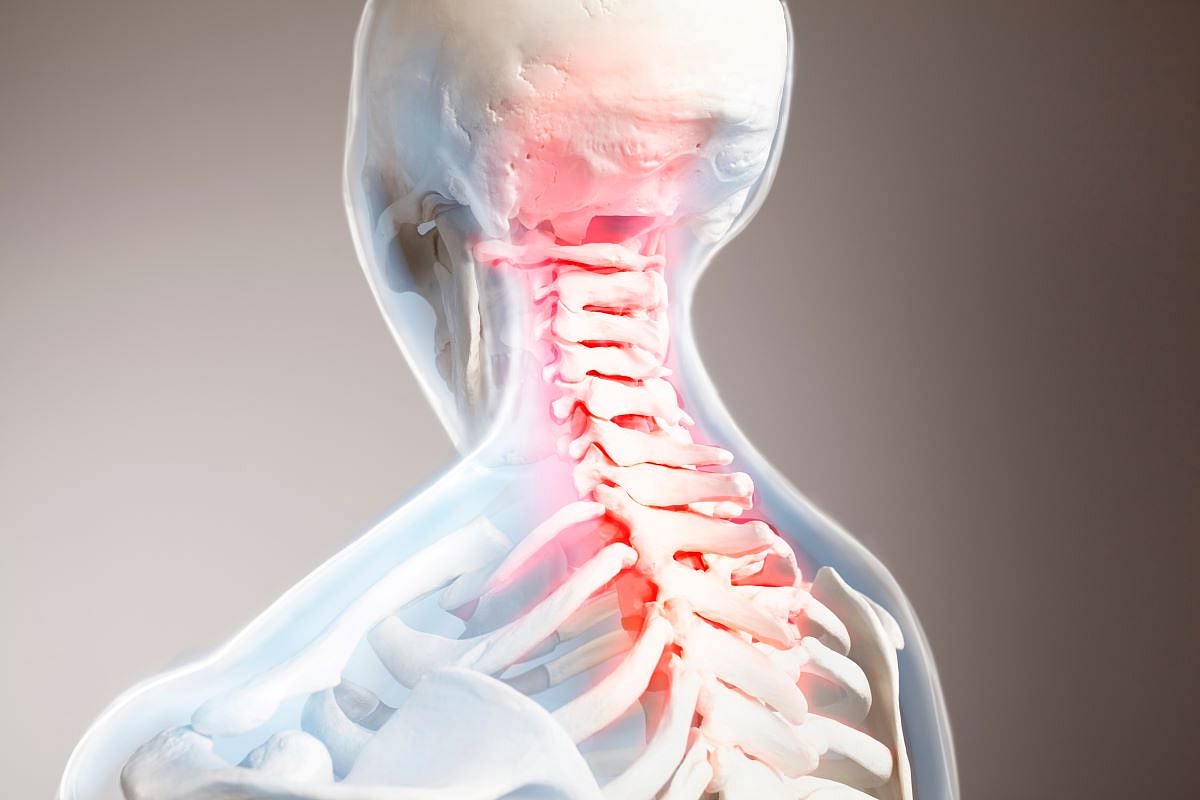 Myeloma Risk Modestly Increased in Adults With Incidentally Detected Vertebral Fracture
 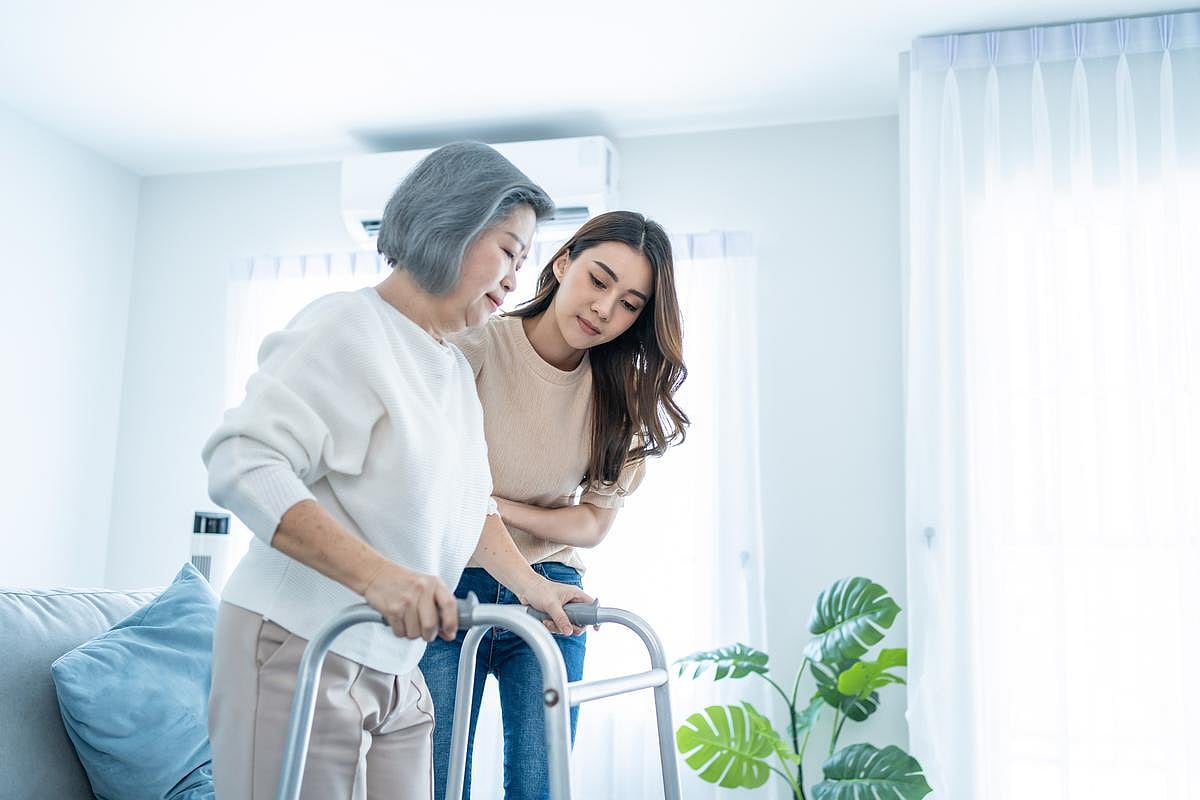 Socioeconomic Status Linked to Mortality After Acute Hip Fracture Surgery
  NOACs Linked to Slower Cognitive Decline in Patients With A-Fib, Alzheimer Disease
 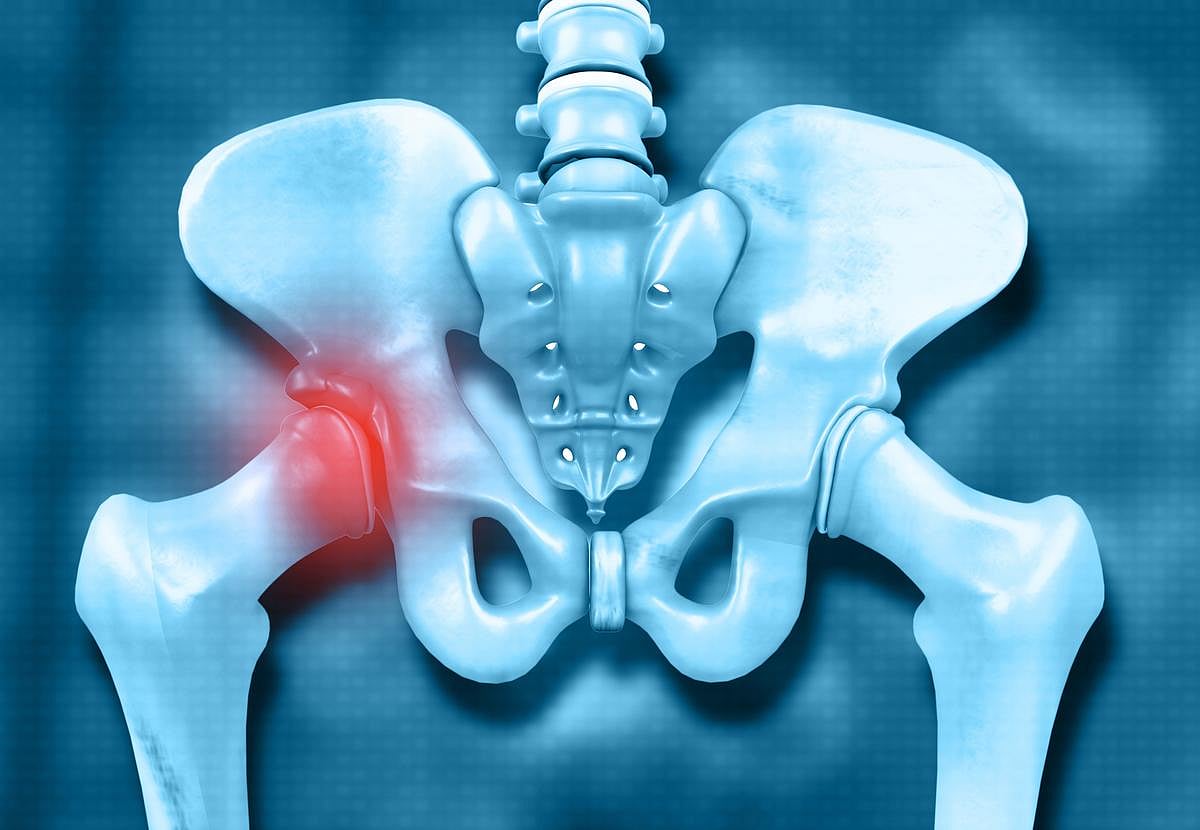 Dual-Mobility THR Linked to Reduced Risk for Dislocation
  Implant, Patient Survival Do Not Differ for Robotic and Conventional Total Joint Replacement
  Physical Therapist-Supervised Exercise Improves Outcomes After ACL Reconstruction
 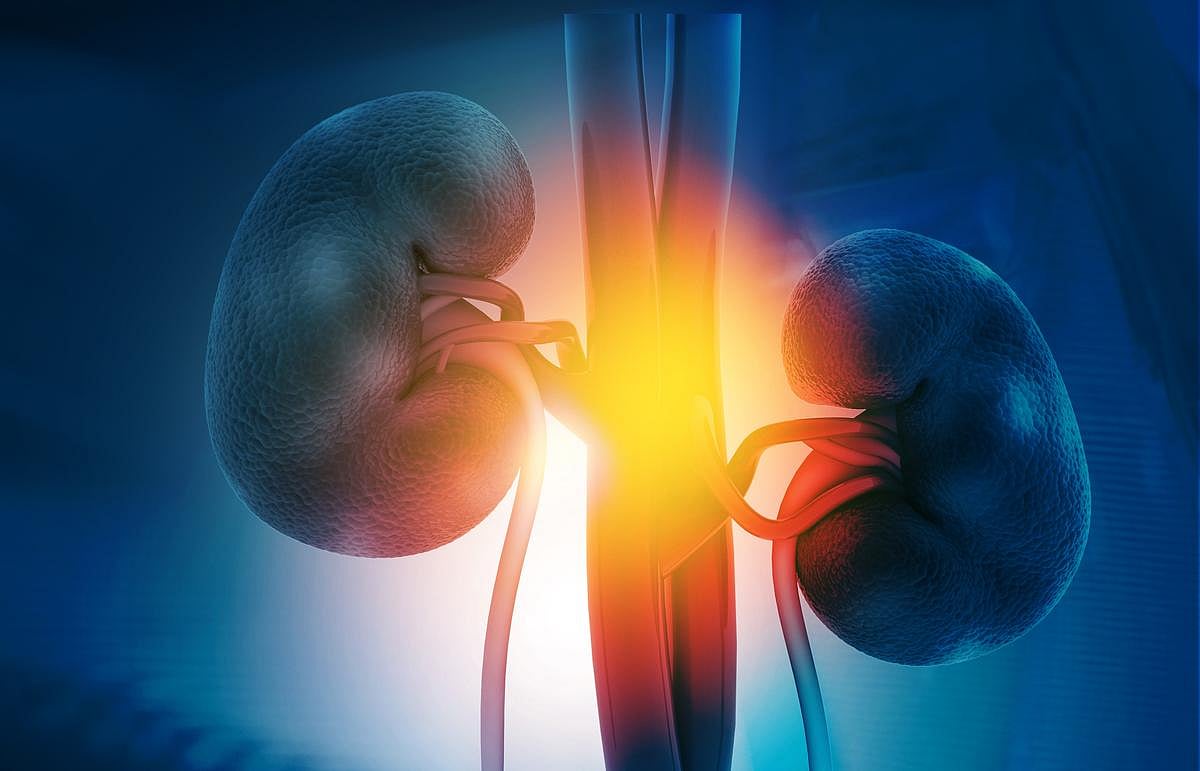 Early Complications Common in Older Kidney Transplant Recipients
  Lower Vertebral Bone Mineral Density Linked to Cognitive Decline

.jpg)

