


 NIH study shows 6.5 percent of U.S. adults aged 40 and up perceive phantom smells
MONDAY, Oct. 1, 2018 (HealthDay News) — Phantom odor perception in middle-aged and older individuals is associated with poor health, persistent dry mouth, and head injury, according to a study published online Aug. 16 in JAMA Otolaryngology-Head & Neck Surgery.
Kathleen E. Bainbridge, Ph.D., M.P.H., of the National Institute on Deafness and Other Communication Disorders at the National Institutes of Health in Bethesda, Md., and colleagues studied data for 7,417 U.S. adults aged 40 years and older. The authors sought to estimate the prevalence of phantom odor, defined as the perception of an unpleasant, bad, or burning odor when no actual odor exists, and to identify factors associated with this condition.
The researchers found that phantom odor perception occurred in 6.5 percent of study participants. The prevalence of phantom odor perception varied by age and gender. Women aged 60 years and older reported phantom odors less commonly than younger women. The prevalence of phantom odor perception among men varied from 2.5 percent for men 70 years and older to 5.3 percent for men aged 60 to 69 years. Factors associated with phantom odor perception included persistent dry mouth (odds ratio, 3.03) and history of head injury (odds ratio, 1.74).
“Associations of phantom odor perception with poorer health and persistent dry mouth point to medication use as a potential explanation,” the authors write. “Prevention of serious head injuries could have the added benefit of reducing phantom odor perception.”
Abstract/Full Text (subscription or payment may be required)
Editorial (subscription or payment may be required)
 Lower Vertebral Bone Mineral Density Linked to Cognitive Decline
  Estrogen Hormone Treatment May Be Beneficial for Brain Fog Symptoms in Menopausal Women
 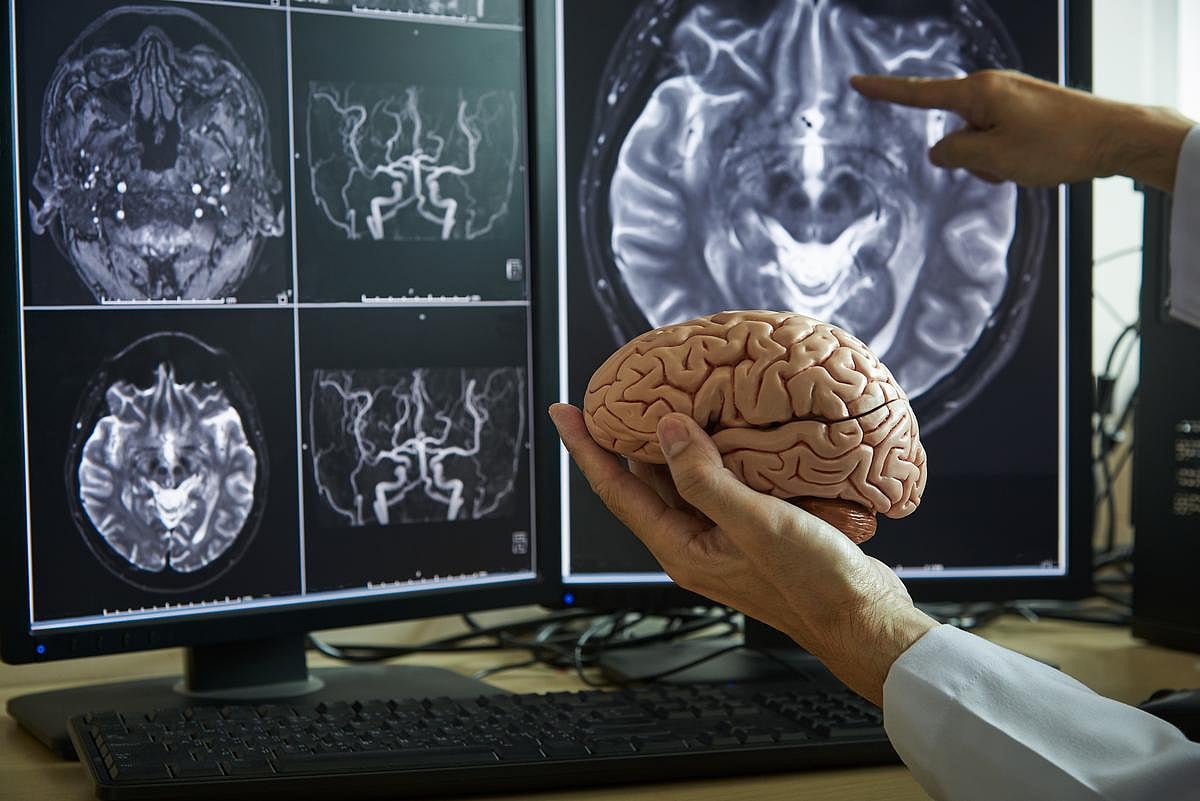 Brain Abnormalities Identified in Children at Risk for Schizophrenia
  Cortical Atrophy in Early-Onset Alzheimer Disease Signature Can Predict Progression to Dementia
 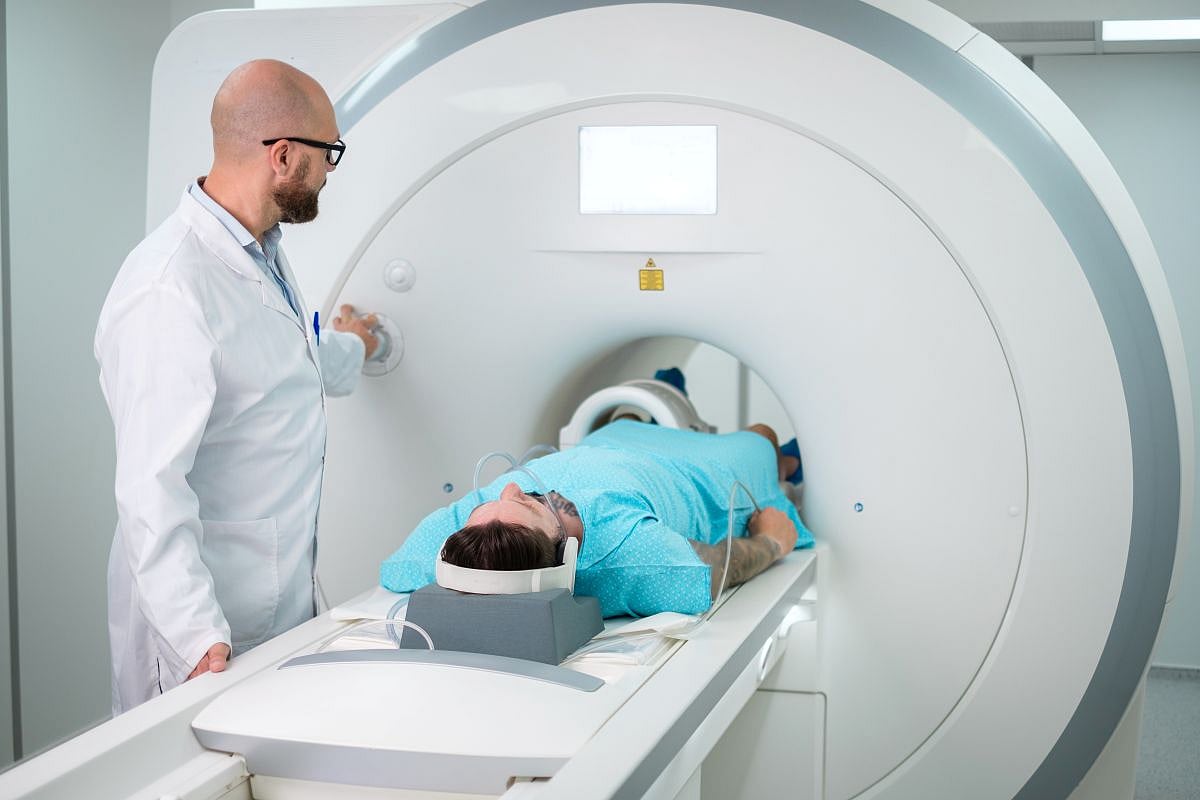 Pre-Prostate Biopsy MRI Use Increased From 2017 to 2026
  Insomnia Linked to Increased Risk for Stroke, Odds of Admission
  Increased Dementia Risk Seen After Transient Ischemic Attack
  PET/MRI Offers Diagnostic, Prognostic Value in Pediatric Epilepsy


.jpg)

