


Advisory panel will review a variety of evidence, including new data from Israel
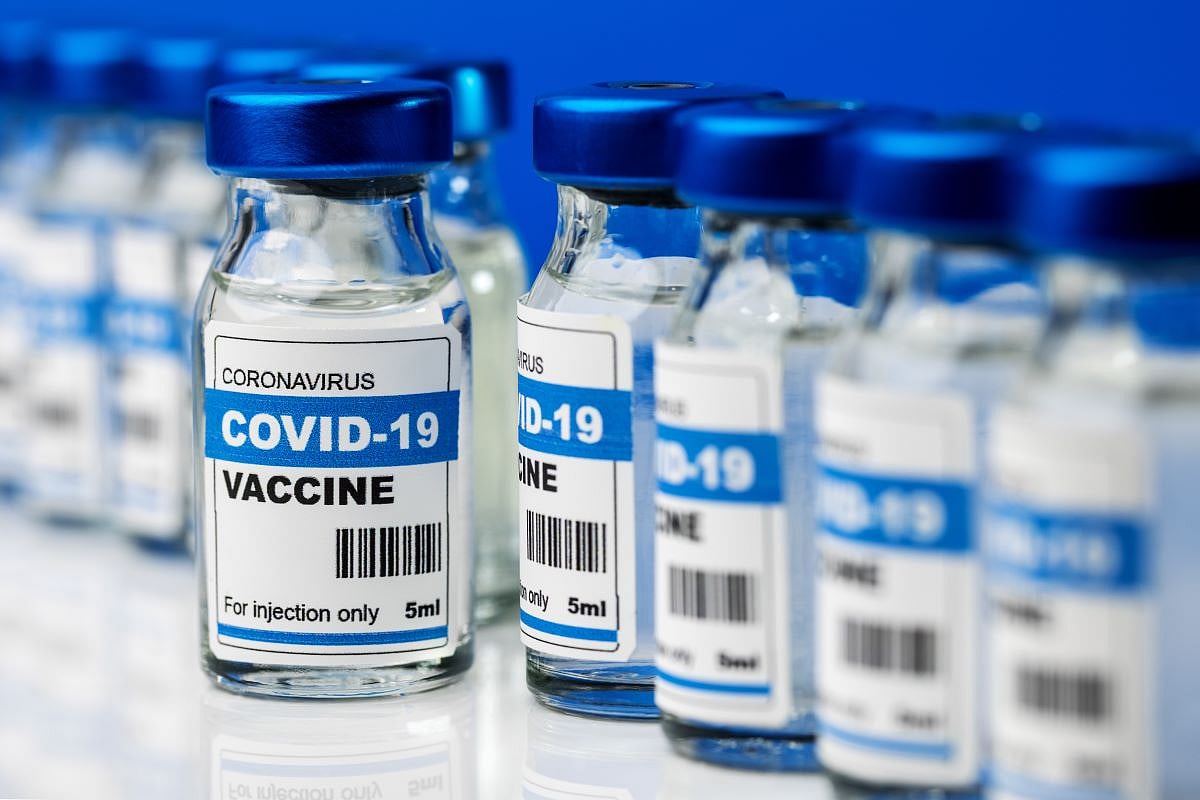
FRIDAY, Sept. 17, 2021 (HealthDay News) — U.S. Food and Drug Administration advisors are meeting today to consider whether it is safe and effective for Americans to receive a third “booster” dose of the Pfizer-BioNTech COVID-19 vaccine.
The FDA posted the materials it intends to use in the review on Wednesday. The advisory panel will review a variety of evidence, including new data from Israel, the Associated Press reported. Israel began offering boosters to its citizens this summer. In summarizing other evidence that will be included in today’s meeting, the FDA wrote that the original two doses of the Pfizer-BioNTech and other U.S.-authorized COVID-19 vaccines “still afford protection against severe COVID-19 disease and death in the United States.”
Pfizer, meanwhile, has indicated that its vaccine is protecting against severe disease in the United States, but immunity against milder infections wanes around six to eight months after the second dose.
The issue of whether or not booster shots are needed has heated up over recent weeks, after President Joe Biden had previously announced a booster campaign that was slated to begin Sept. 20 — Monday. But soon after that announcement, two top FDA vaccine regulators joined with other international scientists to release a report contending that boosters are not needed for healthy individuals, because the vaccines continue to offer strong protection from severe disease.
Although the FDA is not bound to follow the advice of its advisory committees, it typically does so.
 Nearly 3 in 4 Older Adults Express Interest in Vaccine to Prevent Dementia
  Updated COVID-19 Shot Beneficial for Those With Autoimmune Rheumatic Disease
  AAP Issues Recommendations for Pediatric RSV Vaccination in 2026-2027 Season
  Trends Reported in Vaccination Coverage for Adolescents for 2025
 .jpg) Considerable Gaps Reported in Care for Youth With Opioid Use Disorder
Considerable Gaps Reported in Care for Youth With Opioid Use Disorder  Nutritional Deficiencies Seen in Youth Taking GLP-1 Receptor Agonists
  Youth Suicide Risk Linked to Community Firearm Violence
  Social Media Warnings Could Discourage Use Among Teens, Young Adults


.jpg)

