


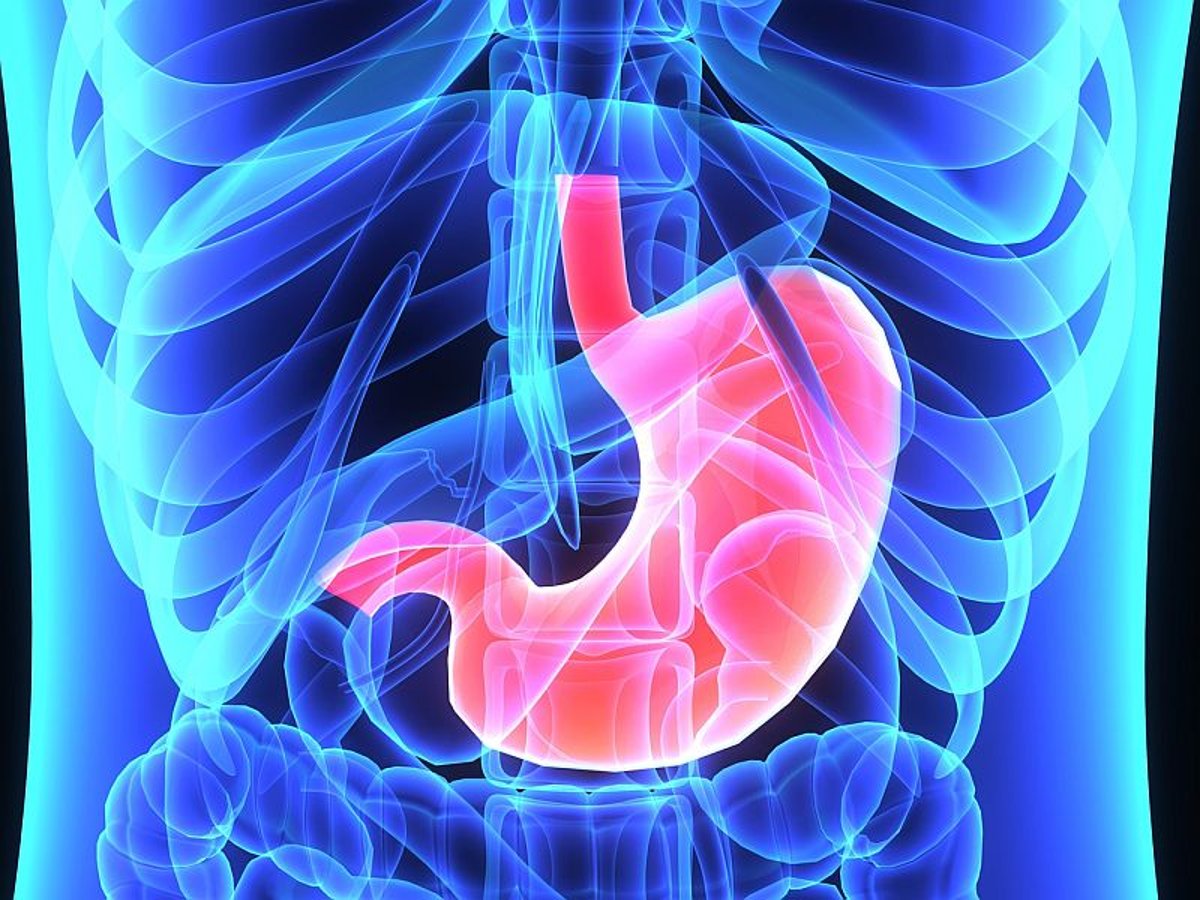
 90 percent of those undergoing FMT had one-month cure; 4 percent had recurrence within six months
TUESDAY, Oct. 6, 2020 (HealthDay News) — Fecal microbiota transplantation (FMT) is effective for Clostridium difficile infection (CDI) through six months and has a good safety profile, according to a study published online Oct. 1 in Gastroenterology.
Colleen R. Kelly, M.D., from the Warren Alpert Medical School of Brown University in Providence, Rhode Island, and colleagues examined the safety and effectiveness outcomes of FMT using data from the FMT National Registry for patients across North America.
Of the first 259 participants, 222 completed follow-up at one month and 123 were followed for up to six months. The researchers found that all FMTs were performed for CDI and 96 percent used an unknown donor. Ninety percent had one-month cure; of these, 98 percent received only a single FMT. Four percent of the 112 with initial cure who were followed for six months had CDI recurrence. Within one month of FMT, severe symptoms included diarrhea and abdominal pain (2 percent each); 1 percent had hospitalization possibly related to FMT. There were new diagnoses of irritable bowel syndrome and inflammatory bowel disease in 1 percent each at six months.
“These initial results show a high success rate of FMT in the real-world setting. We’ll continue to track these patients for 10 years to assess long-term safety, which will be critical to determining the full safety profile of FMT,” Kelly said in a statement.
Several authors disclosed financial ties to the biopharmaceutical and nutrition industries.
Abstract/Full Text (subscription or payment may be required)
 Ultrasound-Guided Hydrodissection Yields Improvements in Carpal Tunnel
  Nearly 1 in 5 Patients Report Exposure to Ophthalmic Treatments Perceived as Bogus
  People With ADHD Experience 50 Percent More GI Symptoms
  Relapse Rare After Appendiceal Adenocarcinoma Resection
 .jpg) Most Specialty Oral Anticancer Meds for Blood Cancers Are Initially Rejected by Insurers
Most Specialty Oral Anticancer Meds for Blood Cancers Are Initially Rejected by Insurers  Implant, Patient Survival Do Not Differ for Robotic and Conventional Total Joint Replacement
  Personalized Support Boosts Families" Genetic Testing for Hereditary Cancers
  Physical Therapist-Supervised Exercise Improves Outcomes After ACL Reconstruction


