
Relationship with index patient, high health anxiety, female gender, high perceived concern about RA linked to increased FDR perceived risk
MONDAY, Jan. 23, 2023 (HealthDay News) — First-degree relatives (FDRs) of patients with rheumatoid arthritis (RA) have a high perceived risk for developing RA, according to a study published online Dec. 5 in RMD Open.
Sarah Bunnewell, from Sandwell and West Birmingham NHS Trust in the United Kingdom, and colleagues defined variables associated with perceived risk for developing RA in FDRs of patients with RA. Patients with RA and their FDRs were asked to complete cross-sectional surveys; 395 FDRs were included in the analysis. Paired data from 213 RA patients were available for 291 of these FDRs.
The researchers observed an intercorrelation for all measures of perceived risk. Overall, 65.2 percent of FDRs perceived themselves as being likely or very likely to develop RA. Associations with an increase in FDRs’ perceived risk were seen for relationship with index patient, high health anxiety, female gender, long perceived RA duration, high perceived concern about RA, negative perceived emotional impact of RA, and low perceptions of how well treatment would control RA. There were no associations seen for patient characteristics with FDR risk perception.
“Three main predictors of perceived risk were identified which were being a child of a patient with RA, higher health anxiety, and lower perceptions of treatment control,” the authors write. “Understanding of these predictors will inform the development of effective risk communication strategies and aid RA prevention and early intervention efforts.”
The study was funded by Versus Arthritis.
 Rheumatic Immune-Related AEs With Immune Checkpoint Inhibitors More Severe Than Previously Reported
 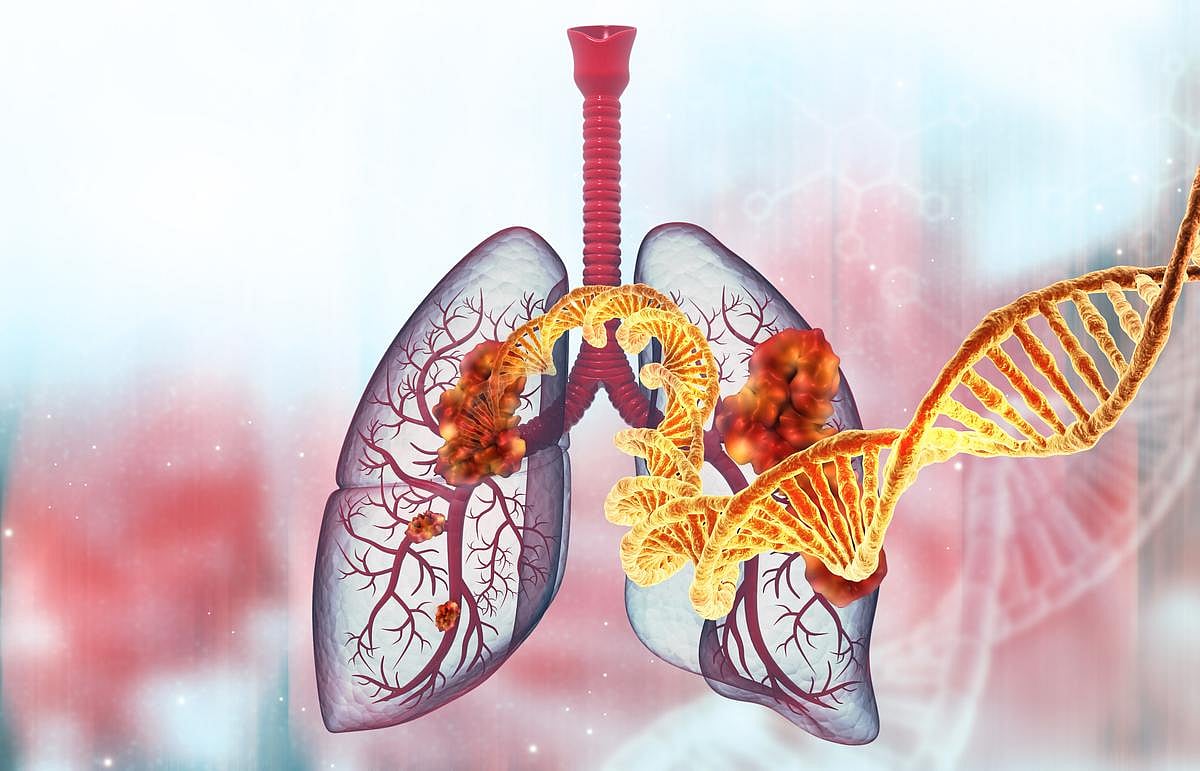 Gene Mutation Identified That Increases Lung Cancer Risk
 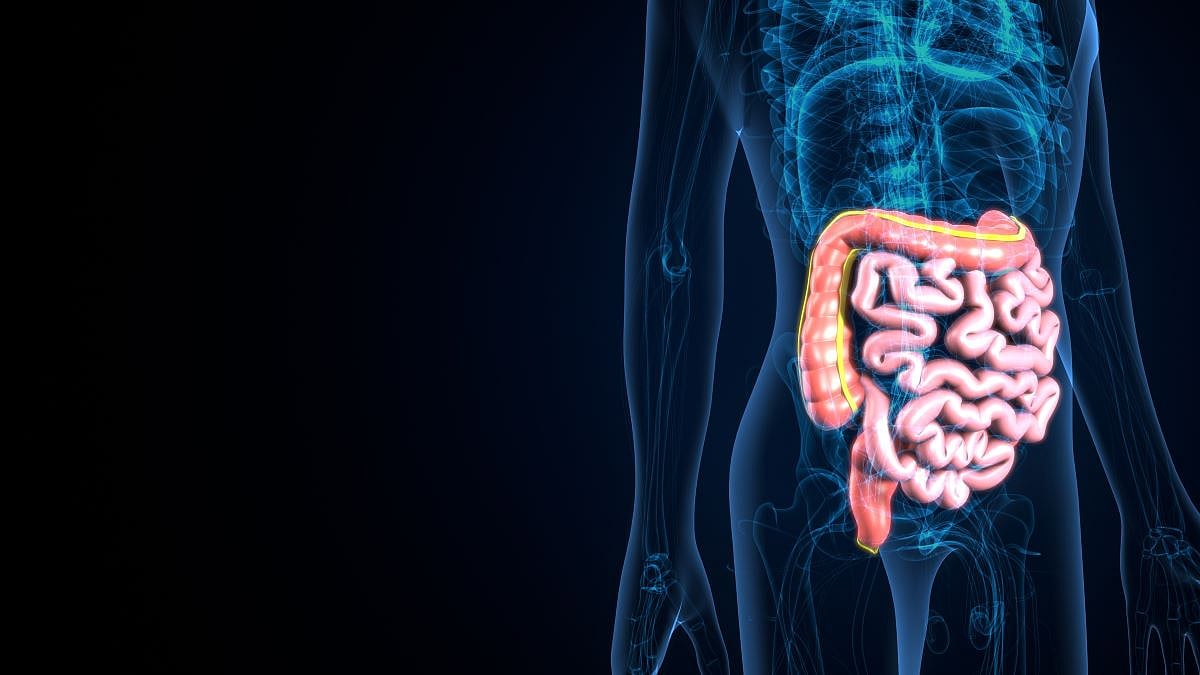 Family History of CRC Increases CRC Risk Similarly in IBD, General Population
 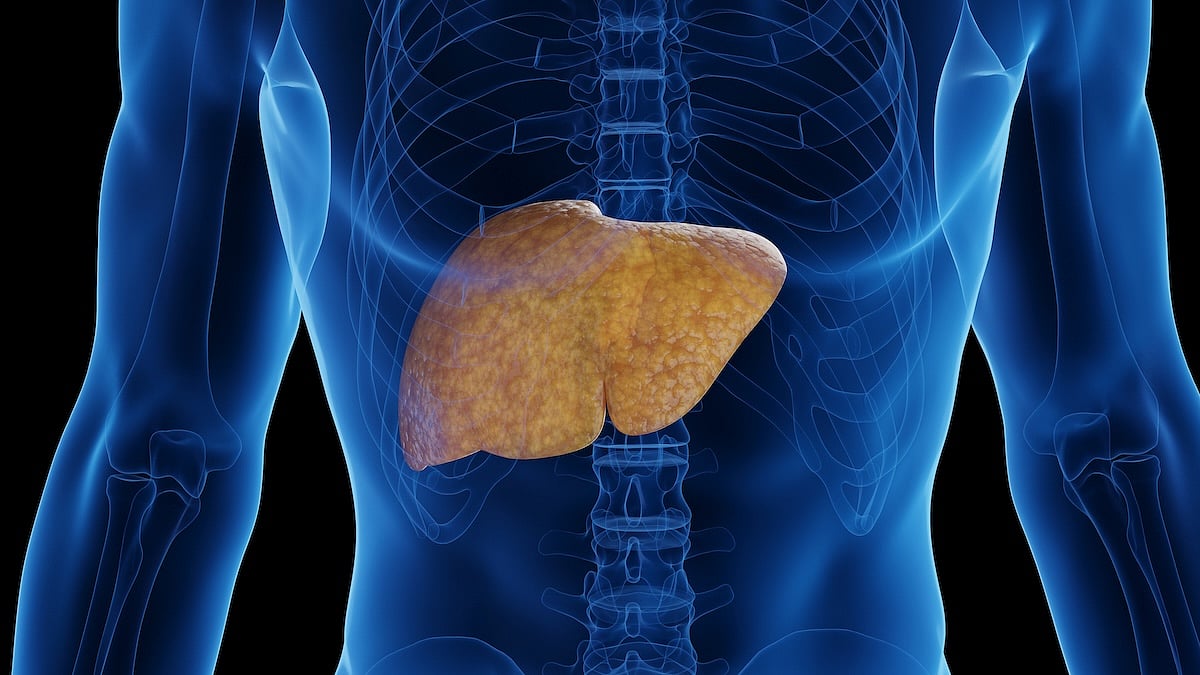 Genetics, Diabetes Tied to MASLD-Associated Cirrhosis Before Age 50
  GLP-1 Receptor Agonists, SGLT-2is Slow Renal Function Decline in T2D With Albuminuria
  Steatotic Liver Disease Risk Scores Compared for Predicting Cirrhosis
  Cirrhosis Can Recur After Liver Transplant
  Study IDs Risk Factors for Ketoacidosis in Adults With T2D Receiving SGLT2 Inhibitors