


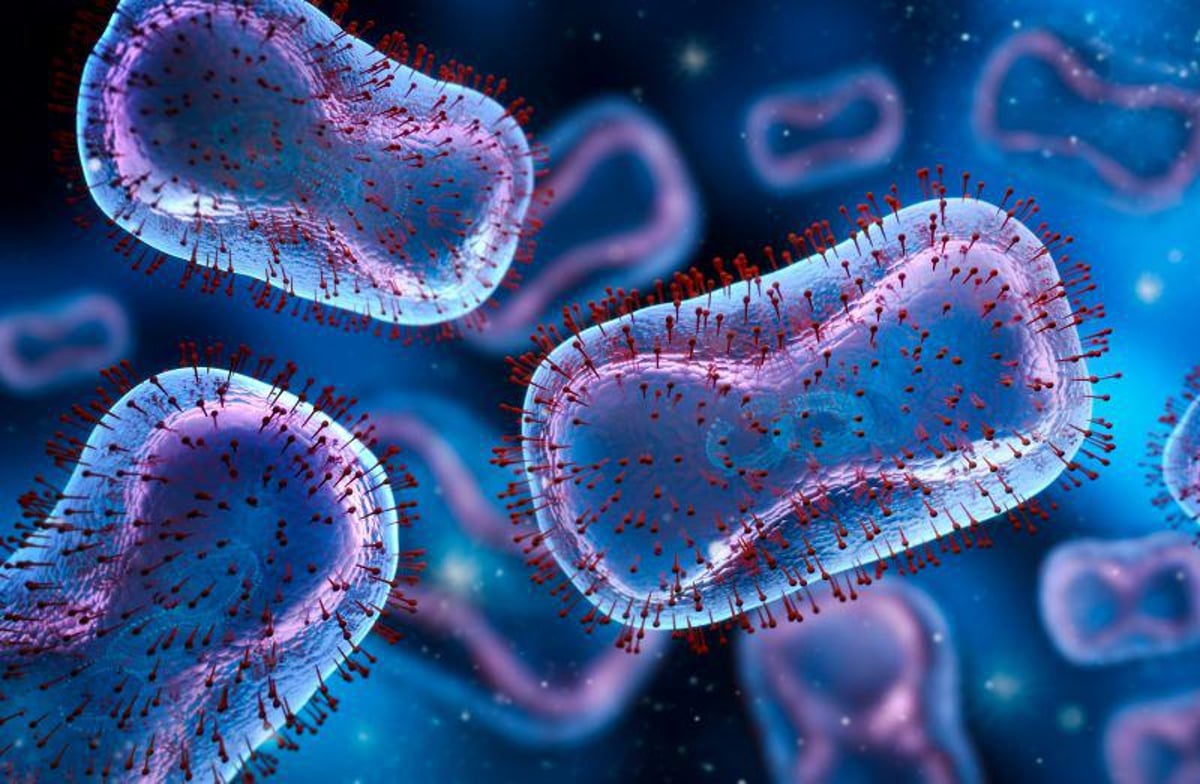
Patient was ‘severely immunocompromised’ and had ‘various severe illnesses,’ health officials say
TUESDAY, Aug. 30, 2022 (HealthDay News) — A Texas patient who was infected with monkeypox has died, though state health officials said Tuesday it is too early to say what role the virus may have played in the death.
The adult, who died in a hospital in Harris County, was “severely immunocompromised” and had “various severe illnesses,” health officials said. Autopsy results are expected in the next few weeks.
“Monkeypox is a serious disease, particularly for those with weakened immune systems,” Texas Department of Health Services Commissioner John Hellerstedt, M.D, said in a news release announcing the death. “We continue to urge people to seek treatment if they have been exposed to monkeypox or have symptoms consistent with the disease.”
“We are sharing this information to err on the side of transparency and to avoid potential misinformation about this case,” Harris County Judge Lina Hidalgo said in a separate statement. “The best way for us to fight this virus is through vaccines. Our goal is still to get as many people who qualify vaccinated as quickly as possible — I have always felt that vaccines are the key to reducing spread.”
The death is the first in the United States publicly reported in a person who had monkeypox. Texas has had 1,604 reported monkeypox infections during the current outbreak, which started in the spring. There are now more than 18,000 cases confirmed across the United States, according to figures from the U.S. Centers for Disease Control and Prevention.
 Significant Association ID"d Between Hepatitis C, Overactive Bladder
 .jpg) Study Looks at Barriers to Initiation of Rotavirus Vaccine
Study Looks at Barriers to Initiation of Rotavirus Vaccine  Obstructive Sleep Apnea Tied to Nearly Doubled Risk for Flu, COVID-19 in Childhood
  Noninvasive Prenatal Screening Can Identify Cytomegalovirus Risk
  Recommendations Issued for Use of Incretin-Based Meds in Pregnancy
  Urine Cell-Free RNA Shows Promise as Biomarker for Bladder Cancer
  Age-, Joint-Specific Ultrasound Reference Values Set for Healthy Joints
  Retinal Imaging Can ID Atrial Fibrillation Years Before Diagnosis


.jpg)

