


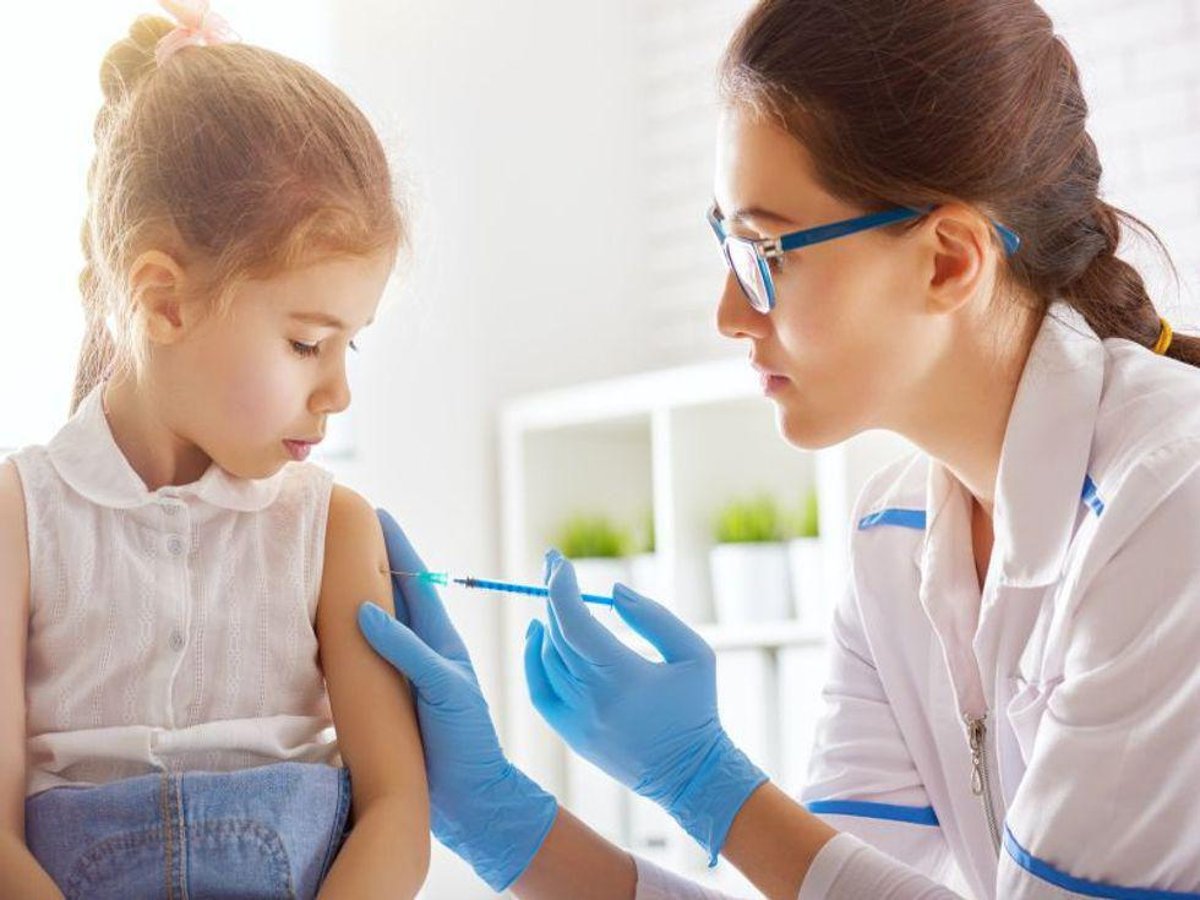
Vaccine effectiveness 75 percent during 2019 to 2020 season, when vaccine-mismatched viruses predominated
TUESDAY, Jan. 25, 2022 (HealthDay News) — Influenza vaccine effectiveness was 75 percent against life-threatening influenza in children during the 2019 to 2020 season, when vaccine-mismatched viruses predominated, according to a study published online Jan. 13 in Clinical Infectious Diseases.
Samantha M. Olson, M.P.H., from the U.S. Centers for Disease Control and Prevention in Atlanta, and colleagues enrolled children aged younger than 18 years admitted to the intensive care unit with acute respiratory infection across 17 hospitals and tested respiratory specimens for influenza viruses. A test-negative design was used to estimate vaccine effectiveness comparing the odds of vaccination in test-positive cases versus test-negative controls. A total of 159 critically ill influenza case patients (51 percent A/H1N1pdm09 and 25 percent B-Victoria viruses) and 132 controls were enrolled.
The researchers found that 52 percent of the 56 sequenced A/H1N1pdm09 viruses were vaccine-mismatched (A/H1N1pdm09/5A+156K) and 41 percent were vaccine-matched (A/H1N1pdm09/5A+187A,189E). Most (30 of 31) sequenced B-lineage viruses were vaccine-mismatched. Effectiveness was 75 and 57 percent against life-threatening and non-life-threatening influenza, respectively. Effectiveness was 78 and 47 percent against matched and mismatched A/H1N1pdm09 viruses, respectively, and 75 percent against mismatched B-Victoria viruses.
“These data are particularly impressive in the context of circulation of two vaccine-mismatched viruses,” the authors write. “Our real-world findings suggest that accelerating efforts to bring influenza vaccines to all children could lead to appreciable reductions in critical illness and deaths from influenza worldwide.”
 Exercise Intervention Linked to Improved Attention, Memory in Breast Cancer
 .jpg) Cancer Survivors Have Lower Levels of Physical Activity
Cancer Survivors Have Lower Levels of Physical Activity  Childhood Cancer Survivors Often Have Mental Distress in Adulthood
  Nearly 3 in 4 Older Adults Express Interest in Vaccine to Prevent Dementia
  Lower Cognitive Functioning During 60s Linked to Subsequent Stroke Risk
  Polypharmacy of Prescription Medications Increased for U.S. Older Adults
  Nearly 1 in 10 Older Adults Used Cannabis in the Past Year
  Insomnia Linked to Increased Risk for Stroke, Odds of Admission
 .jpg)



.jpg)