


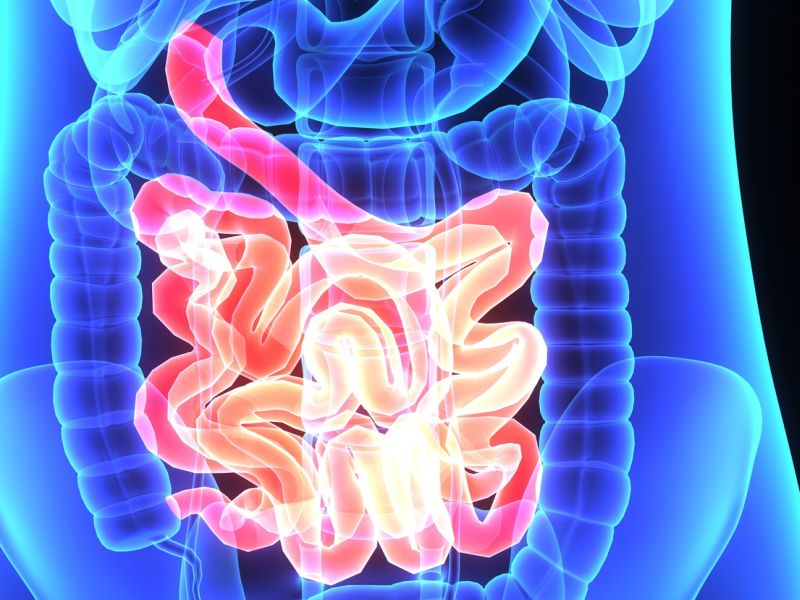
 Although both low FODMAP diet and GDA in patients with IBS-D led to improvement
THURSDAY, Nov. 30, 2017 (HealthDay News) — While both improve gastrointestinal symptoms, the low Fermentable Oligo-Di-Mono-saccharides and polyols (FODMAP) diet shows greater benefit for patients with irritable bowel syndrome (IBS) than general dietary advice (GDA), according to a study published online Nov. 20 in the Journal of Gastroenterology and Hepatology.
Mohammad Javad Zahedi, M.D., from the Kerman University of Medical Sciences in Iran, and colleagues compared the impact of diets on the clinical response in patients with diarrhea subtype of IBS (IBS-D). Participants were randomized to low FODMAP (55 patients) and GDA (55 patients) for six weeks after a 10-day screening period.
The researchers found that after six weeks, the low FODMAP diet significantly improved overall gastrointestinal symptom scores (P < 0.001), stool frequency (P < 0.001), and stool consistency (P = 0.003), compared to the GDA group. At the end of the study period, both intervention groups expressed a significant reduction in overall scores of the IBS-severity scoring system questionnaire, abdominal pain, distension, consistency, and frequency, although this reduction was greater in the low FODMAP diet group.
“Both low FODMAP diet and GDA in patients with IBS-D led to adequate improvement of gastrointestinal symptoms for six weeks,” the authors write. “However, the low FODMAP diet has greater benefits in IBS improvement.”
 Recommendations Issued for Use of Incretin-Based Meds in Pregnancy
  Eating More Ultraprocessed Foods Heightens Risk for Chronic Diseases
  Nutritional Deficiencies Seen in Youth Taking GLP-1 Receptor Agonists
  2009 to 2023 Saw Surge in Probiotic Supplement Use
  1 in 3 With Lupus Take Supplements, Medications With Potential for Interactions
  High-Dose Omega-3 Linked to A-Fib Risk in Patients With High CVD Risk
  Docosahexaenoic Acid Supplement Does Not Improve Cognitive Performance
  Sugar-Sweetened Beverage, Fruit Juice Intake Linked to Hypertension Risk



.jpg)
